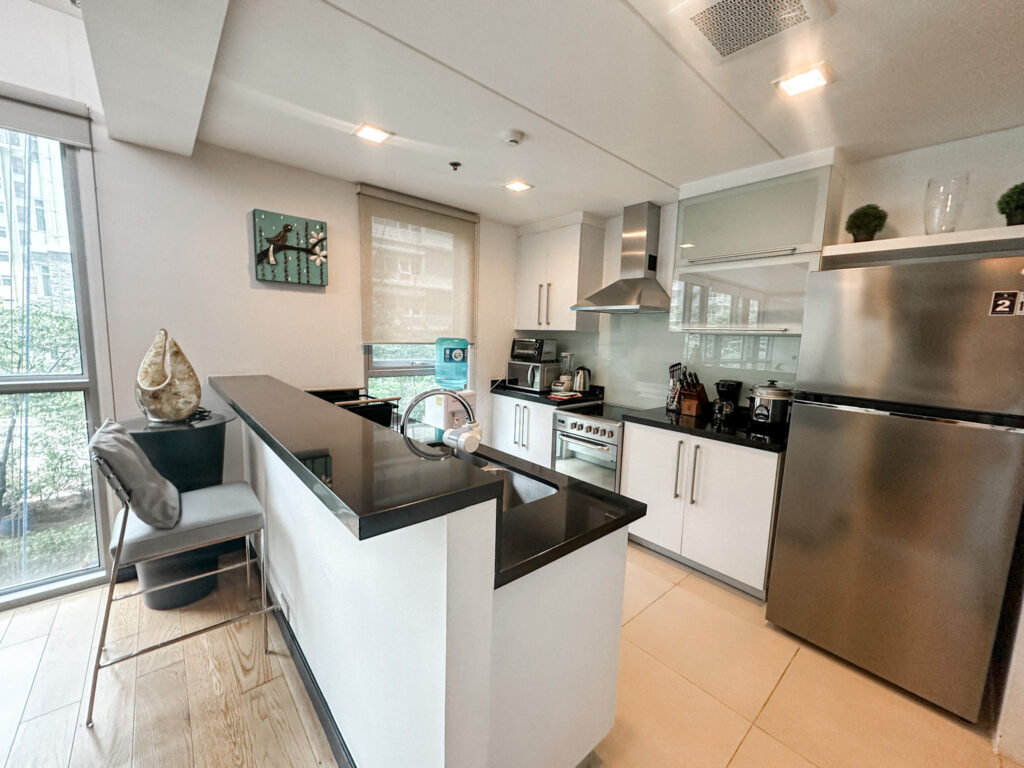
Have you ever stepped inside a home that immediately took your breath away?
The kind that makes you pause not because of its furniture or finishes, but because of how light fills the space.
There’s a reason buyers and renters are drawn to units with tall ceilings and floor-to-ceiling windows. They photograph beautifully, yes, but what makes them truly special goes far beyond aesthetics.
They change the way you live, the way you feel, and even how you value a space over time.
For developers, light is a premium feature. For homeowners, it’s a daily joy. And for those who’ve ever lived in a light-filled home, you know…it’s hard to go back.
The invisible luxury
Ask any architect or developer what makes a property “premium,” and natural light will always make the list. It’s the invisible luxury.
Unlike marble or imported fixtures, light doesn’t necessarily take up physical square footage, but it certainly adds presence. It expands the sense of space, enhances finishes, and gives a home its living rhythm. Afternoon light softens the edges of the room, making concrete glow and marble feel warm.
That’s why developers invest heavily in large glass panels, high ceilings, and smart orientations that maximize daylight. They know buyers instinctively associate light with openness, wellness, and calm.
When it comes to floor-to-ceiling windows, not only do they capture stunning views, they also have an effect on our psyche. Light signals freedom. It turns compact studios into spacious sanctuaries and average living rooms into something aspirational.
When you walk into a unit that feels expansive, it’s not necessarily the square meters you’re admiring. It’s how the light travels.
And that’s the magic. Good light sells before anything else does.
The lived experience
A light-filled home changes how you live without you realizing it.
You wake up easier. You linger longer in spaces you once overlooked. You notice the difference between 7 a.m. sunlight and 5 p.m. golden hour. You feel more connected to the passing of days.
During the lockdown, I discovered this truth firsthand. I lived in a big studio with no balcony and minimal furniture, but with one redeeming feature: full-height windows.
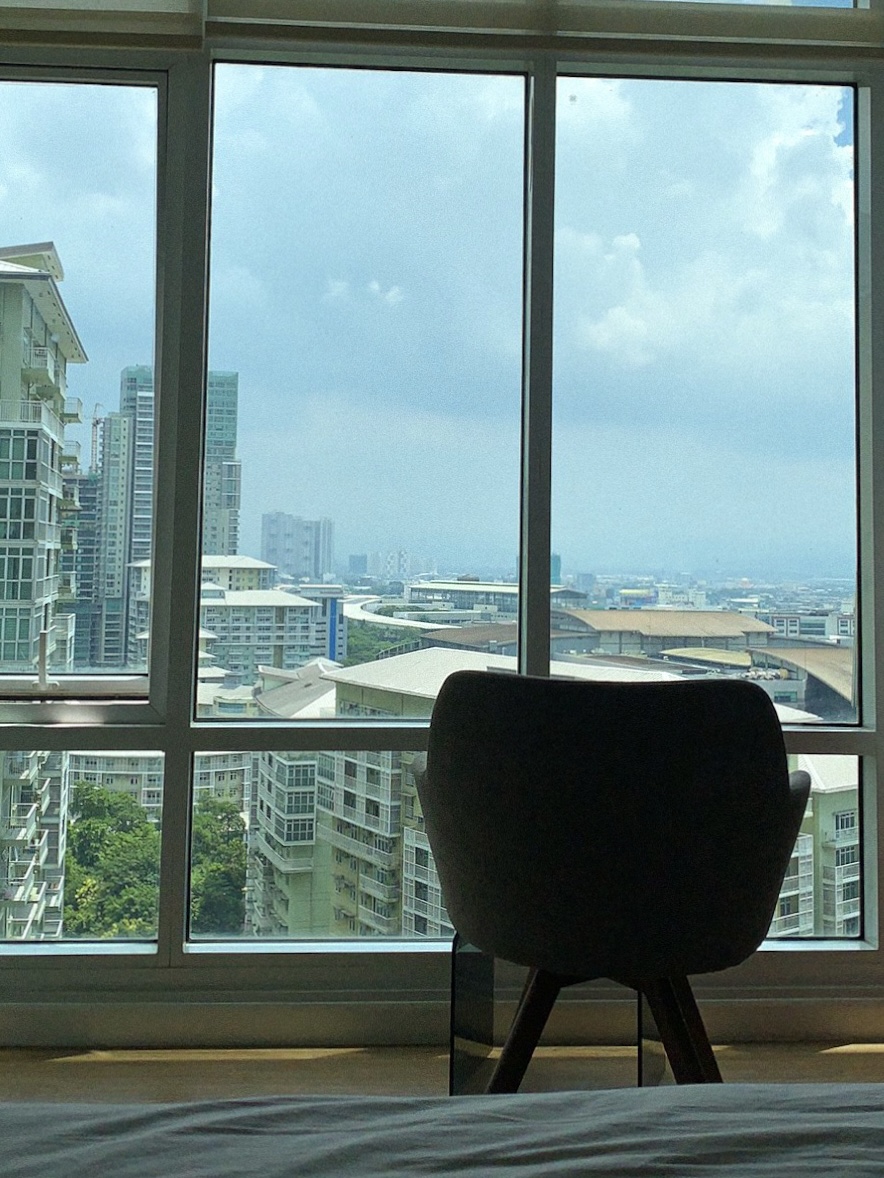
When the world outside felt closed off, those windows became my bond to the rest of the world. I rearranged the bed where instead of blocking the windows, it faced them, so I could wake up to the morning light. It was no longer just a place to sleep. It became a space to live in.
That’s what natural light does. It softens isolation, improves mood, and subtly expands your sense of possibility.
Studies show that homes with more daylight contribute to better sleep patterns, reduced stress, and higher productivity. But even without research, anyone who’s lived in a dim apartment knows the difference. A well-lit home reflects life.
The design advantage
Light doesn’t work alone. It collaborates with design.
Floor-to-ceiling windows frame cityscapes and greenery, but their effect depends on orientation, layout, and proportion. South-facing units capture consistent warmth throughout the day, while east-facing ones offer soft morning light perfect for early risers.
Designers often use light as a sculpting tool, how it falls on a wall, how it bounces off textured surfaces, how it defines space without partitions. In minimalist interiors, light creates the atmosphere that furniture alone cannot.
From an interior styling perspective, bright spaces are forgiving. They make small decor choices feel intentional. Plants thrive, colors look truer, and furniture lines appear sharper. It’s the kind of environment that flatters everything inside it, including you.
That’s why developers highlight window placement in premium projects. It’s why every photographer prefers shooting naturally lit units; artificial light can imitate brightness, but it can’t mimic atmosphere.
Most buyers can’t always articulate why they’re drawn to a particular unit, but they feel it. The way light moves through a space influences mood faster than any finish or layout can.
The investment perspective
Light-filled homes feel and perform better.
Units with generous windows command higher resale and rental value. They photograph well and attract more inquiries. For investors, that means stronger returns. For homeowners, it means stability and pride.
Developers understand this psychology. Premium projects in Makati, BGC, or Ortigas that emphasize large windows and open views often become sought-after addresses, not just for proximity, but because they project a sense of calm in the midst of density.
In our experience, listings with panoramic or light-filled photos generate higher inquiries, sometimes double compared to dimly lit units of the same size.
When buyers walk into these units, they imagine more than furniture placement. They imagine a lifestyle. A home where mornings begin with light and possibilities. Where work-from-home days feel less like confinement and more like retreat.
In a way, light becomes the property’s long-term currency. Trends in color or layout may shift, but timeless brightness never goes out of style.
What to consider when choosing a light-filled home
Light may be free, but capturing it well is an art. Not all bright spaces are created equal. Some feel warm and alive, others feel harsh or fleeting. The difference lies in how the space receives and manages that light throughout the day.
When choosing your next home or investment, pay attention to the practical elements that shape how light becomes both beautiful and livable.
1. Orientation and view
Spend five minutes in a room and you’ll know which direction it faces. East-facing units wake up with you, ideal for early risers who like gentle mornings. West-facing homes offer dramatic sunsets but need good ventilation. South-facing ones stay consistently bright, great for smaller units that need visual expansion.
2. Material and tone
Walls painted in warm neutrals absorb and soften sunlight; white walls bounce it back sharply. Matte finishes diffuse light more naturally than high-gloss ones. Pay attention to how the space feels at noon versus late afternoon; that tells you whether the brightness will soothe or overwhelm.
3. Window flexibility
Floor-to-ceiling glass is beautiful, but comfort is control. Check if the unit allows layered curtains or blinds so you can adjust for privacy and glare. UV or solar-gard films help preserve that openness while keeping interiors cool.
Modern developments now use double-glazed or low-emissivity glass to regulate temperature, reducing heat while keeping brightness. It’s one of those details you don’t notice until your electricity bill proves it matters.
4. Privacy and maintenance
Floor-to-ceiling glass brings views, but also exposure. If your windows face neighboring buildings, sheer curtains or tints can soften visibility while keeping the light intact. For high-rises, check how often façade cleaning is done. It makes a surprising difference in how ‘alive’ your view looks.
5. Ceiling height and proportion
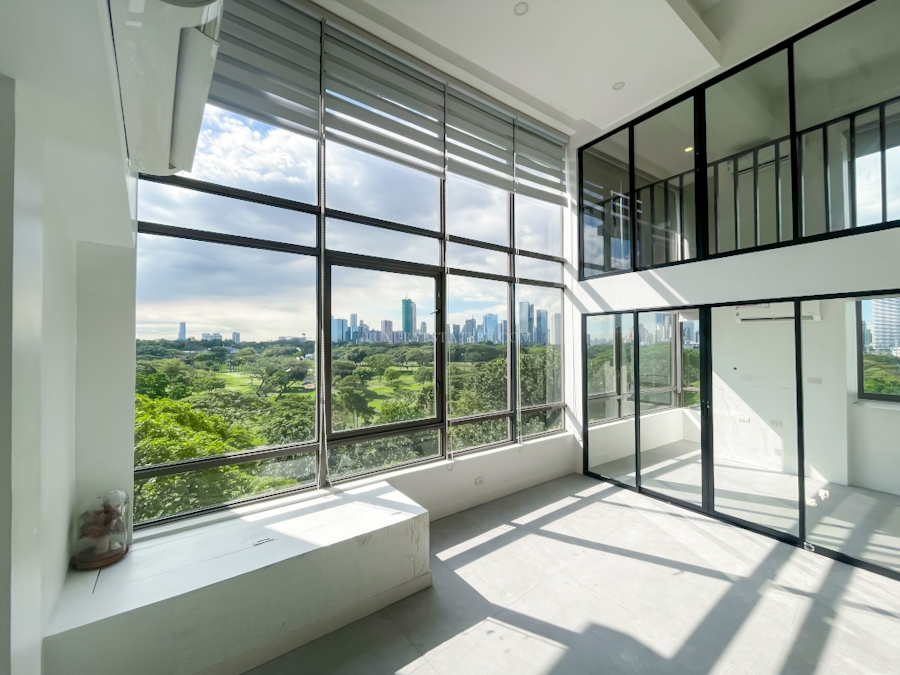
Volume changes everything. High ceilings let light travel and circulate; low ones can make even bright rooms feel boxed in. Lofts and corner units with vertical flow tend to age better visually and emotionally; they simply breathe more.
Finding (and selling) your light
If you own a home with tall windows and luminous views, consider it one of your strongest assets. It doesn’t age, doesn’t depend on trends, and always leaves a lasting impression.
At RARE, we’ve seen these kinds of homes attract more serious buyers. People respond to light, it’s emotional and universal. When a potential buyer steps into a bright, open space, it’s almost as if half the sale is already made.
If you’re fortunate enough to own one, showcase it well because homes like these shouldn’t stay on the market for long.

list WITH RARE
Thinking of selling your loft in BGC or Makati? We aim to connect motivated owners with serious buyers.
Our network is currently looking for fine properties just like yours. Let us walk through your property and show you how we can get it sold.
Ready to find your buyer?
Takeaway
Sunlight sells, but more importantly, it sustains.
Square meters might dictate price, but light dictates how we feel inside a space. It sets the tone for the mornings, defines how we unwind, and becomes the backdrop of our daily lives.
A light-filled home reminds you to live and to notice. To feel part of the day, every day.