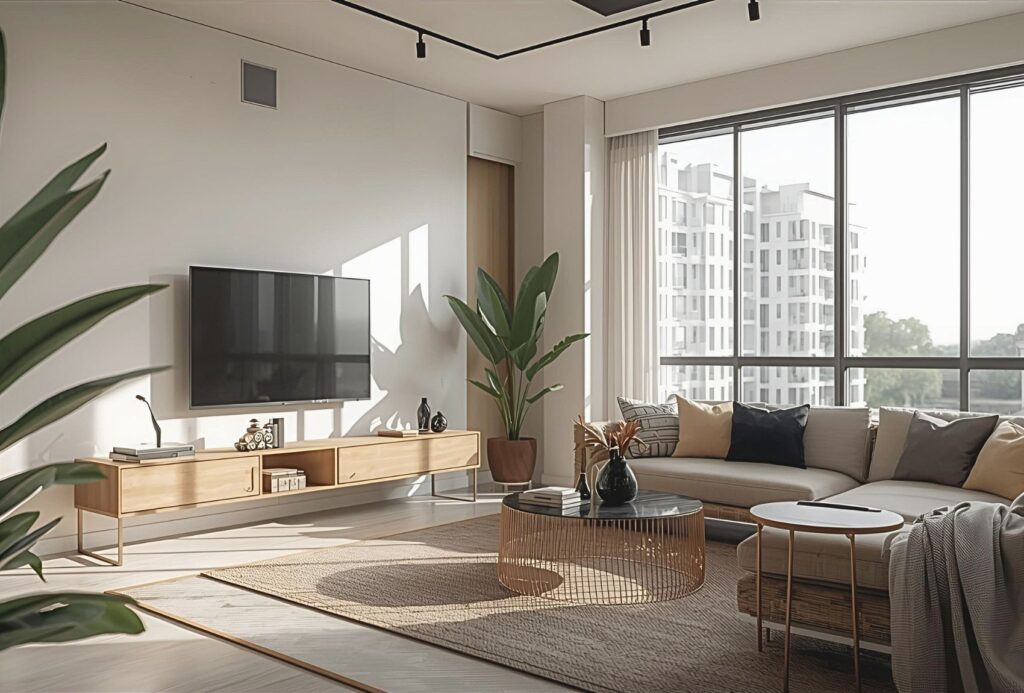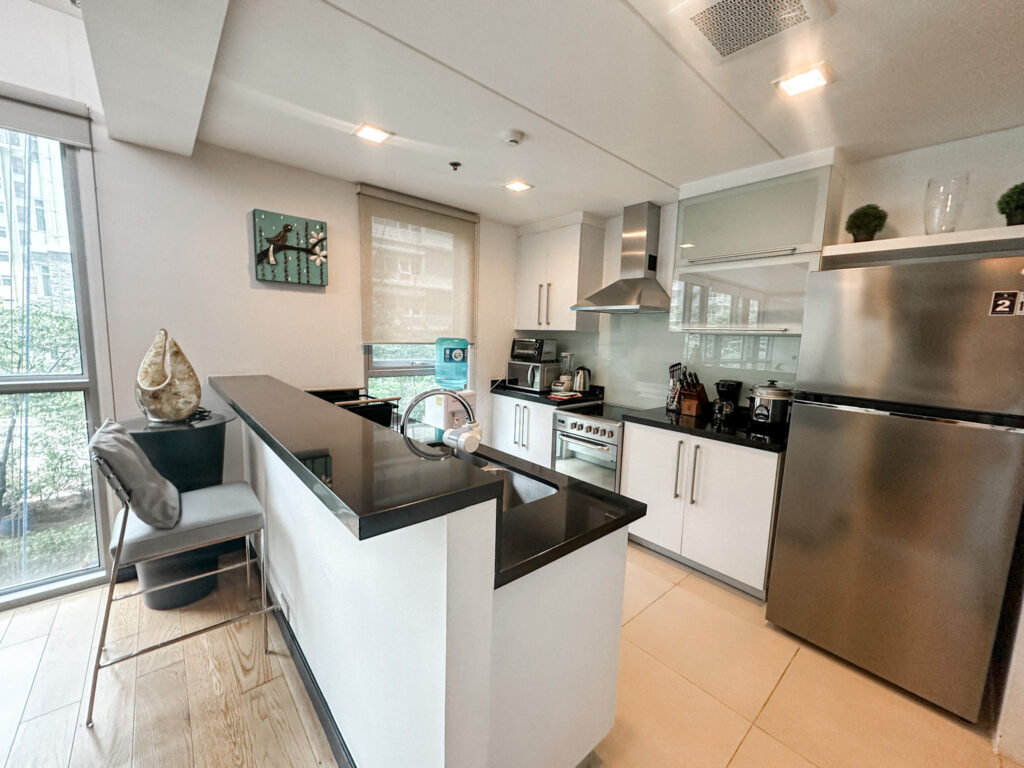
Minimalism looks different in the Philippines. With our warm light, compact homes, and busy city rhythm, a truly stylish minimalist space has to be more than white walls and empty floors. It has to be thoughtful and functional. Done right, it feels like stepping into a breath of fresh air.
If you’re designing a home that’s quietly elegant rather than loud, here’s how to build a minimalist space that’s simple, grounded, and beautifully warm.
1) Start with clarity: What do you really need?
Minimalism begins long before you buy furniture.
It starts with understanding how you actually live. Do you work from home? Cook often? Host friends? Need space for a pet? Your lifestyle sets the foundation.
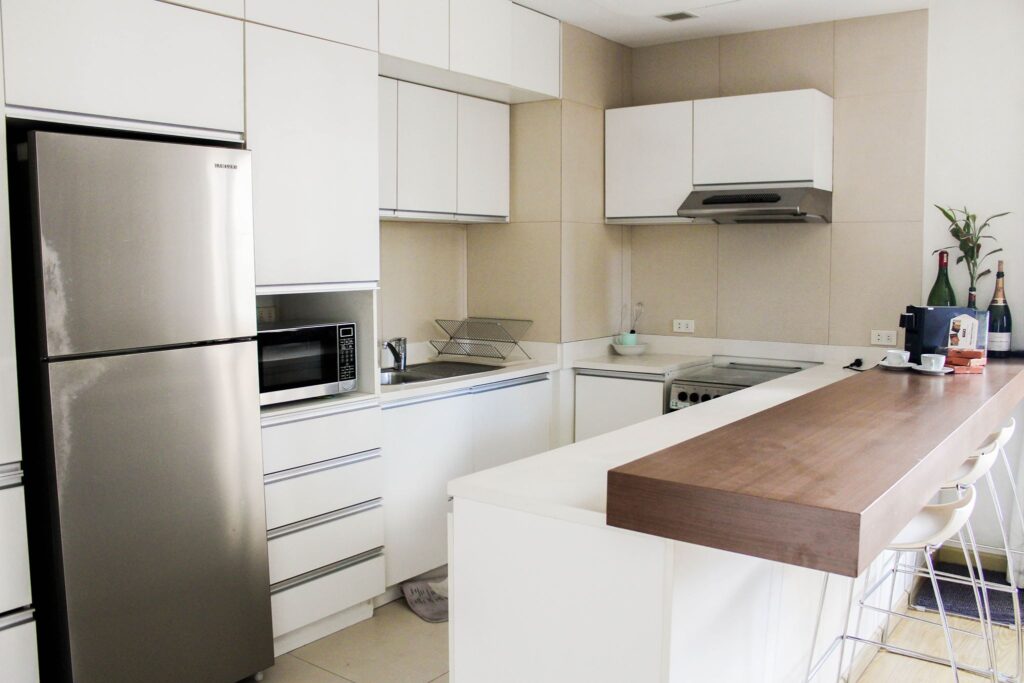
Filipino homes tend to accumulate things fast: paperwork, appliances, chargers, mail, pasalubong, and holiday décor. To keep your minimalist interiors from falling apart, put away items you don’t really need. Use built-in storage that blends with the walls, baskets that hide everyday essentials, and cabinets that keep counters clear. In condos, even one tall storage unit can transform the entire home by giving you somewhere to put things away.
Clutter is normal; seeing it everywhere is optional. If you have come to terms with the fact that you really have no use for an item, consider tossing or donating rather than storing it so it doesn’t accumulate webs and dirt. Have someone else enjoy the item and make the most out of it.
While most people think “minimalist” means empty, in practice, it means every item has a purpose. A sofa you sink into after a long day. A dining table that welcomes conversations. Storage that quietly hides the rest.
When you begin with clarity, the rest of the design process becomes surprisingly easy and almost intuitive.
2) Choose a palette that is light and grounding
One thing Filipino homes naturally have going for them: light. The combination of bright daylight and warm evenings works perfectly with minimalist interiors.
Start with grounding neutrals: white, cream, soft gray, sand, taupe. These tones open the room visually and highlight natural textures without fighting for attention.
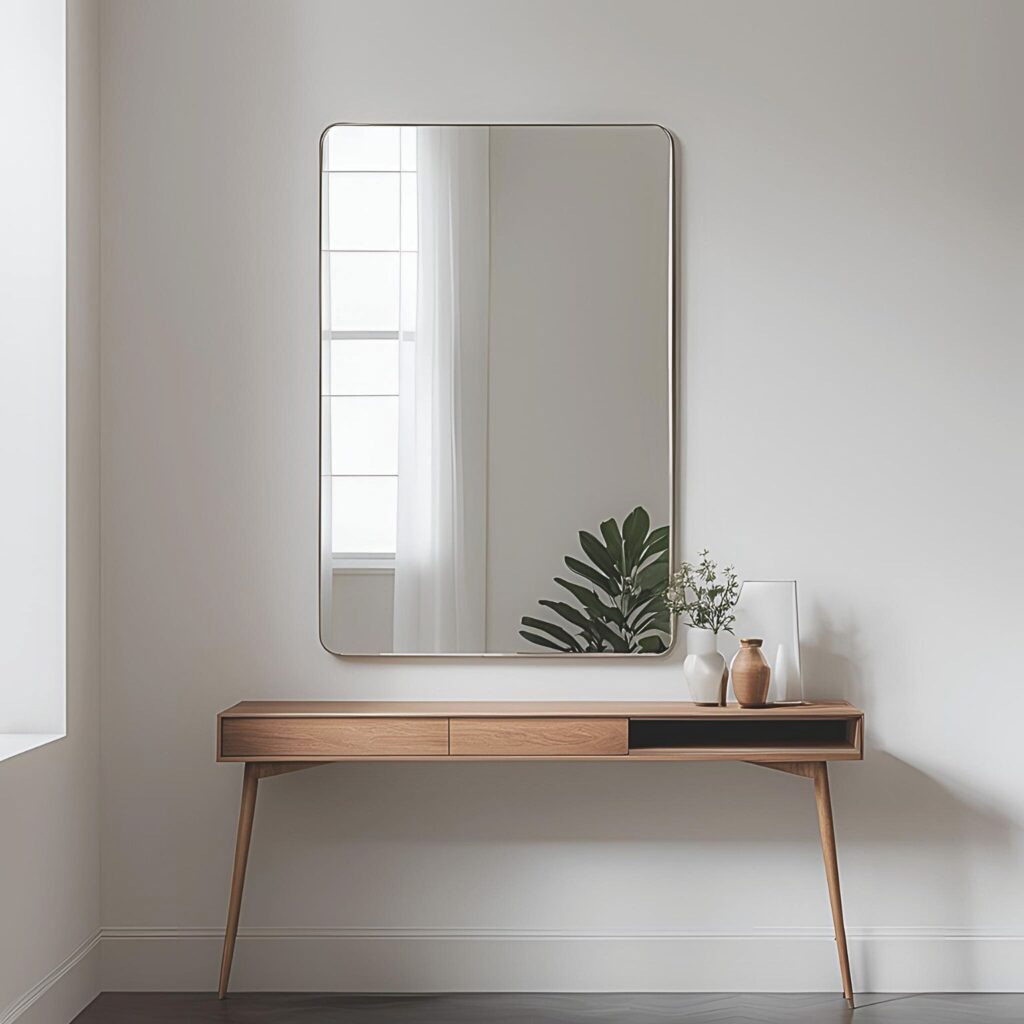
If you live in a condo, this helps the space feel bigger than it is. And when the sun hits your walls at the right hour, the room glows without you doing much.
Minimalism thrives on light, so incorporating natural light into the design can go a long way. Skip heavy curtains and opt for sheer fabrics that soften without blocking the sun. If your unit faces west (hello Manila sunsets), let that golden hour glow be a feature. If you’re in a north-facing unit, maximize brightness with mirrors or pale walls that bounce the light around.
READ: Advantages of Owning and Living in a Light-Filled Home
A minimalist home doesn’t rely on complicated lighting tricks. It simply embraces what’s already there.
But be mindful not to turn a minimalist home into a sterile one. A touch of wood, rattan, stone, or linen adds warmth and character. Think of it as your home whispering, not shouting.
3) Invest in fewer, better pieces
Instead of filling the room quickly, build it slowly and intentionally with pieces that age gracefully. A well-made sofa with clean lines. A dining table that ages beautifully. A statement lounge chair you’ll still love five years from now. An artwork you adore.
If you were to adopt one rule, it needs to be this: no décor without intention. Instead of ten small trinkets, choose one meaningful piece.
When your core pieces are strong, you don’t need many accessories because the furniture speaks for itself. Prioritize quality furniture over quantity, which is made of real wood, natural stone, full-grain leather, and durable fabrics. These materials patina beautifully and stay timeless regardless of design trends.
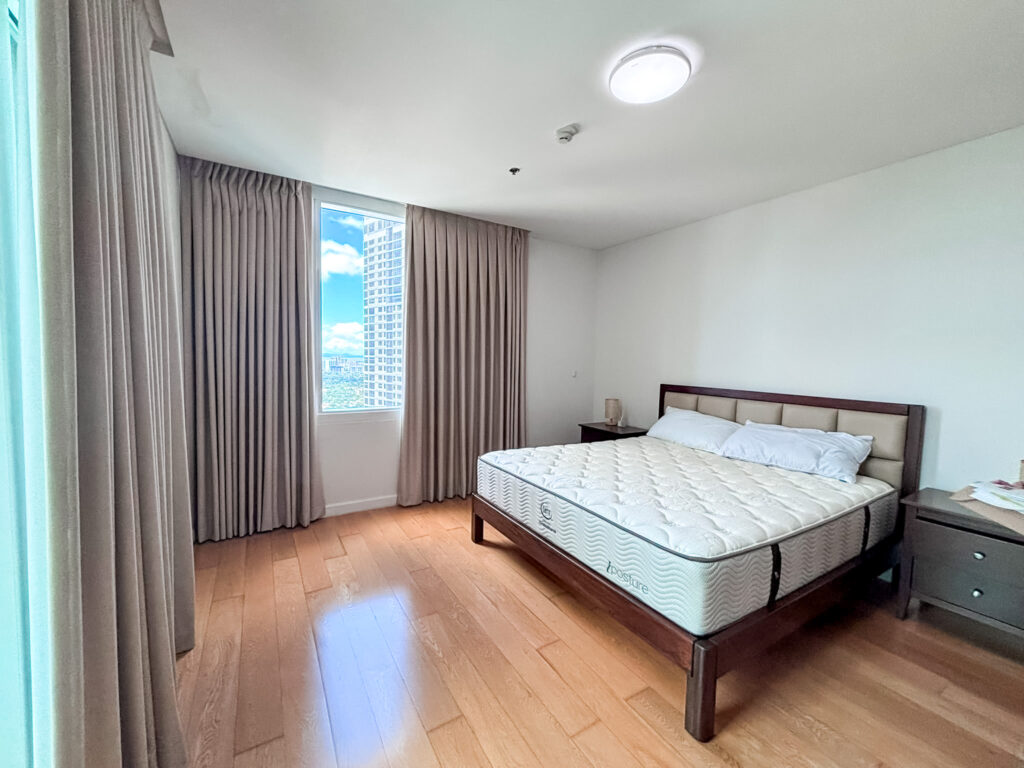
There are moments when many people make the mistake of trying to “complete the look” too fast. Take your time. Minimalist spaces grow better with patience; it’s a philosophy that gets richer over time.
One concept you can adapt is prioritizing multifunctional furniture. In the Philippines, especially in condos, space efficiency is everything.
The easiest way to stay minimalist without sacrificing function is through pieces that work twice as hard. Imagine a bench with hidden storage, a coffee table that expands, a bed with built-in drawers, and a console that doubles as a desk.
Your goal isn’t to hide your life but to create a space where it doesn’t look like a mess. When your home grows with you instead of aging against you, minimalism becomes effortless.
4) Keep design simple and functional
A stylish minimalist home has a visual rhythm: flowing lines, uninterrupted surfaces, open walkways. When arranging your furniture, leave space around each piece rather than pushing everything against the wall. That breathing room gives the home a quiet elegance that feels far more luxurious than filling every corner.
The rule is simple: if you bump into it or have to walk around it awkwardly, it doesn’t belong there.
That said, one common fear with minimalism is that the home will feel cold.
The solution? Incorporate texture to avoid the “too plain” look. Think linen sheets, woven rugs, matte ceramics, lightly grained wood, ribbed glass, concrete accents, and brushed metal. These add dimension without visual noise. Instead of decorating with many items, you “decorate” through the feel of the materials.
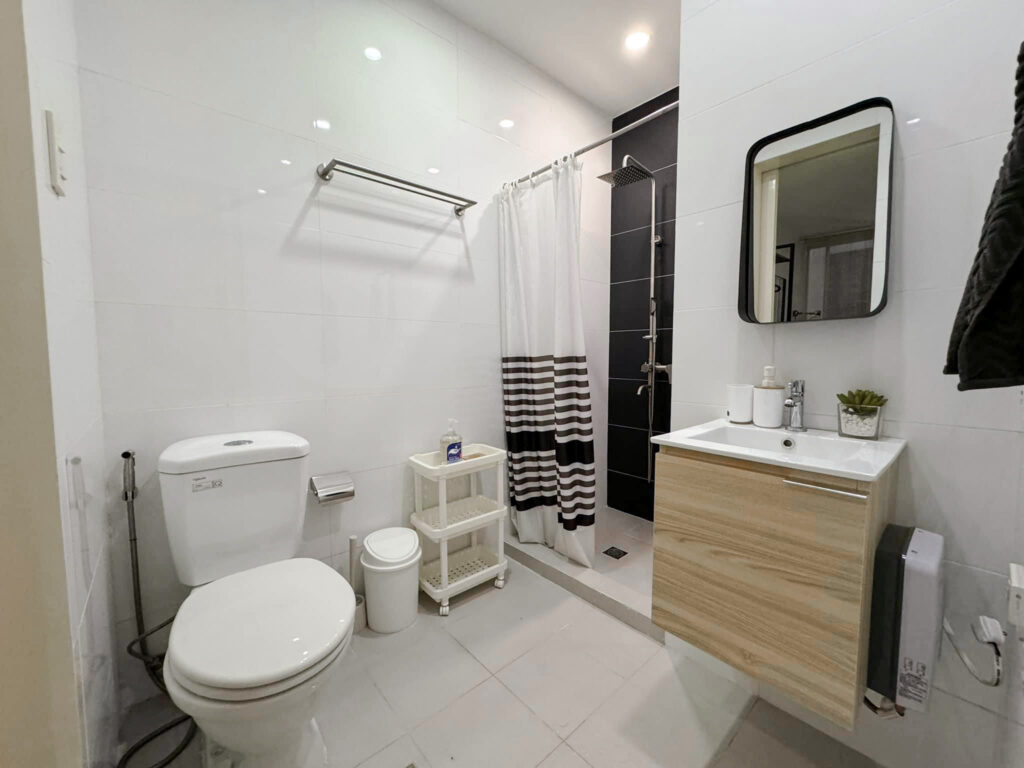
Plants also thrive in minimalist spaces. Create warmth with a single tall indoor tree or a lush tabletop plant; both add life and break the monotony without overwhelming the room.
This way, a minimalist home doesn’t feel empty; rather, it feels carefully curated.
5) Maintain and enjoy your space for what it is
A stylish minimalist home isn’t merely the absence of mess. It’s the presence of systems that keeps the mess from taking over.
Choose materials that are easy to clean. Layouts that don’t trap dust. Finishes that don’t require constant maintenance.
Create zones that serve a purpose, one that serves you instead of you serving it. Even if it’s a quiet spot designed for slowing down, the intentional areas of your home remind you why you gravitated toward simple living in the first place.
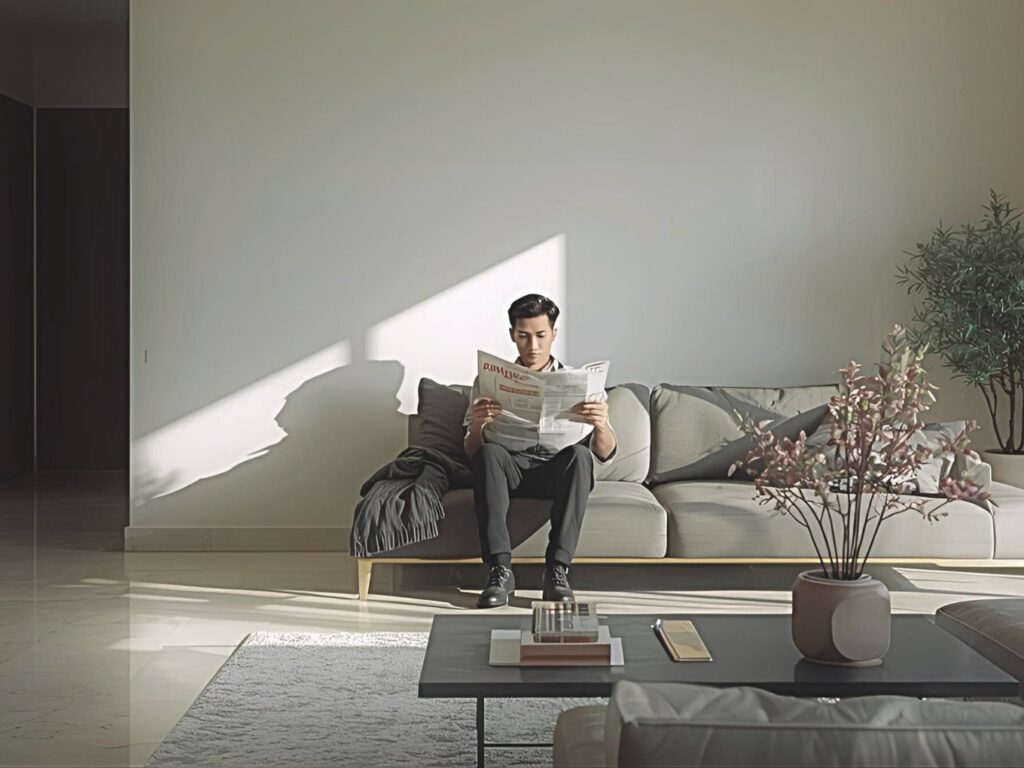
Remember, minimalism is never truly about the furniture. It’s about how the spaces make you feel, and how they support the kind of life you want. They’re lived in, not staged. They have personality, softness, and a quiet confidence. They feel intentional without feeling strict, spacious without being empty, and elegant without being cold.
When life moves fast, workdays are long, and cities are vibrant but overstimulating, a minimalist home becomes your anchor. A space that says, “You can slow down now”.
And that’s the real magic of minimalist living.