In real estate, value isn’t determined by price alone; it’s shaped by perception. One of the most effective ways to influence that perception, without structural renovations or heavy capital outlay, is home staging.
At its core, staging is about adding cost-effective amenities and improving the general cleanliness and condition of a home so that it presents at its best. It’s not about disguising flaws or over-designing a space. It’s about clarity, intention, and helping buyers or tenants understand how the home works for their lifestyle.
When a seller or landlord stages a home properly, one of two things usually happens:
- The property becomes more valuable compared to other homes within the same price range.
- The property moves up into the next price bracket, but positions itself as the most attractive option in that higher category.
Either outcome strengthens your negotiating position.
First impressions matter in real estate
As a seller or landlord, you only get one chance to make a first impression.
Buyers and tenants form opinions quickly, often within the first 15 seconds of entering a property. By the time they reach the living room or glance at the view, their internal decision-making process has already begun.
Industry data consistently shows that staged homes sell faster than non-staged ones, often in nearly half the time. But speed isn’t the only advantage. Staging also affects how confidently a buyer engages with the price, the terms, and the overall value of the property.
To understand why staging works, it helps to look at what buyers actually evaluate when viewing a home.
Key Property Criteria for Buyers
Some aspects of a property are fixed, while others are flexible. Buyers subconsciously weigh these elements as they walk through a space:
| Location | Cannot be changed |
| Size | Difficult and costly to change |
| Amenities | Can be improved or enhanced |
| Condition and appearance | Can be significantly improved, often at minimal cost |
Staging focuses on the last two categories. While you can’t move a property or add square meters overnight, you can control how well the space functions, how clean it feels, and how easy it is to imagine living there.
A Practical Guide to Home Staging
Home staging is the process of cleaning, tidying, and decluttering a property in preparation for professional photography and viewings. Homes that are clean, orderly, and visually calm consistently perform better in listing photos, attract more qualified interest, and achieve stronger price outcomes.
Below is a practical, room-by-room guide designed to help properties show at their best, without unnecessary styling or over-preparation.
Preparing the Exterior
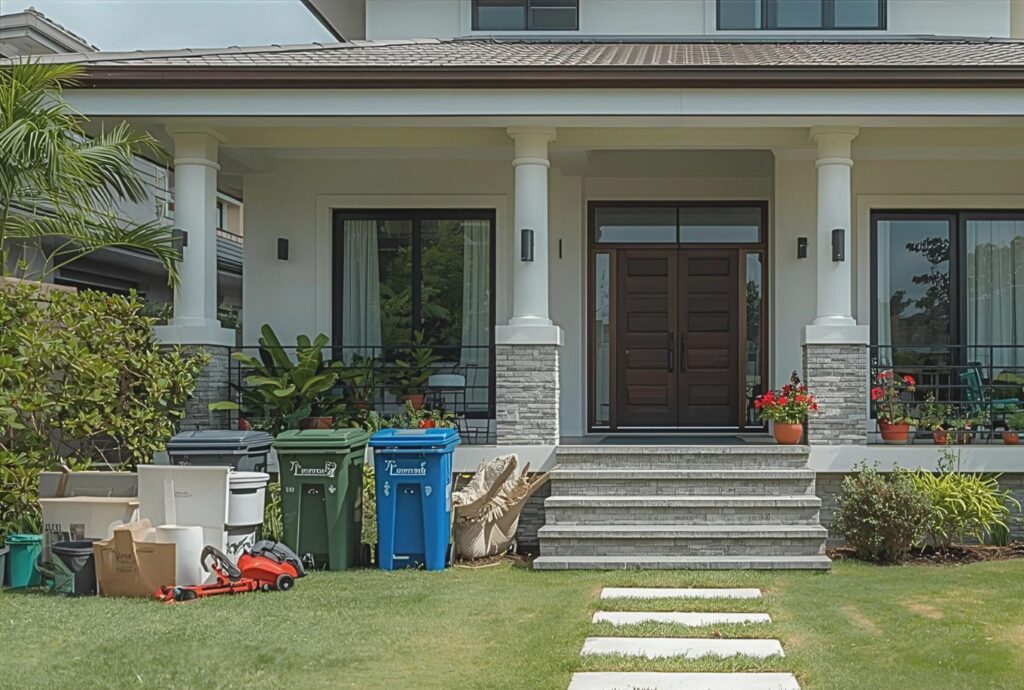
The exterior sets expectations before a buyer even steps inside. Whether it’s a house, townhouse, or ground-level unit, curb appeal matters.
Start by clearing the space. Vehicles should be removed from the driveway or carport. Bins, tools, and outdoor clutter should be stored out of sight. Dead plants, fallen leaves, and overgrown grass should be cleared, and lawns freshly mowed where applicable.
Doors, windows, patios, and outdoor furniture benefit from a quick clean. Even small details (like dusty window panes or stained tiles) can subtly suggest neglect. Finally, ensure all doors and windows are closed before photography to create a composed, finished look.
Preparing Reception Rooms and Bedrooms
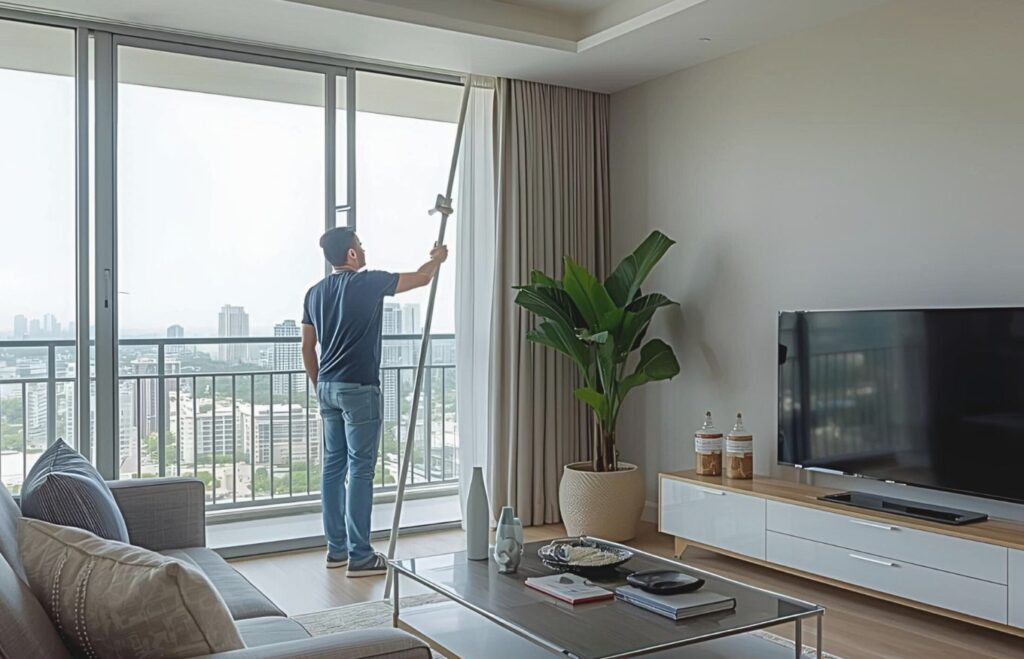
Living areas and bedrooms should feel open, neutral, and easy to imagine occupying.
Natural light plays a major role here. Curtains and blinds should be opened to let daylight in. Beds should be made properly, not just straightened, and cushions plumped to give sofas and chairs structure.
READ: Advantages of Owning and Living in a Light-Filled Home
Clutter is the most common issue in these spaces. Items stored under beds, piles of magazines, visible toys, and excess furniture can make rooms feel smaller than they are. Cupboards and drawers should be closed, televisions turned off, and everyday objects like remote controls placed out of sight.
The goal is not to erase personality, but to reduce visual noise.
Preparing the Kitchen
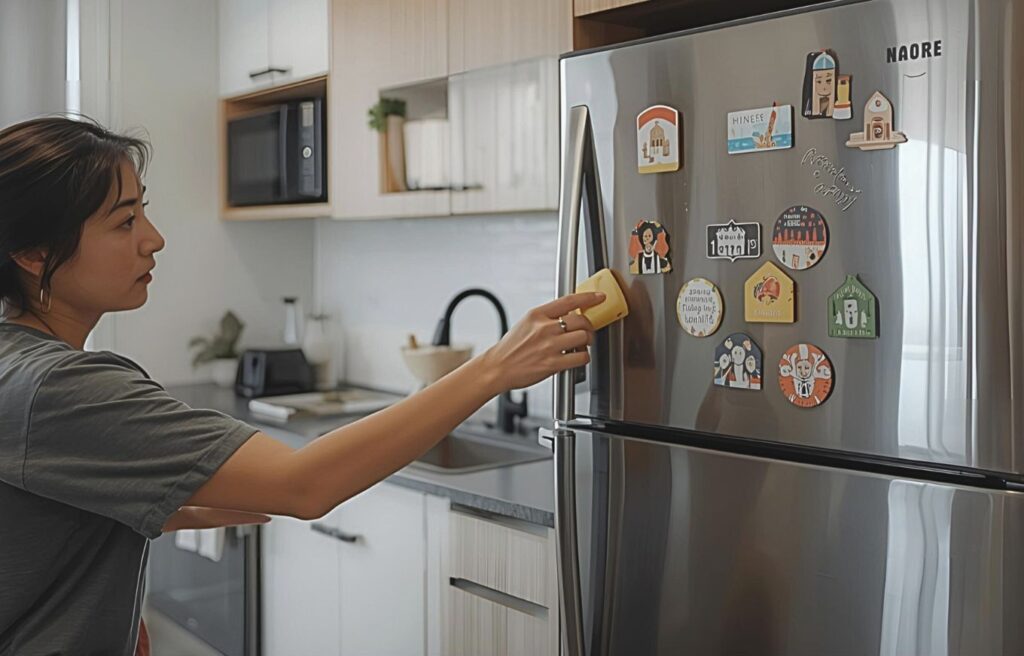
Kitchens are emotional spaces. Buyers don’t just assess functionality; they imagine daily routines.
Clear countertops as much as possible and ensure sinks are empty and clean. Towels, utensils, oven gloves, and dish racks should be stored away. Bins, pet bowls, and pet bedding should be removed from view during photography and inspections.
Fridge magnets, notes, and personal reminders should also be removed. These details may feel small, but they visually anchor the space to the current occupant rather than the future one.
Closed cupboards and clean surfaces help the kitchen feel larger, calmer, and more intentional.
Preparing Bathrooms
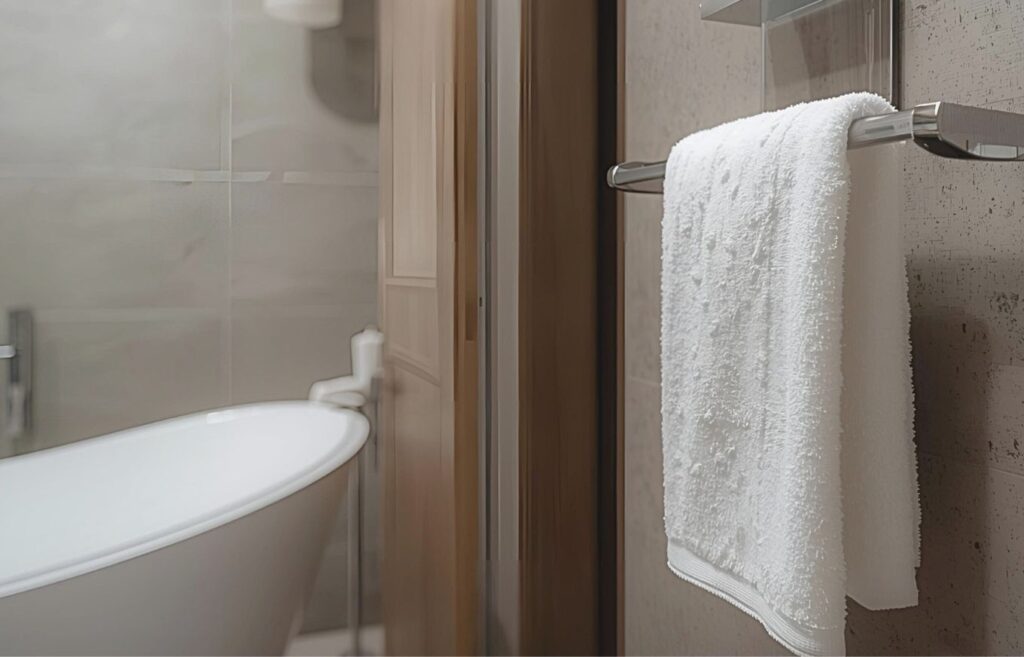
Bathrooms should communicate cleanliness above all else.
Countertops should be cleared of bottles, personal care items, and excess accessories. Shower curtains should be pulled back to show space and fixtures. Bright or printed towels are best removed entirely for photography, as they often distract from the room’s lines and finishes.
Toilet lids should be closed, and toilet paper and brushes should be present but discreet. These details signal care and readiness without drawing attention.
Staging During Holidays and Special Occasions

Seasonal décor can unintentionally date a listing.
To keep marketing materials evergreen, it’s best to minimize or remove decorations during photo shoots, whether for Christmas, Halloween, Easter, or birthdays. While festive touches can feel warm in person, they limit how long images can be used and make it harder for buyers to imagine the home year-round.
If seasonal décor is captured in photos, it cannot always be removed during enhancement, so planning ahead is essential.
Impact of Staging vs. Not Staging in Real Estate
The goal of staging is not necessarily perfection, rather, it’s about positioning. In competitive markets, especially within Metro Manila’s prime residential areas, small differences in presentation can significantly influence outcomes.
The Power of Staging
A staged home creates a clear visual narrative. It allows buyers to understand how spaces function, how rooms connect, and how their lifestyle could fit within the property.
Professionally staged homes often feel more inviting and polished, which encourages longer viewings and stronger emotional engagement. This emotional connection plays a key role in decision-making, especially when buyers are choosing between similar properties.
Staged homes also tend to sell faster. When buyers can easily see a home’s potential, hesitation decreases. Fewer questions lead to quicker decisions and, often, cleaner negotiations.
Price is another factor. Homes that appear move-in ready and well-maintained typically command stronger offers. Buyers are more willing to meet asking prices when they don’t mentally subtract for perceived work or inconvenience.
Finally, staging highlights strengths. Whether it’s natural light, ceiling height, layout flow, or a well-designed kitchen, staging directs attention to what works, while subtly minimizing less desirable elements.
The Reality of Not Staging
Unstaged homes face a different set of challenges.
First impressions may fall flat if rooms feel cluttered, dated, or empty. Buyers often struggle to visualize how a space functions when distracted by personal items or overwhelmed by blank rooms.
These properties tend to remain on the market longer. Extended listing periods can lead to price adjustments, reduced urgency, and weaker negotiating leverage.
Without staging, buyers may also submit lower offers. A home that feels unfinished or poorly presented often triggers assumptions about maintenance or hidden costs, even when those assumptions aren’t accurate.
Important features can also be overlooked. Architectural details, layout advantages, or premium finishes lose impact when surrounded by clutter or poor furniture placement.
Perhaps most importantly, unstaged homes struggle to create emotional connection. And in real estate, emotion drives action.
Home Staging Frequently Asked Questions
Final thoughts
Staging isn’t about transforming a home into something it isn’t. It’s about presenting it clearly, confidently, and honestly—so buyers and tenants can immediately understand its value.
In a market where location and size may be fixed, presentation becomes your strongest variable. Done well, staging shortens timelines, strengthens pricing, and improves overall outcomes.
At RARE Properties , we view staging as part of a broader strategy, one that aligns marketing, pricing, and buyer psychology. Because the right preparation doesn’t just make a home look good. It helps it move forward.
If you’re preparing to sell or lease and want guidance on positioning your property effectively, we’re here to help with your long-term value in mind. [Contact RARE today]