
Most people who plan a move to the Philippines do their research. They hear about the traffic. They have read about Filipino time. They have seen the weather warnings. They soon find that the property search takes longer than they thought.
That said, the gap between knowing something intellectually and understanding it in your body after six months of daily life here is exactly where most relocation decisions go wrong.
This is not a warning. Manila is extraordinary and the life you can build here is genuinely worth the effort. But the people who build it well are the ones who came in with a vivid picture of what they were walking into. So here is that picture.
1. Traffic may cost you opportunities you didn’t see coming
The traffic is not just an inconvenience you factor into your morning. It becomes a force that quietly shapes your decisions, your relationships, and eventually your sense of self in ways you do not see coming until they are already happening.
Say, you have a meeting at 10am in Makati. You leave at 8:30. You arrive at 10:15. The meeting goes fine but you spend the rest of it calculating whether you can make the next one. You cannot. The person on the other end says it is fine, but something shifts in how they say it.
This happens once and it is a bad day. It happens three times a week and it becomes your life.
The professionals who relocate here and hit the ground running are almost always the ones who made one decision correctly at the start. They chose where to live based on how they actually spend their days, not based on what looked impressive in a listing photo or what their cousin recommended because it was nice when they visited in 2018.
That decision looks different for everyone. For the executive who needs to be client-facing in BGC five days a week, it means living inside or immediately adjacent to the grid, somewhere walkable enough that traffic becomes largely irrelevant to the daily routine.
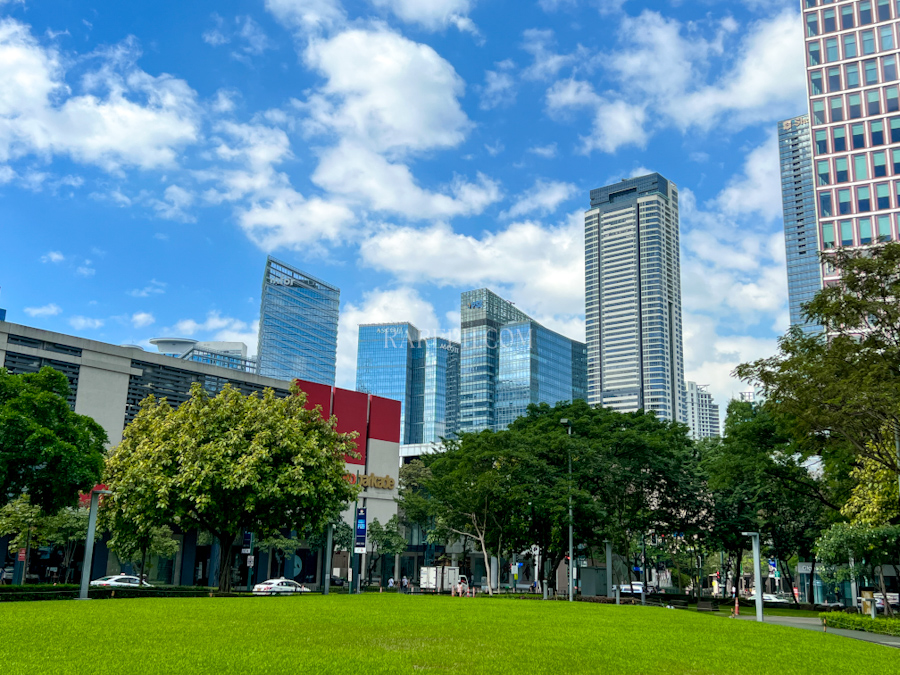
READ: Why more locals and expats are choosing to live in BGC
For the entrepreneur running a business from home with occasional meetings across the metro, it might mean trading proximity for space, choosing somewhere like Alabang or the south corridor where the drive to the city is predictable enough to plan around.
For the family relocating with children in school, it means mapping the school run first and building everything else outward from there.
None of these answers are wrong. But all of them require knowing how you actually want to live before you start looking at properties. The mistake most buyers make is falling in love with a unit first and then trying to make their life fit around it. Manila traffic may not forgive that approach.
2. “Filipino time” may give you anxiety
There is a version of this conversation that gets told as a joke at expat dinners. Someone shares a story about waiting two hours for a contractor who texted “on the way” at the scheduled start time and nobody at the table is surprised. Everyone laughs. Everyone has the same story.
What does not get talked about as often is what it actually costs you in the early months before you have recalibrated.
The anxiety is real, and it is specific. It is not the big delays that get to you. It is the accumulation of small ones. The internet installation that was supposed to take two days and took two weeks. The building maintenance request that got logged and then quietly forgotten. The utility transfer that nobody told you required an in-person visit, then another one, then a third because the paperwork from the second visit had an error.
None of this is malicious. The pace of daily administration here moves within a cultural framework that simply does not treat time the way most Western or East Asian systems do. Understanding that early, genuinely understanding it rather than just tolerating it, changes everything about how you experience the first year.
What also changes it is the building or neighborhood you choose to live in. This is something most buyers do not think to ask about, and it matters enormously.
A professionally managed property with an established team, vetted vendors, and clear maintenance protocols operates in a different reality from one that relies on a building admin who juggles everything alone. The gap between the two is not always visible during a property viewing. It shows up the first time something goes wrong and you find out how long the wait actually is.
Before you sign anything, ask who manages the building day to day. Ask how long they have been doing it. And if you have the means to, ask a current resident about their personal experience.
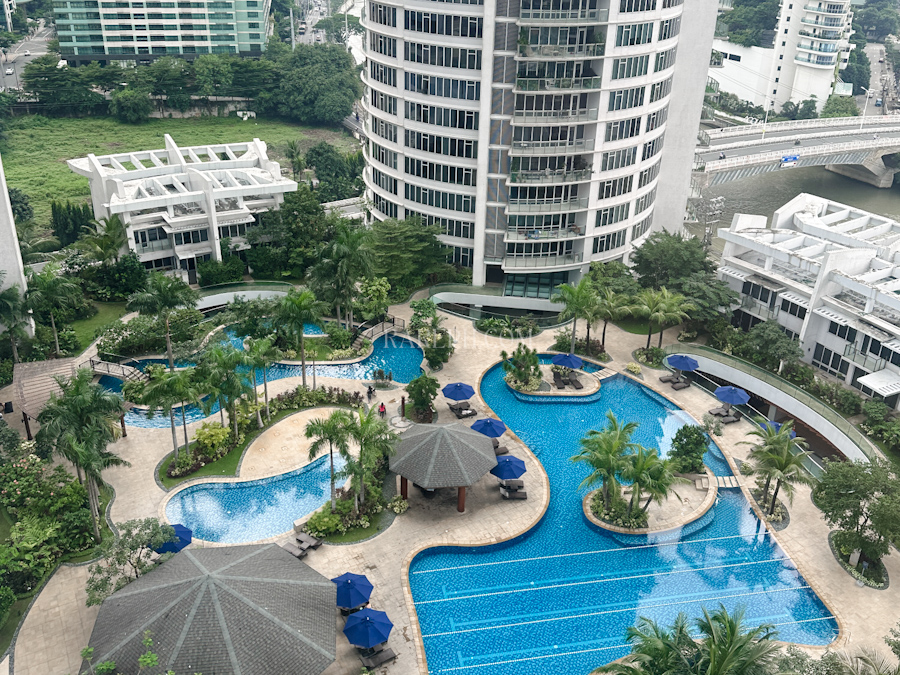
READ: Rockwell vs. BGC: What It Feels Like to Live in Rockwell Makati
3. Dry and wet weather may limit the outdoor life you imagined
Everyone who has ever considered moving to the Philippines has a version of the life they are picturing. Morning walks before the heat sets in. Weekends at the beach a short drive away. Dinners that spill out onto an open terrace because the evening is warm and the company is good and there is nowhere else you would rather be.
That life is real and people live it here. But it requires a home that was built for the climate, and most buyers do not realize how much that matters until they are already living somewhere that wasn’t.
The Philippines has two seasons and neither of them is forgiving. The dry season runs from roughly December through May and by March it is hot enough that stepping outside between ten in the morning and four in the afternoon feels less like a choice and more like a consequence. The wet season brings rain that arrives without a formal announcement and in certain parts of Metro Manila, flooding that can turn a regular Tuesday into something you were not prepared for.
The communities that hold up best through both seasons share a few things. Elevation matters more than most buyers realize, and it is one of the first things worth checking before falling in love with a view.
Nuvali in Laguna sits at a height that genuinely changes how the air feels the moment you turn off the highway, cooler, cleaner, easier to breathe, and it was designed around its lake and open landscape in a way that gives residents actual outdoor living rather than the decorative kind.
Susana Heights in Muntinlupa carries that same sense of considered space, generous lots, tree-lined streets, and a topography that drains well because it was part of the plan from the beginning.
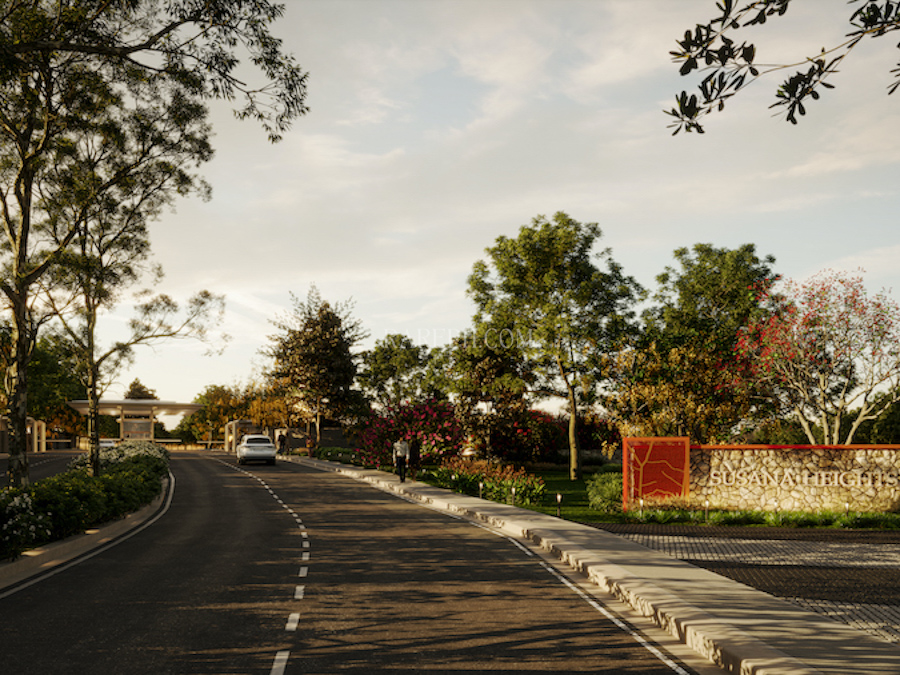
READ: Susana Heights is the Epitome of Quiet Luxury and Here’s Why
4. The crowd may overwhelm you
Metro Manila is home to more than thirteen million people and the density is something you feel in your body before you can put words to it. You feel it in the grocery on a Saturday afternoon, in the elevator of a building that was sold as boutique and somehow has four hundred units, at the restaurant where the tables are close enough that you are essentially dining with strangers whether you intended to or not.
For some people this energy is exactly what they came for. The city is alive in a way that is genuinely intoxicating and there are residents who have been here for decades and still find it invigorating.
For others, and this group is larger than anyone admits, it accumulates. Not dramatically. Not in a way that makes you want to leave. But quietly, steadily, in the form of a low-grade exhaustion that you cannot quite locate the source of until you spend a weekend somewhere quieter and realize how much you needed it.
The answer is not always moving further out. Sometimes it is simply choosing a building that gives you somewhere to decompress without leaving it. A development with real amenity space, a pool that does not feel like a public beach on weekends, a gym that has enough equipment for the number of residents using it, common areas that were designed for actual use rather than for the brochure. These things sound like preferences. In a city this dense they function more like necessities.
The village matters too. There is a reason that addresses like Ayala Alabang have retained their appeal across generations of residents. The streets are wide enough to walk. The greenery is real. The sense of being inside something considered and maintained gives daily life a quality that is genuinely hard to replicate once you have experienced it. The crowd is still there, just at the right distance.
5. Your ideal home may never appear in your search results
The Philippines does not operate on a centralized multiple listing system (MLS) the way most Western markets do. What you find on consumer platforms is a version of the market and it is not always the most complete one.
The properties that tend to move well, in the right villages, in buildings with strong management and a community worth being part of, may change hands before they are ever widely marketed. A unit in a well-run building in Makati or BGC that comes available through a trusted network will be seen, considered, and often committed to by buyers who already have a relationship with someone on the ground, even if it reaches a listing platform. By the time it appears on Lamudi, it is often because it did not move through those channels first, which is sometimes a detail worth paying attention to.
This is where working with the right agent makes all the difference. Not the one with the biggest ad budget, but the one who knows the neighborhood well enough to tell you what sold six months ago and at what price, who has relationships inside the buildings worth being in, and who puts in the work because their name is attached to every transaction they make. In a market without an MLS, that knowledge and that network is the closest thing to an edge a buyer can have.
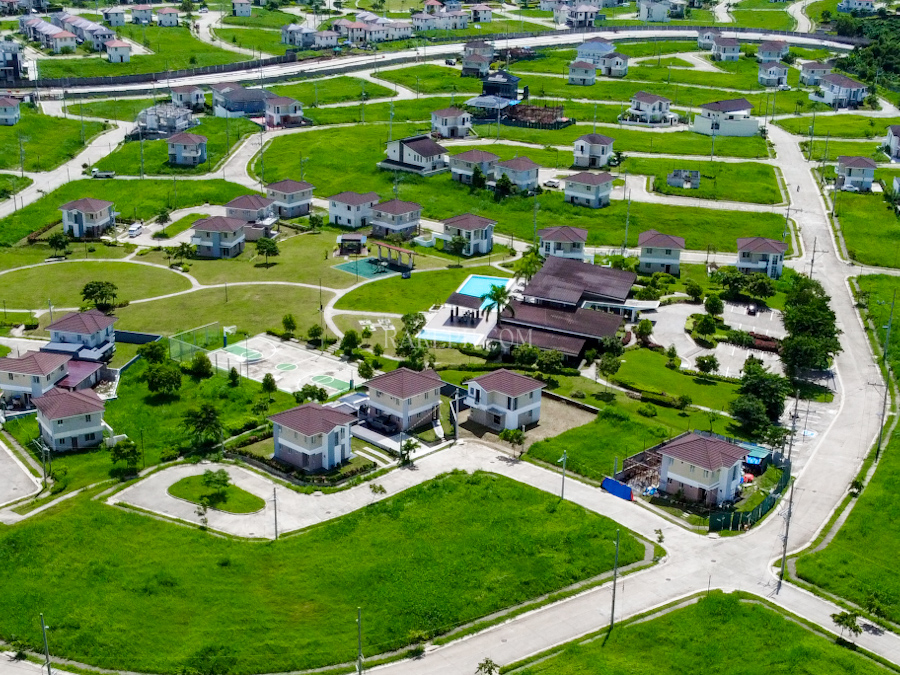
READ: The Real Reason Young Families Are Moving to Nuvali
Takeaway
Anyone who has lived in Manila knows the things on this list are just the reality. And if you are thinking of buying property here, or you have been putting it off, this one is for you.
You cannot negotiate with traffic. You cannot rush Filipino time. You cannot turn down the heat.
But what most people get wrong is jumping straight to location because of familiarity when they have not even figured out how they want to live yet. The neighborhood you choose should be built around your lifestyle. And when you get that right, these things may no longer overtake your life.
RARE Properties works with buyers from the earliest stage of that process. Lifestyle and location consultation, property identification, due diligence, and through to handover.
Get in touch to start the conversation.