Selling a condo unit in the Philippines involves several steps that require thorough preparation and understanding of the real estate market and local procedures.
Whether you’re a first-time seller or an experienced real estate investor, knowing the process can help expedite the sale and ensure a legally sound and profitable transaction.
This guide walks you through each step clearly and practically toward a successful transaction in the Philippine condominium market.
Step 1: Prepare the Condo for Sale
Imagine walking into a space that feels like a breath of fresh air, a blank canvas where dreams can take shape. That’s the feeling you want to evoke in potential buyers when they first step into your condo.
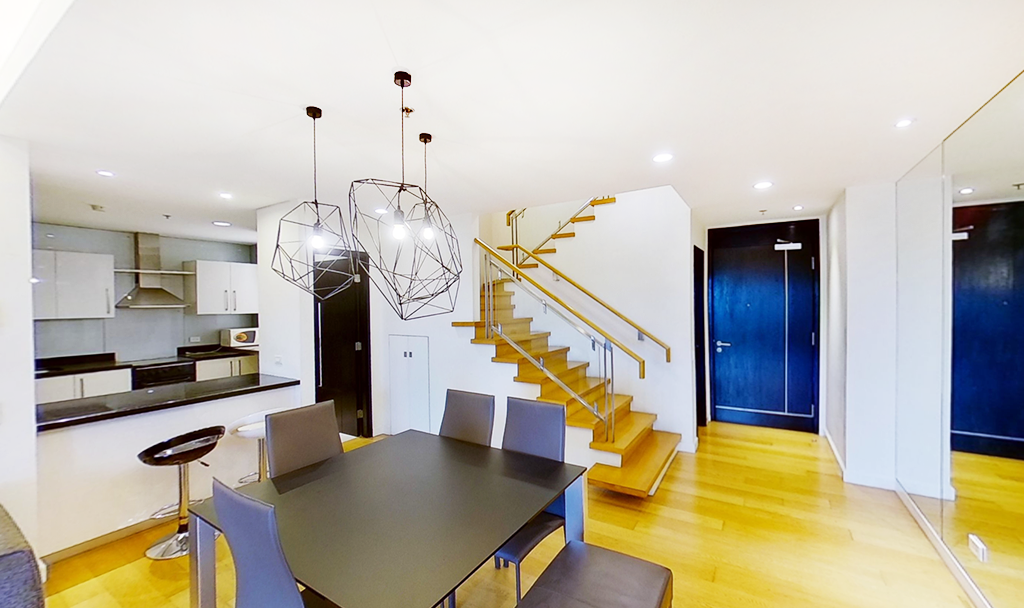
When you ready the unit that looks like it can be moved into any time, you can create that inviting atmosphere that might just seal the deal. Below are some tips:
Declutter and Clean: Before anything else, prepare your condo for potential buyers. Clean it thoroughly, declutter, and depersonalize the space to help buyers envision themselves living there.
Repair and Renovate: Address any repairs, and consider minor renovations that could increase the property’s market value. Fresh paint, updated fixtures, and well-maintained amenities can instantly make the space look more cared for.
Stage the Unit: If possible, add light décor or minimal furniture to highlight the best features of the space. Professionally staged units often feel more spacious and inviting, making them more memorable during showings, which can then lead to higher offers and quicker sales.
READ MORE: What You Need Know About Staging Your Home
Step 2: Determine the Market Value
Seasoned investors often say, “You make your money when you buy, not when you sell.” However, pricing your condo correctly is the strategic climax of that investment.
Just like a well-aimed dart, a correctly priced condo is more likely to hit the bullseye of the real estate market, attracting the right buyers quickly and efficiently. Here’s what you can do:
Research the Market: Look at comparable sales in your area and understand the current real estate trends. Ask your neighbors or condo if they have knowledge about recently concluded transactions in the building.
In addition, online listing platforms can be a handy source for researching properties being sold in the market that are similar to yours. Some of the popular real estate marketplace websites in the Philippines are:
Get a Professional Opinion: Hire a real estate agent, broker, or appraiser to help determine the current market value of your property. They can provide you with a comparative market analysis and suggested selling price.
RELATED: What the best real estate agents really do for you
Clarify Your Selling Objective: It’s important to align your pricing strategy with your personal goals for the sale. If you want a fast sale, price competitively. If you’re aiming for maximum profit, ensure the unit is well-presented and be ready for a slightly longer waiting period.
Key Factors Influencing Your Property’s Value and Sale Time
Everyone wants to know: How long will it take my home to sell? By recognizing the key factors influencing a sale, some you control and some you don’t, you can gain significant control over your market time.
Here is a breakdown of the variables that determine your property’s value and market appeal:
| Factors You DON’T Control | Factors You DO Control |
| ☓ LOCATION The single greatest factor affecting value. Determines baseline price. | ✓ PROPERTY CONDITION Directly affects sale price and whether the home sells at all. |
| ☓ COMPETITION Your property is compared to others for sale. Must offer the best perceived value. | ✓ AVAILABILITY FOR SHOWING Easy access leads to more buyer interest and faster offers. |
| ☓ MARKET CONDITIONS Whether it’s a Seller’s, Buyer’s, or Balanced Market. Influences overall demand. | ✓ TERMS Flexible closing dates and favorable terms widen buyer appeal. |
| ✓ LIST PRICE The most important factor. “Price overcomes all objections.” |
The reality is that some elements are fixed, but the power is still in your hands. While you can’t change the address, you can change the perception of value.
Focus on what you control! By properly staging your condo, making it easily available for showings, offering appealing terms, and, most importantly, setting a competitive and realistic list price, you directly influence the speed and success of your sale.
Step 3: Handle the Documentary Requirements
Properly managing your property’s documentation is essential for a seamless transaction process. This step ensures that all legal and financial aspects of the property are clear and transparent, which helps in avoiding delays and complications. Pay close attention to the following key documents:
Ownership Documents: Gather all the essential documents, including:
- Original and Certified True Copy of Condominium Certificate of Title (CCT)
- Certified True Copy of Tax Declaration
- Tax Clearance (current year)
- Condominium Admin Certification
- Certificate of Management
- Non-tenancy Certificate
- Verified TIN (BIR Form 1904)
- Valid government-issued IDs
Meet All Financial Obligations: Settle all pending payments and secure official receipts as proof. Additionally, obtain necessary clearances from relevant authorities or organizations to assure potential buyers of no outstanding dues. These may include, but are not limited to:
- Real Property Taxes
- Condo Association Dues
- Utilities
- Electricity
- Water
- Telephone/ Internet
- Other miscellaneous charges
Having these ready signals that the property is fully compliant and ready to transfer, making your listing more attractive to buyers who want a smooth process.
Step 4: Market Your Condo
Effectively marketing your condo is critical to attracting potential buyers and securing a sale. Employ a mix of strategies to showcase your property’s unique features and benefits.
Hire a Real Estate Agent: A licensed real estate agent can provide valuable expertise, negotiate on your behalf, list your property on multiple platforms, and filter serious buyers from casual lookers
Online Listings and Advertising: Utilize online real estate platforms and social media to reach a wider audience. Invest in quality photos, videos, and detailed descriptions that highlight your property’s key selling points.

Install Signage (If Allowed): If management permits, place a “For Sale” notice on the building’s bulletin board for direct, building-specific exposure.
READ: Getting Ready for Showings: Simple Habits That Make Buyers Stay Longer
Step 5: Review and Accept Offers
Every offer is a potential end to the search of a hopeful homeowner and the beginning of a new chapter for you.
Receiving and reviewing offers is akin to a dance where both parties find a rhythm. The goal is to arrive at a point where both buyer and seller feel they’ve been led to a win-win finale.
Review Offers Carefully: Interested buyers will submit their offers, sometimes through a Letter of Intent (LOI), which indicates their willingness to purchase your property. Aside from price, evaluate terms, contingencies, timelines, and the buyer’s financing method (cash or bank financing)
Negotiate: Be open to negotiation but firm when needed. Know your minimum acceptable price and preferred timeline.
Accept the Best Offer: Once you receive an offer that meets your terms, accept it and proceed to draw up the formal agreements.
READ: Why Your Condo Isn’t Selling: 9 Reasons to Consider
Step 6: Legal and Financial Transactions
A sales agreement is the formal bow that ties the entire selling process together, embodying the mutual understanding and agreement between buyer and seller. It’s the essential thread that, when pulled, gathers all the many months of paperwork, discussions, and preparations into a completed transaction.
Draft the Contract to Sell: The contract outlines payment terms, responsibilities, and timelines agreed upon by both parties.
Receive the Down Payment: This secures the buyer’s commitment and allows you to proceed with clearance requirements.
Transfer Taxes and Fees: As Seller, you will be responsible for the capital gains tax, VAT (if applicable) and broker fees, while the Buyer typically covers the documentary stamp tax, transfer tax, and registration fees. However, these can be negotiated depending on the agreement.
Step 7: Transfer Ownership
Reaching the conclusion of your property sale is akin to the final act of a grand performance, a moment where the past and future intersect with the exchange of keys and the promise of new beginnings. This pivotal step seals the deal, transitioning the property from seller to buyer with both formality and a sense of accomplishment.
Sign the Deed of Absolute Sale (DOAS). Having settled any outstanding obligations and completed all the documentary requirements, both parties should come together to sign the DOAS and have it notarized.
Turnover the Property: Conduct a final walkthrough with the buyer, hand over the keys, and issue additional handover documents needed by the building management.
Notify the Condominium Corporation: Inform the property management of the sale, including submission of copies of DOAS and the new owner’s details, so they can update their records.
Cancellation of the CCT: Coordinate with the Bureau of Internal Revenue (BIR) and the Register of Deeds for the tax clearances and cancellation of the CCT.
Transfer the Title: Once the taxes are settled, file the Deed of Absolute Sale with the Register of Deeds to transfer the title to the buyer’s name.
READ MORE: Guide to Title Transfer of Property in the Philippines
How can I quickly sell my condo?
Selling a condo in the current Philippine market requires both strategy and realistic expectations.
As of Q4 2025, recent reports show sluggish demand and oversupply, especially in the National Capital Region (NCR), which has slowed condo price growth. Around 31,000 ready-for-occupancy units remain unsold, with mid-income segment units (PHP 3.6M–12M) making up nearly 60% of this inventory.
We’ve experienced first-hand how buyers are now more selective, weighing their options carefully and favoring secondary or pre-owned units available at discounted prices.
READ MORE: Things Sellers Must Do to Sell a Property
So, what does this mean for you as a seller? Real estate isn’t as liquid as stocks or bonds. Quick sales are possible, but they usually mean having flexibility, strategic pricing, and smart marketing.
Here’s a practical approach:
- Be realistic about the market. Understand that the condo market currently favors buyers, especially in oversupplied segments.
- Highlight value. Make sure your unit is move-in ready, well-presented, and competitively priced.
- Leverage opportunities. If a motivated buyer presents a reasonable offer, even if it’s slightly below your ideal target, consider the opportunity cost of waiting for a higher price.
- Patience and timing. Sometimes the smartest move is to wait for the right buyer or market conditions while keeping your unit attractive.
Ultimately, having the right mindset and flexible approach can help you sell your condo faster without compromising too much on value. Real estate transactions take time, and being prepared to adjust to market realities is often the key to success.
Final Thoughts
The process of selling a condo in the Philippines is as much an art as it is a science, requiring not just a keen eye for detail but also a thorough understanding of the legal structure.
When you prepare the unit well, price it correctly, and complete the paperwork ahead of time, the entire process becomes smoother and more rewarding for both you and the buyer.
Assistance from real estate experts can provide invaluable guidance, shedding light on complexities and smoothing any potential bumps in the road.
If you want personalized guidance or help selling your unit, we’re here. Having handled numerous transactions in BGC and Makati, RARE Properties can guide you from listing to turnover with ease. [Send us a message today].
UP NEXT: The Real Reason Young Families Are Moving to Nuvali