
When you own a rental property, especially in prime business districts like BGC, Makati, Ortigas, or even key provincial hubs, one truth becomes clear: real estate is passive income… until tenants start calling.
Think clogged sink at 10 PM, delayed association dues, a tenant who suddenly ‘ghosts’, or an aircon breakdown right before a move-in. These are realities landlords don’t always talk about publicly, but quietly (and sometimes painfully) go through.
This is why many investors eventually ask the question:
“Should I hire a property manager?”
If you’re renting out a condo and you want to protect your investment, cut down on stress, and improve long-term profitability, a reliable property manager can transform your entire experience as a landlord.
This guide breaks down everything you need to know.
What does a property manager actually do?
Before deciding if hiring one is worth it, landlords need to understand what a property manager really handles behind the scenes.
Many think it’s just collecting rent or turning over keys. But the reason many landlords eventually give up self-managing is because of the hundreds of tiny tasks that happen every year, tasks that often require coordination, follow-ups, and accountability.
A good property manager essentially becomes your extension on the ground. They typically:
- deal with tenants
- handle admin and building concerns
- oversee unit upkeep
- communicate with contractors
- safeguard both the property and its cash flow
They step in so that your life doesn’t revolve around unexpected calls, sudden emergencies, or slow-moving paperwork.
From day-to-day issues to situations landlords never expect until they happen, property managers free you from the operational side of being a lessor so your property remains a real investment, not a second job.
Why hiring a property manager is worth it
Most landlords reach a point where they realize the rental isn’t difficult because of the big things. Rather, it’s the dozens of tiny, inconvenient responsibilities that quietly pile up.
Things like repairs, follow-ups, approvals, scheduling, misunderstandings, and late-night calls can be individually manageable, yes. Combined? They chip away at your time, mood, and the actual profitability of your investment.
This is where a property manager makes a real difference. Not by doing “more tasks,” but by removing the stress, inconsistency, and surprises that landlords often deal with behind the scenes.
Below are the advantages landlords experience once they stop handling everything themselves.
#1. Saves You Time
The most honest truth: managing a rental is time-consuming. Hence, the biggest reason landlords finally outsource is to regain that time (and sanity) back.
Even if the unit is brand new, even if the tenant is low maintenance, and even if everything goes smoothly for months, something always comes up.
It might be a leaking bidet, a tenant who forgot to pay association dues or a refrigerator that stopped cooling.
These things don’t ask if you’re busy or wait until office hours. And they certainly don’t care if you’re abroad or in a meeting.
A property manager steps in so you don’t have to rush, adjust your schedule, or get stressed over small-but-urgent concerns. They absorb the noise and handle the unexpected.
#2. Property Stays in Good Condition
Unattended issues turn into expensive repairs. This is one of the most underrated truths in real estate.
A tenant might report a tiny drip today, but that small issue can turn into swollen flooring, mold, or wall damage if nobody checks right away. A property manager ensures everything is monitored regularly, consistently, and proactively.
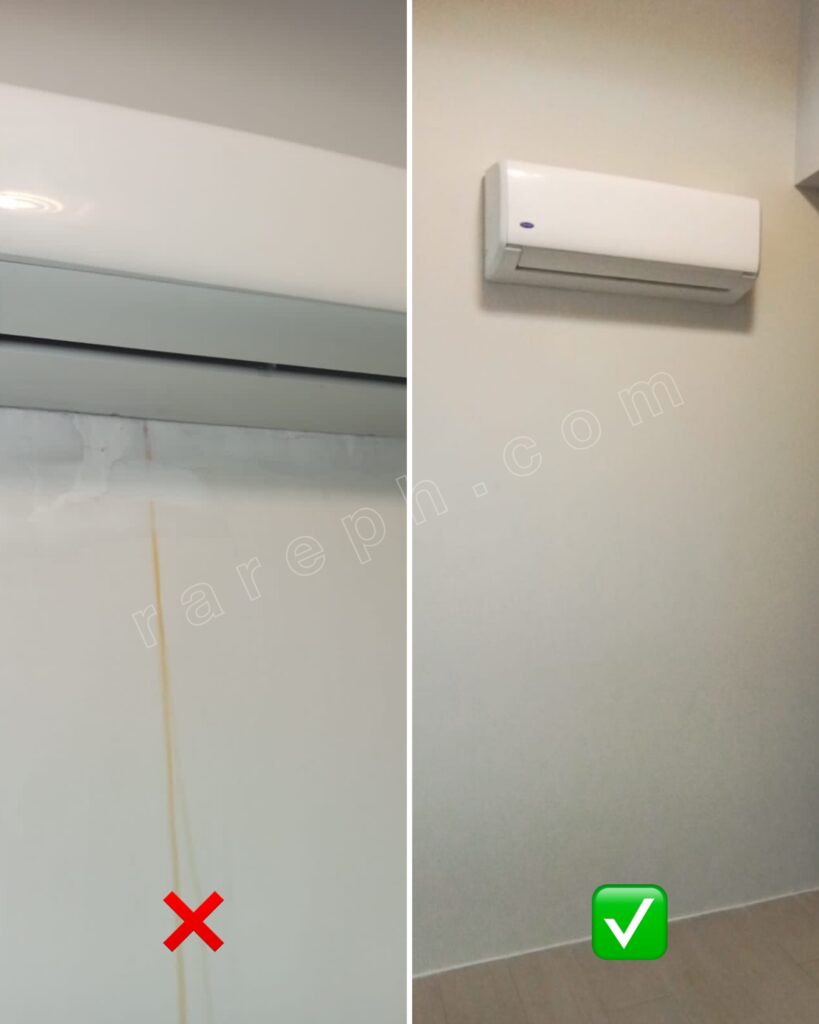
They coordinate repairs, hire the right technicians, check the work done, and ensure the property never deteriorates.
A well-maintained unit looks aesthetically pleasing and, more importantly, it rents faster, retains higher value, and attracts better tenants who respect the space more.
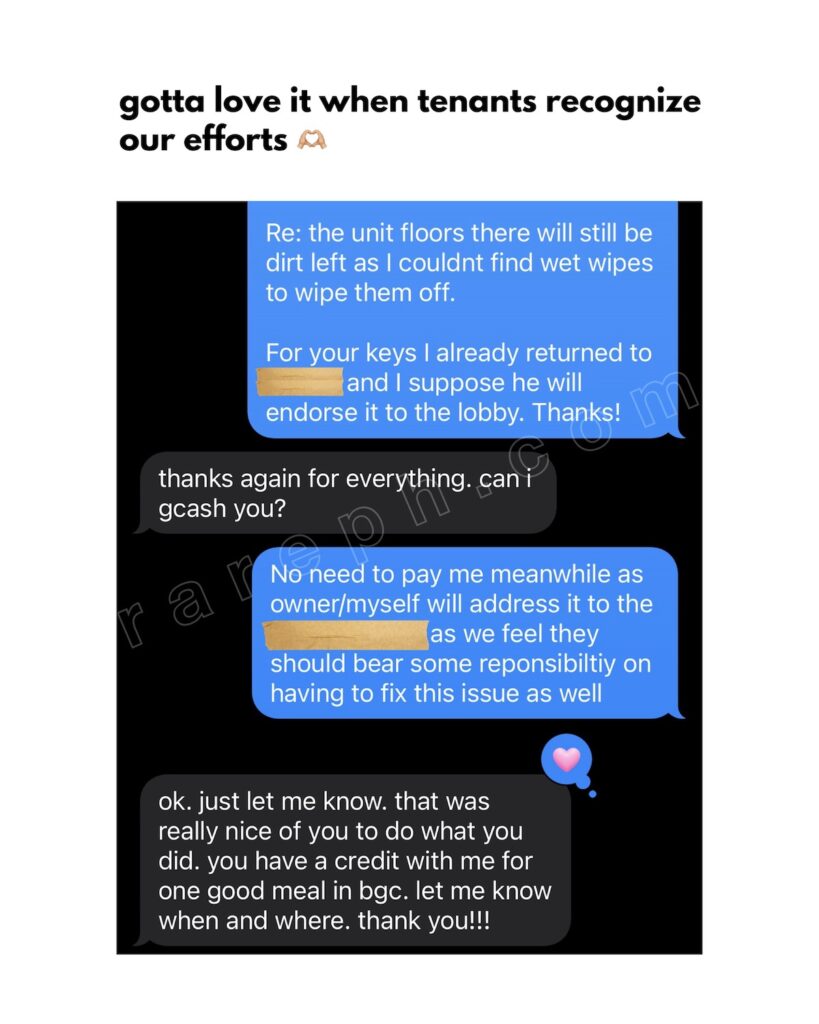
#3. Tenant Experience Improves Dramatically
Happy tenants stay longer and take better care of your unit. Unhappy tenants… don’t.
One of the biggest contributors to tenant dissatisfaction is slow communication from landlords who simply can’t respond quickly due to work, travel, or family responsibilities.
A property manager acts as a responsive point person: answering tenant concerns, clarifying building rules, processing paperwork, coordinating repairs, and setting expectations clearly on both sides.
The result?
A smoother rental experience that leads to longer leases and stronger tenant relations.
#4. Avoid Costly Mistakes and Miscommunications
A large part of managing a rental is knowing what not to do.
Property managers can help protect you by:
- ensuring payment transactions are documented properly
- monitoring move-in and move-out inspections
- documenting damages correctly
- overseeing keys, access cards, and inventory
- educating tenants on house rules
- mediating disputes before they escalate
Many landlords think they can handle things ‘case-to-case’.
Until a tenant claims, “The damage was there before,” or disputes a deduction, or delays payments because nothing was documented clearly.
READ: 5 Things Every Smart Renter Checks Before Signing a Condo Lease
Having a property manager can eliminate gray areas because everything is logged, documented, and verified.
#5. Investment Income Becomes Predictable
Every vacant month is lost income. And if you’re betting on your property as a source of passive income, it only becomes real passive income when it’s consistent.
With proper coordination, maintenance, and tenant care, property managers help reduce vacancies, speed up turnovers, keep the unit in top shape, minimize repair surprises, and maintain healthy cash flow.
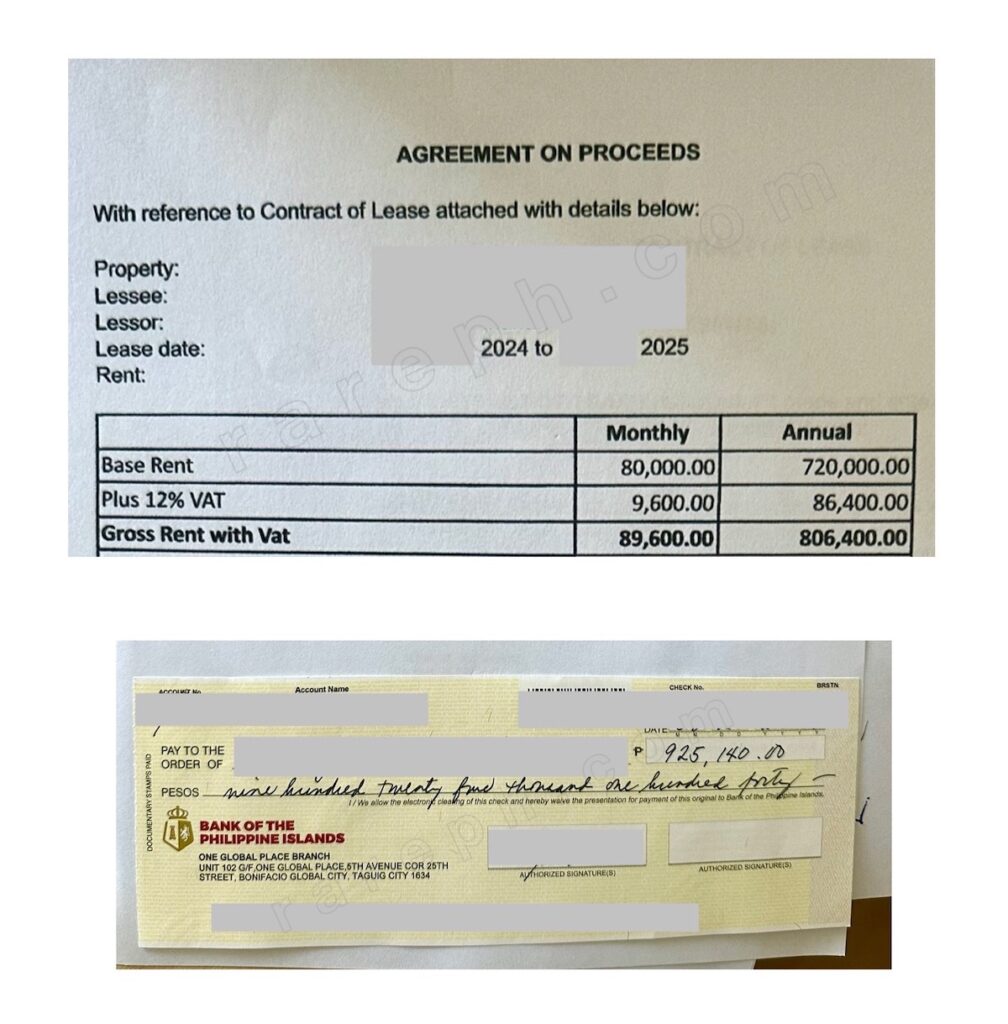
Mainly, it’s about preserving the value of the investment long term and not just about collecting rental checks.
#6. Gain a Partner Who Understands the Market
The Philippine condo market shifts continuously from rental prices, tenant preferences, and certain buildings that experience cycles of oversupply or high demand.
Property managers interact with these trends on a regular basis.
They offer realistic rental pricing, advice on repairs worth doing, and guidance on whether to adjust your rate or offer flexible terms to attract stronger applicants.
Landlords who self-manage often operate without this data.
A manager ensures your unit remains competitive and attractive.
How much do property managers get paid?
Rates vary across the Philippines depending on the building, unit size, and responsibilities, but condo landlords in Metro Manila typically pay:
5-15% of the monthly rental income, or
a fixed monthly fee (e.g. ₱5,000-10,000/month), for ongoing property management
This fee typically covers coordination, tenant assistance, inspections, and general management. Some special services, like handling major renovations, furnishing, or deep cleaning, may be charged on a project-based fee.
If you’re debating whether it sounds impractical to hire a property manager, the right question to ask yourself might not be “how much will a property manager cost me?”
But rather, “how much can a property manager save me in time, repairs, stress, and tenant turnover?”
Property manager vs. real estate agent: What’s the difference?
For all intents and purposes, there’s a distinct difference between the actual roles of a property manager and a real estate agent. And while the textbook definitions are straightforward, the nuances in real-world practice are what landlords should pay attention to.
A real estate agent helps you find a tenant.
A property manager helps you manage the tenant.
Agents handle marketing, showings, negotiations, and documentation during the leasing process. Tenant placements are usually paid via a commission equivalent to one month’s rent (per year contract) at the beginning of the lease.
Property managers step in once the lease is signed. Their work can include move-in assistance, coordination with the condo admin, handling repairs, collecting rent, conducting inspections, resolving tenant concerns, and ensuring the lease runs smoothly. They’re typically paid a certain percentage of rent or a fixed monthly fee.
Many experienced real estate agents and firms in the Philippines (like RARE Properties) can competently handle both. In fact, property management often becomes an unspoken extension of trust between agent and landlord, leading to smoother communication, easier renewals, and in best cases, being granted exclusive agency on the property.
That said, not every agent takes on property management. And unless this responsibility is formally agreed upon in writing, landlords or tenants shall not hold an agent legally accountable for it.
For agents who do proactively provide property management, many don’t get paid the corresponding fee on top of their rental commission (even when they probably should). As a landlord, consider how valuable this service is for your continuous income. A reasonable management fee, a full rent commission during renewals, or an exclusive agency agreement goes a long way toward incentivizing agents who manage your asset well.
Take the experience of landlords whose agents become unresponsive right after receiving their commission. Many ended up hiring a separate property manager, or wished they had worked with a reliable agent who could do both.
Should I hire a property manager?
If your goal is long-term, stable, low-stress rental income, the answer is yes.
You should seriously consider a property manager or an agent that does both if you:
- live far from the condo
- are based abroad
- are too busy to handle day-to-day concerns
- want your unit well-maintained
- want responsive support for your tenant
- prefer not to deal with emergency repairs
- want fewer vacancies and better tenants
- want your investment to stay competitive
- want your income to remain passive, not reactive
Self-managing works for some landlords.
But for many, it becomes an invisible job that slowly drains their time and peace of mind.
A property manager simply makes the experience easier for you and for your tenant.
If you want your rental condo in BGC or Makati managed with the same level of care you’d give it yourself, RARE can help. From coordination to tenant assistance, we ensure your investment remains protected, profitable, and stress-free. [Send us a message today!]