For years, the idea of a good location meant being close to the office, close to business districts, close to everything. In dense urban centers like Makati, Ortigas and BGC, convenience often dictated where people chose to live.
Over time, something shifted.
Homeowners are beginning to rethink what truly supports daily life. The conversation has moved beyond distance to something more personal: time, energy, space, and overall quality of living. Increasingly, buyers are choosing homes for families and residential properties in the South and Metro Manila that fit with how they want to live, not just where they need to be.
Intentional living can look different for everyone. For some, it’s a house in a leafy suburb with open space and quiet streets. For others, it’s a condominium accessible to work with upgraded amenities, safer pedestrian access, or more room for family routines.
The Luxury of Time
One of the most common reasons people reconsider where they live is time, or more specifically, how much of it is spent navigating places.
Leaving major commercial centers during peak hours can take far longer than expected. What looks close on a map does not always translate to efficiency. For many households, the reality of congestion, unpredictable travel, and crowded streets gradually reshapes priorities.

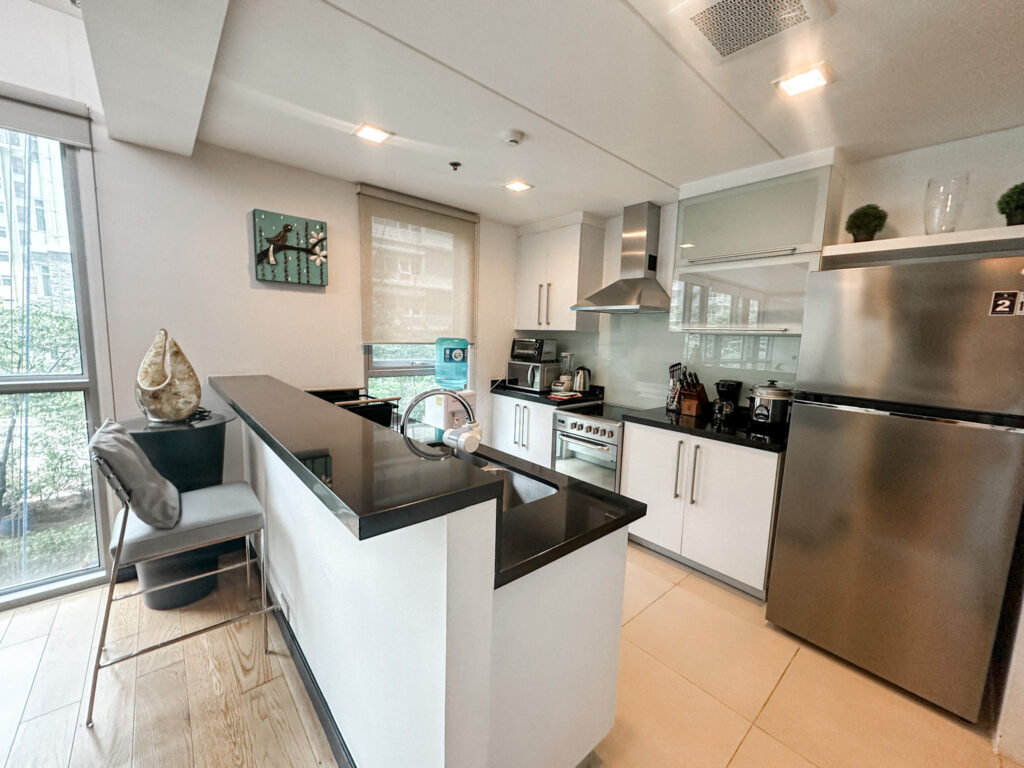
Some homeowners find that a move south to Laguna or Cavite can make daily travel more predictable, with tree-lined roads like SLEX southbound offering a smoother pace than stop-and-go traffic in central Manila. Others find that moving to a larger condo in BGC or Makati, even if it’s still in a dense area, can reduce commute stress by being closer to work or offering in-building amenities like gyms, parking, and 24-hour security.
Over time, these small improvements in time and ease shape how people evaluate a property, whether it’s a suburban home or an upgraded urban condo.
Quiet Living and the Value of Space
Noise is another factor people rarely consider until they experience its absence.
In urban districts, constant activity is part of the environment: traffic, crowded sidewalks, construction, and dense residential clusters. While some thrive in this energy, others find that their daily experience benefits from quieter mornings or more private outdoor space.
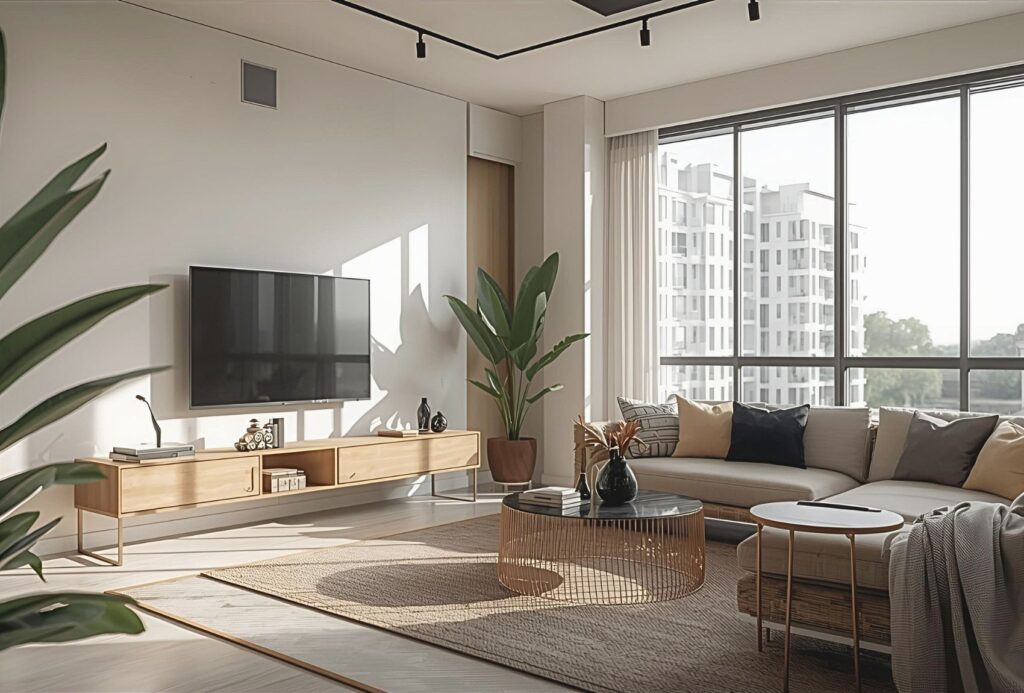
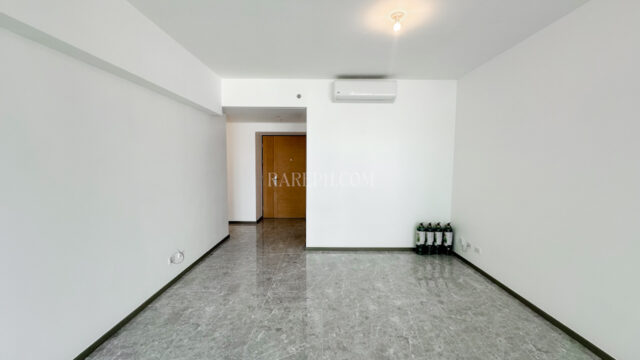
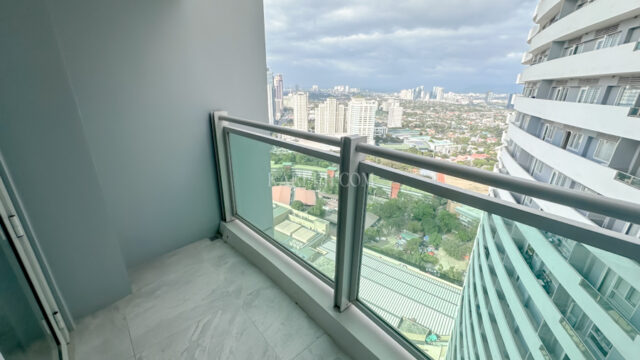
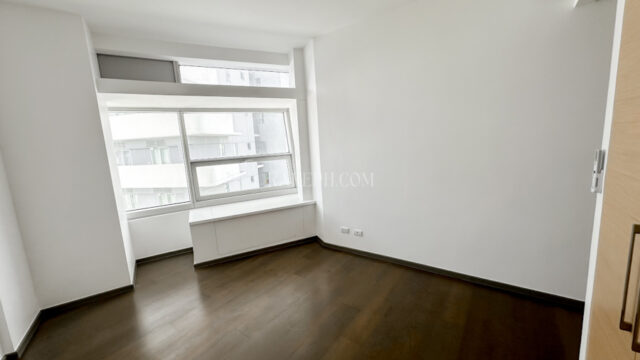
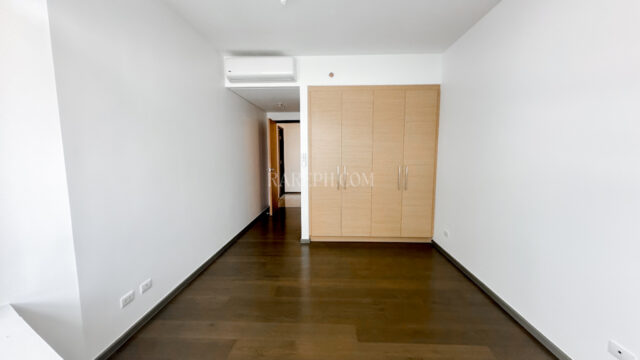
Without leaving the city, a condo with a well-designed layout, soundproofed walls, and shared green areas can provide the same sense of calm that a suburban street does. Flexible layouts, natural light, and private terraces or balconies make a difference, whether you’re in the heart of Bonifacio Global City or in a quieter township like Nuvali in Laguna.
The key is how the space fits into daily life. Enough room for routines, for work, for family, and for moments of pause.

Environment Shapes Daily Living
The surrounding environment is just as important as the home itself.
Master-planned communities, condominium complexes, and urban neighborhoods each bring different advantages. Suburban townships, parks, and low-density layouts encourage walking, outdoor activity, and a slower pace. Meanwhile, urban condos offer pedestrian-friendly streets, nearby cafes and groceries, and security that allows residents to move through the city with ease.
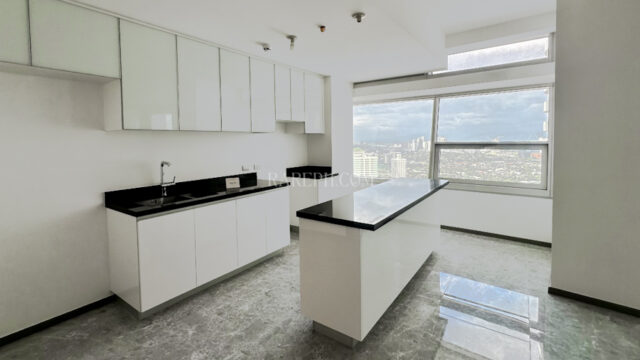
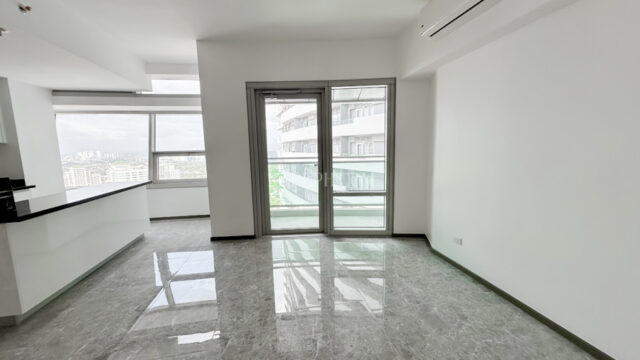

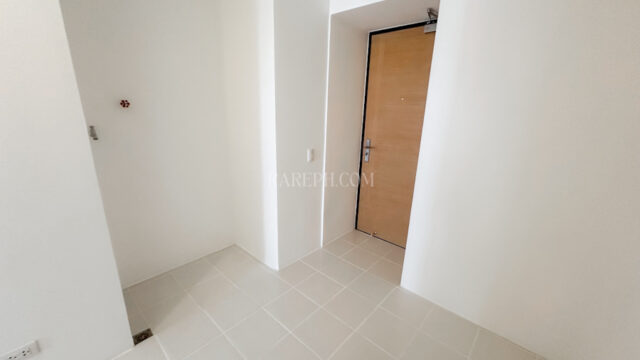
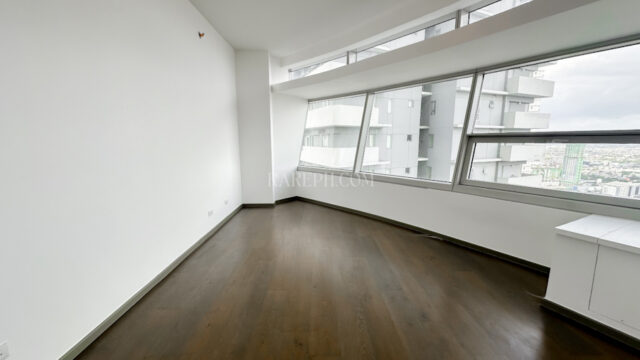
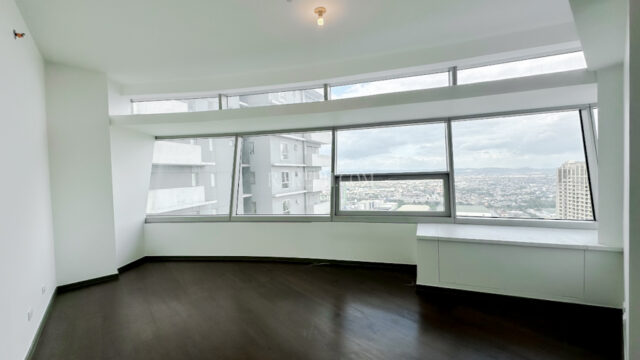

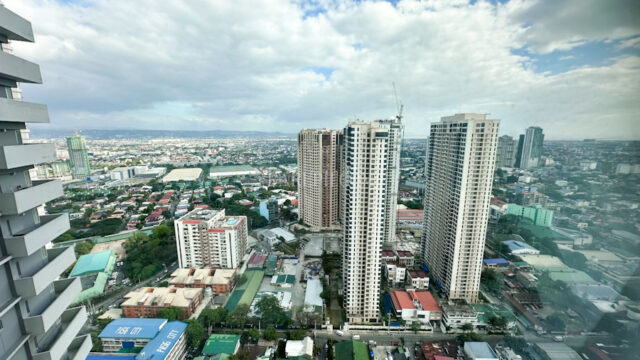
Developer reputation also plays a role. Communities built by groups like Ayala Land are often chosen for long-term planning, maintenance, and infrastructure. In a condo context, the building management, security, and facilities matter just as much, ensuring that residents’ daily routines are smooth and reliable.
When environment and planning are thoughtfully executed, the neighborhood itself supports a more balanced lifestyle.
Convenience Reconsidered
Choosing intentional living does not mean eliminating challenges. Roads change, developments expand, and traffic evolves. Costs and daily effort are factors in every location.
For some, convenience means living a little farther out but gaining more predictable travel and open space. For others, convenience means moving to a condo near work or a walkable neighborhood to minimize daily commuting and errands.

For many homeowners, the decision is not about removing inconvenience entirely. It is about choosing which challenges are manageable and which no longer align with priorities.
This shift reflects a more deliberate approach to daily life. Instead of defaulting to proximity, buyers consider how their environment supports long-term comfort, productivity, and well-being.
The Home as the Center of Daily Life
Intentional living reframes the role of the home.
Rather than just a place to return after long days, the home becomes central to daily experience. It is where routines unfold, where families gather, and where individuals recharge.
This perspective changes what buyers value. Flexible layouts accommodate evolving needs. Indoor-outdoor connections support relaxation and social interaction. Communities provide a sense of continuity rather than constant movement.
A home is no longer just about location or size. It is about how effectively it supports the life lived within it.
READ: House Hunting is Like Dating and It Deserves the Same Investment
Choosing What Matters
Intentional living is about clarity: understanding what supports daily well-being and choosing accordingly. Some people prioritize staying close to business districts. Others choose space, quiet, or a slower pace.

There is no single ideal location. There is only the environment that best supports the way someone wants to live. What has become clear is that more homeowners are making this decision deliberately. They weigh distance alongside experience, access alongside quality, and property features alongside how the space enables life.
In today’s residential market, the most meaningful upgrade is often not a larger home or a closer address, but a better alignment between space, purpose and lifestyle.
Explore homes that match the way you want to live. RARE Properties offers curated listings in the South and Metro Manila with private viewings and expert guidance. Contact us on WhatsApp at +63 949 579 0978.