
Hotel living was cute for a minute.
The convenience was hard to argue with. Housekeeping, utilities, Wi-Fi, and the feeling that you could leave whenever you wanted without worrying about a lease, furniture or fixing a leaky faucet.
Then you realize you’ve been there for eight months.
Maybe you came to Manila for work. Maybe you were between homes. Maybe you wanted to try a few neighborhoods before deciding where you actually wanted to live. Renting a serviced apartment made sense while you figured things out.

But eventually, “temporary” can start feeling like a surprisingly long arrangement.
You’re still wondering where you’ll be next year. You’re still keeping half your life in a suitcase. And at some point, you may find yourself looking at properties online even though you never intended to buy anything.
That’s usually when the question changes.
Should I stop renting and buy a place of my own?
Temporary Living Is Convenient—Until It Isn’t
In the beginning, hotel or serviced-apartment living makes perfect sense. You don’t have to furnish a place, deal with building management or spend an afternoon figuring out where to buy a decent mattress in Manila.
Everything works. Until you realize you’ve been living there long enough to have opinions about it.
The kitchenette barely fits a cutting board. The furniture isn’t really your style. You’d like to put up shelves, but you’re not sure the landlord would appreciate it. You buy something new and immediately wonder where you’re going to store it.
None of these things is a crisis.
They just start adding up.
And the longer you stay somewhere, the more you notice the difference between a place that’s convenient and a place that’s actually set up for your life.
READ: 5 Things Every Smart Renter Checks Before Signing a Condo Lease
Eventually, You Start Wanting a Place of Your Own
For some people, the decision comes after a lease ends or a work situation changes. For others, it’s much less dramatic.
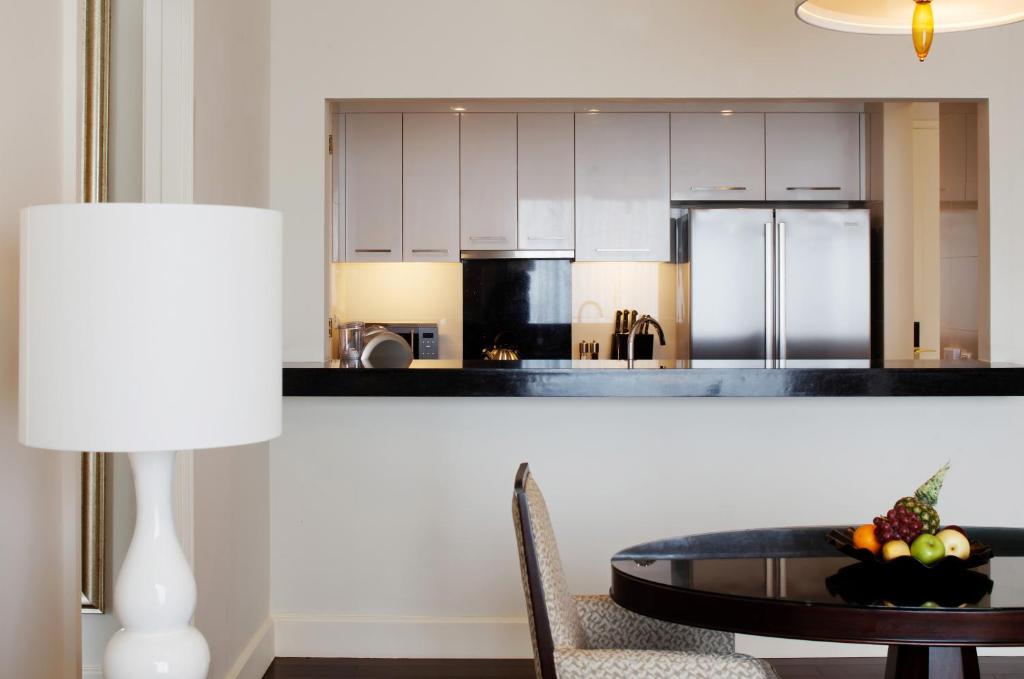
Maybe you want to cook tacos at midnight and discover that your kitchenette isn’t equipped for anything more ambitious than reheating dinner.
Maybe you’re working from home and your “desk” is still the dining table.
Maybe you’ve been in the same serviced apartment long enough that you’ve started buying things for it, then stopping yourself because you know you’ll eventually have to pack everything up again.
That can be the moment when buying starts to feel less like a distant financial goal and more like a practical possibility.
You begin asking different questions.
Where would I actually want to live? What kind of property would suit me? How long am I planning to stay? What would I do differently if I knew I wasn’t moving again next year?
Those questions are more useful than simply asking whether buying is “better” than renting.
READ: The Unwritten Rules: A Real Talk Guide to Condo Living Etiquette
Owning Gives You More Control Over How You Live
Owning a property comes with its own responsibilities. There are repairs, association dues, property taxes, maintenance and all the other things that disappear into the background when you’re renting.
But you also stop having to treat your home as a temporary arrangement.
You can finally buy the stand mixer you’ve been eyeing because you’ll still have the same kitchen next year. You can set up a proper workspace instead of clearing your desk every night. You can choose the curtains, paint the walls, build the shelving and buy the sofa that is slightly too large but exactly what you wanted.
READ: 7 Kitchen Must-Haves to Thrive in Condo Living
These are small decisions, but they change how you use a home.
And then there are the less obvious things.
You learn which grocery store is worth the extra five-minute drive. You know which road becomes impossible at 6pm. You recognize the guards in your building. You know which restaurant actually delivers when it says 30 minutes.
You stop making every decision around the possibility that you might move.
Renting Has a Cost That Doesn’t Appear on the Spreadsheet
The financial comparison between renting and buying deserves serious attention. Down payment, financing, taxes, association dues, maintenance and the opportunity cost of your capital all matter.
But there is another calculation people don’t always make.
How much energy goes into constantly deciding where you’ll live next?
Every lease renewal brings another decision. A rent increase makes you reconsider the neighborhood. A landlord deciding to sell can put you back into the search sooner than expected. Even when nothing is wrong with your current place, you’re still aware that it isn’t entirely yours.
That doesn’t mean renting is a bad choice.
It means flexibility has a value, and so does stability.
For some people, the ability to pack up and move is exactly what they want. For others, the constant possibility of moving eventually becomes the thing they’d most like to eliminate.
You Start Becoming a Local
This is one of the less obvious changes that comes with staying somewhere long enough.
The guards know you. The maintenance staff recognizes you. You start saying hello to the same neighbors in the elevator. You know which market vendors have the good produce and which streets to avoid during rush hour.
You develop routines without really deciding to.
In Metro Manila, that can make a bigger difference than it sounds. The city is large, busy and sometimes exhausting. Knowing your particular corner of it well can make everyday life considerably easier.
The neighborhood starts working for you because you’ve taken the time to learn how it works.
That’s one of the things a permanent home can give you that a succession of temporary addresses doesn’t.
READ: Happy Hour: Chill Al Fresco Spots for Day Drinking in BGC & Makati
Buying Starts to Align With Your Long-Term Plans
There isn’t a magic age or income level at which everyone should buy.
But you may notice that your thinking has changed.
You’re browsing listings even when you’re not actively house hunting. You’re paying attention to which buildings have good layouts and which ones don’t. You’re looking at prices and doing actual calculations rather than simply saving beautiful properties on Instagram.
READ: House Hunting is Like Dating and It Deserves the Same Investment
You may also find yourself thinking further ahead.
Not just Where am I staying for the next six months?
But Where do I want to be three or five years from now?
That doesn’t automatically mean you should buy.
It does mean the question is probably worth taking seriously.
Buying Doesn’t Always Mean Moving In Immediately
There’s another part of the buying decision that often gets overlooked: you can own a property and still rent.
You might buy a vacant lot and continue renting while you build.
You might purchase a house that needs a substantial renovation and rent somewhere else until the work is finished.
You might buy an investment property while continuing to rent the home you actually live in.
You might even rent in a neighborhood first because you want to experience it before deciding whether you would eventually want to own there.
So the choice isn’t always as simple as renting or buying.
Sometimes renting is simply part of the route to ownership.
You Start Looking for a Home, Not Just a Place to Stay
Once you know you want to own, you still have to work out what you can comfortably afford, where you want to live, what type of property suits you and whether the properties you’re considering are worth their asking prices.
A ₱40 million property in one building can be a very different proposition from a ₱40 million property across the bridge.
The building, location, layout, view, parking, condition, dues, resale market and the even reason the seller is selling can all matter.
And that’s where having someone who knows the market comes in handy.
A good agent does more than show you units. They should be able to tell you when a property deserves a second look, when an asking price needs context, and when something that looks impressive in a listing doesn’t necessarily make sense for the buyer.
You’re not just looking for a property.
You’re trying to find the one that makes sense for the life you’re actually going to live in it.
RAREPH Listings
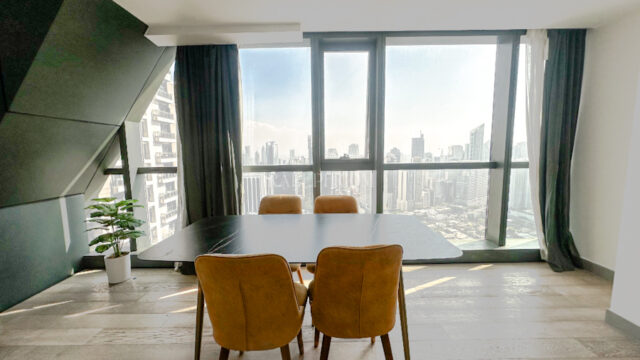
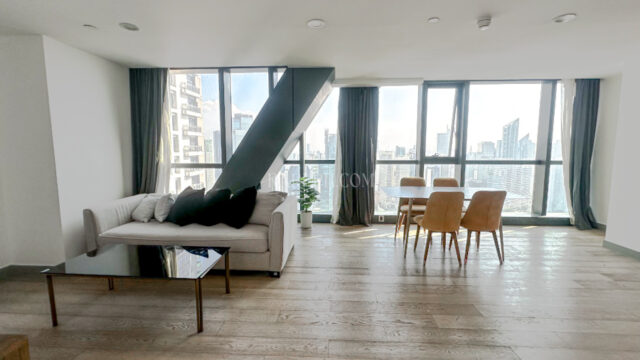
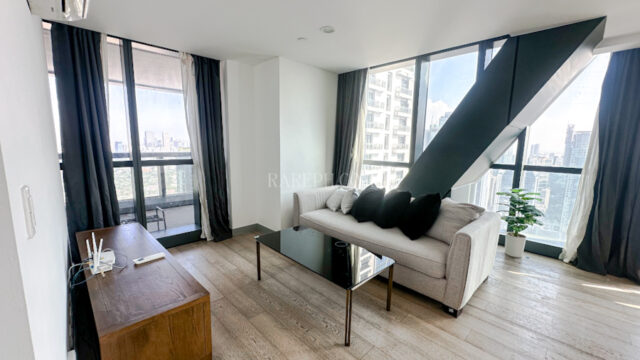
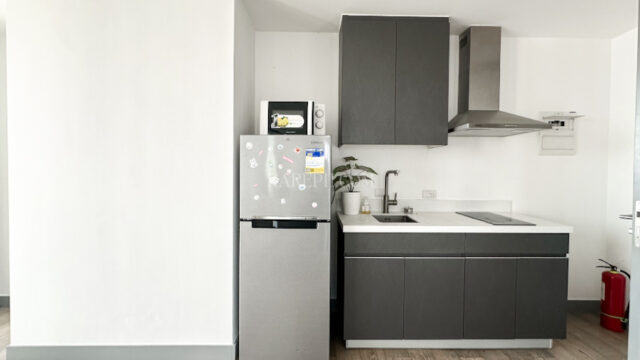
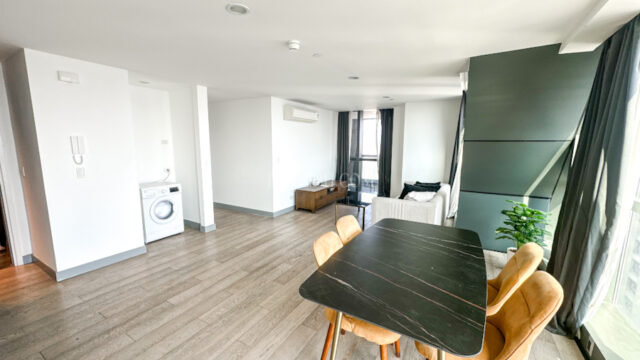
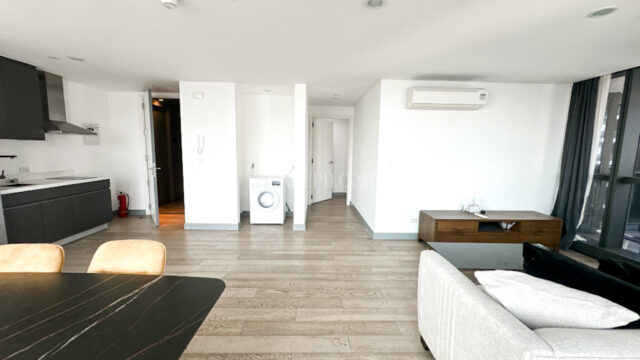
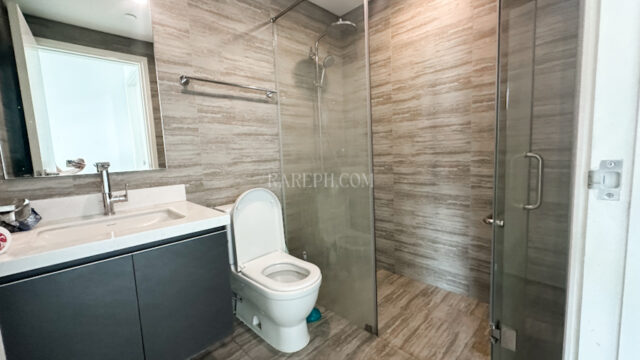
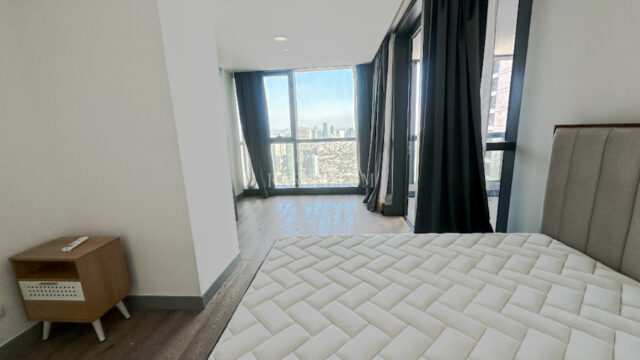
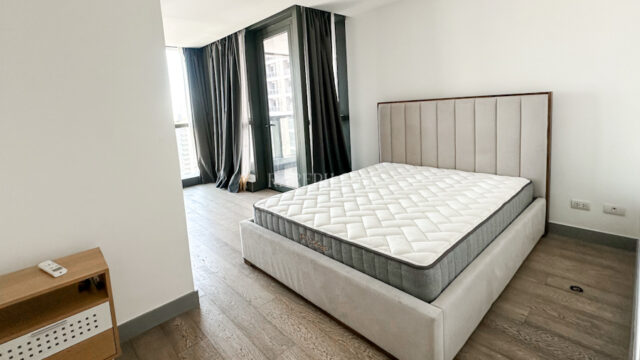
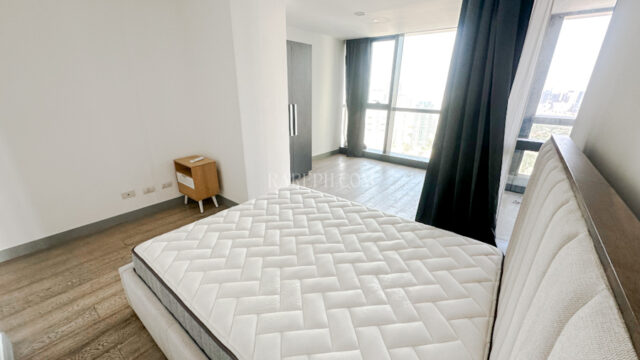
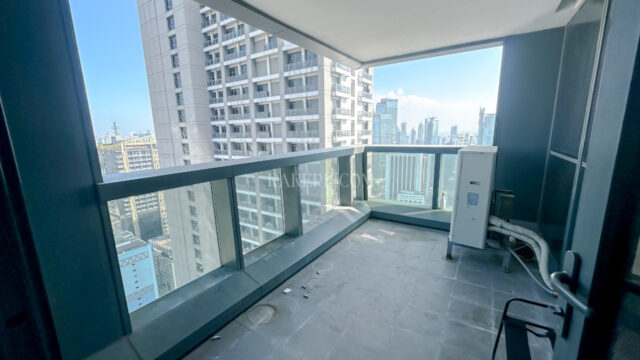
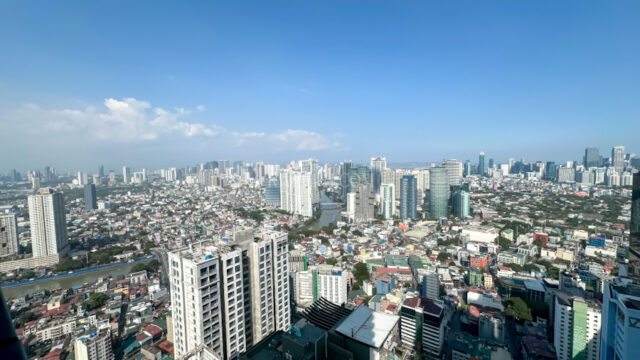
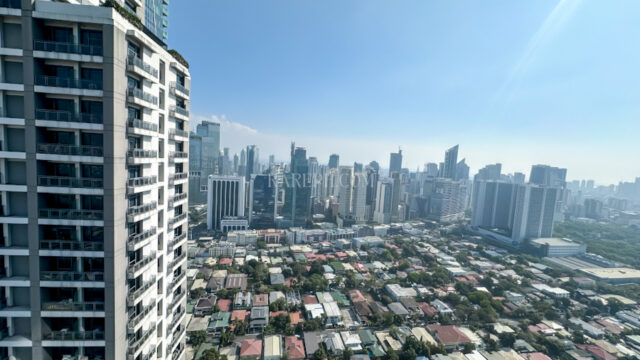
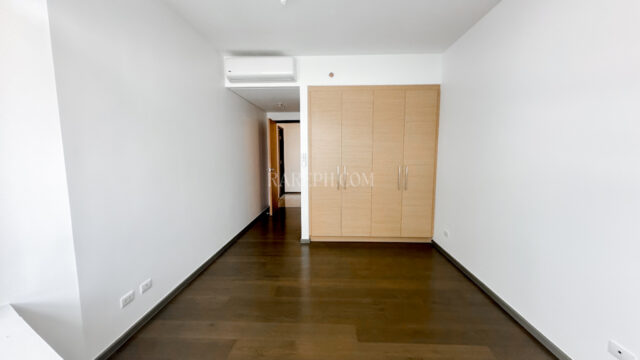
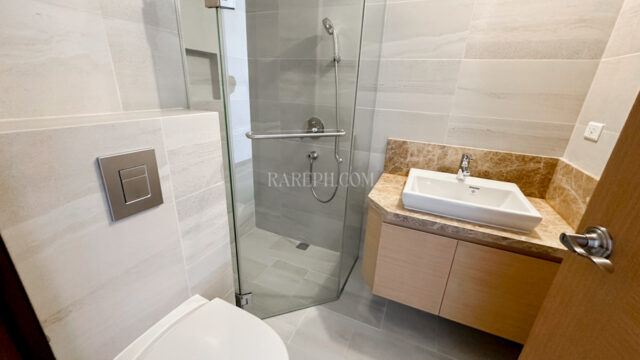
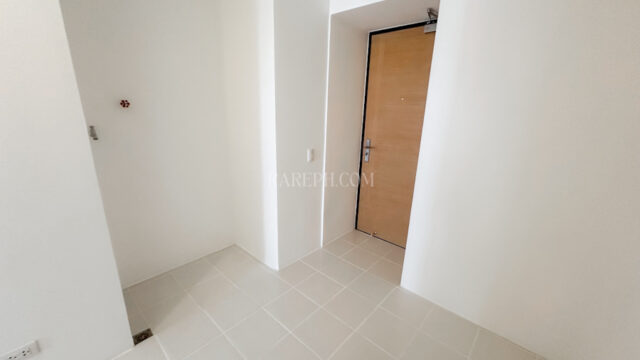
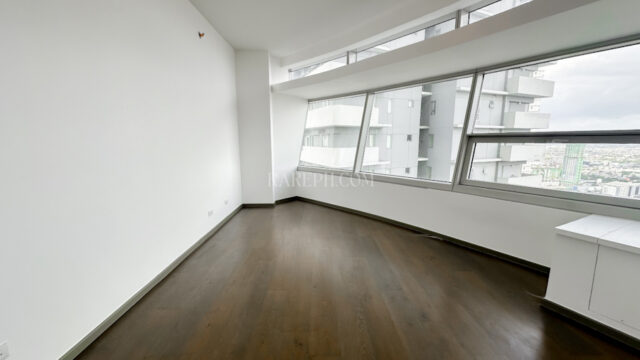
Century Spire 1-Bedroom Condo For Sale in Century City Poblacion Makati
- 1
- 1
- Area (sqm) : 77
- 1
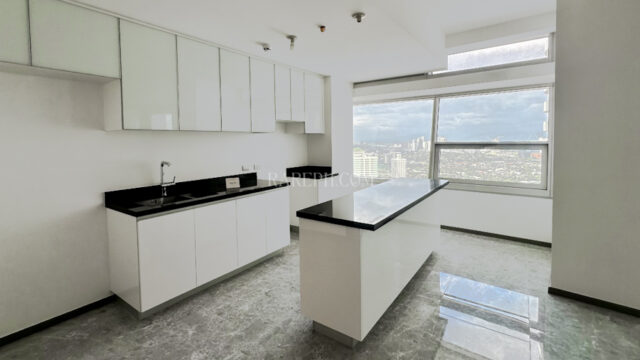
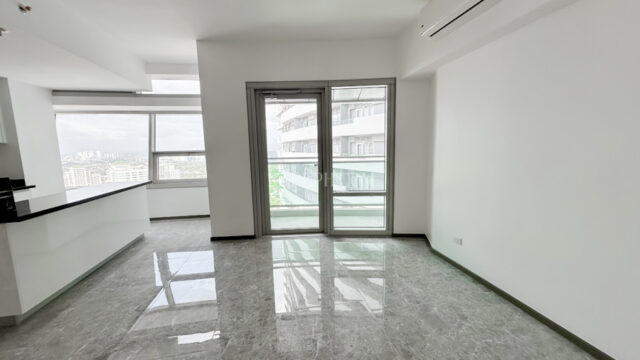
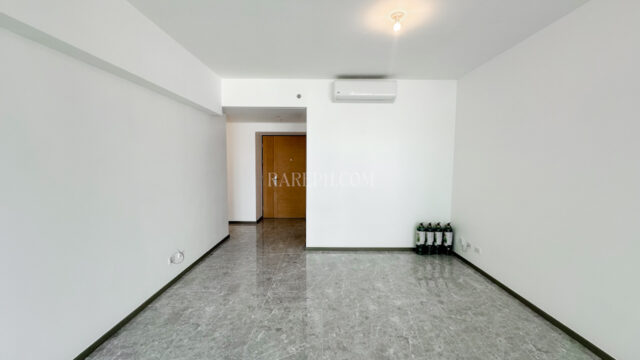
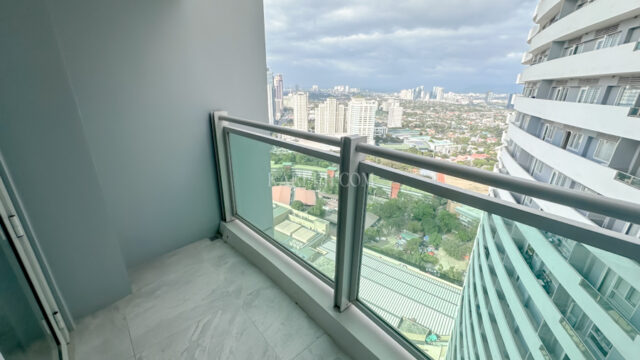
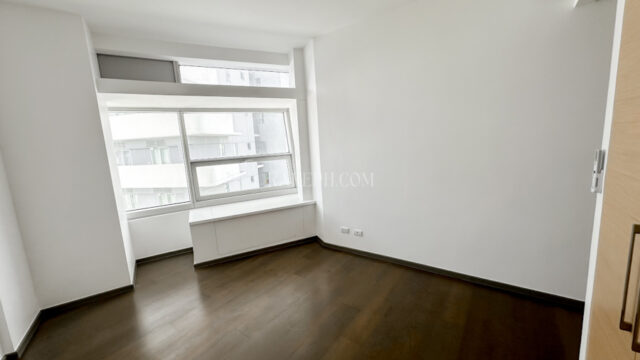
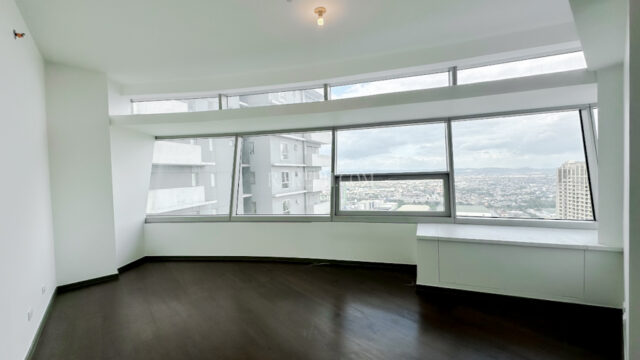
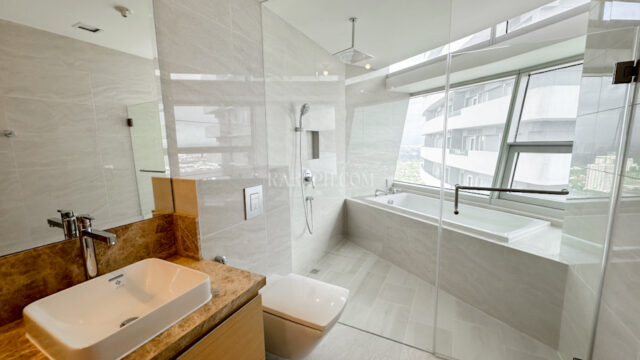
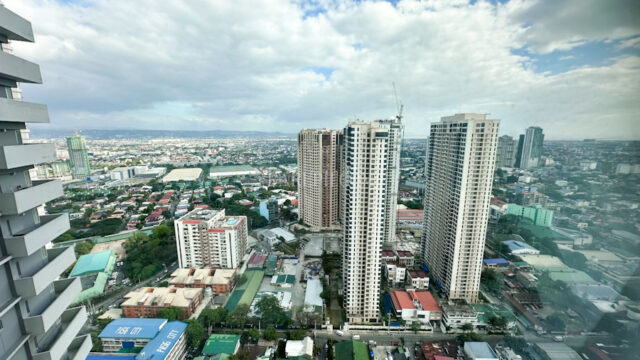
Imperium at Capitol Commons 2-Bedroom Condo For Sale in Ortigas Pasig
- 2
- 2
- Area (sqm) : 128
- 1

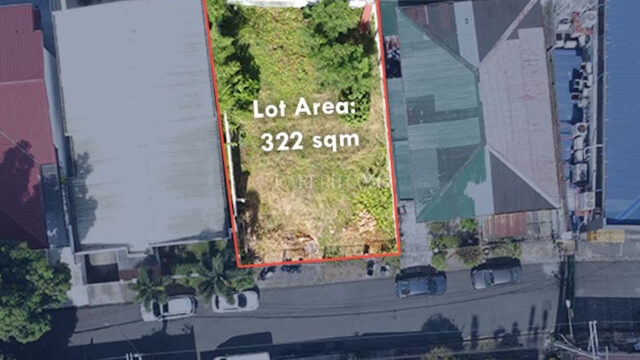
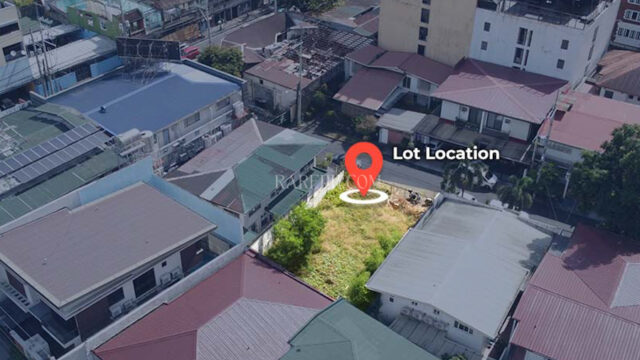
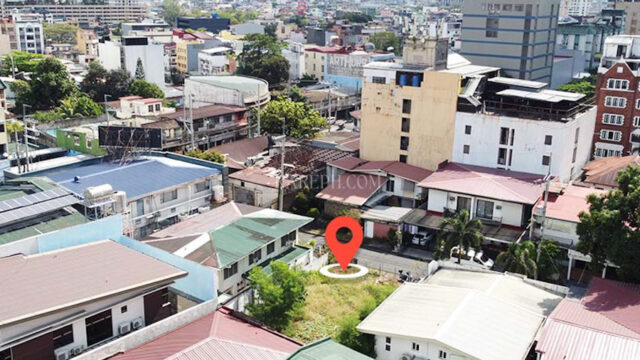

San Miguel Village 322sqm Residential Lot For Sale in Makati
- Area (sqm) : 322
Buying a property is a significant commitment, and there is no prize for doing it before you’re ready.
If renting still gives you the flexibility you need, that’s a perfectly reasonable choice.
But if you’ve been renting for years, know where you want to live, have the financial capacity to buy and find yourself wanting more permanence, it may be time to look at what ownership could actually look like.
And you don’t have to figure it all out at once.
Start with the neighborhood. Look at the properties. Understand the numbers. See what your budget actually buys.
Then decide.
If you’re ready to explore buying, RARE Properties can help you make sense of the market and find a property that fits your budget and the way you want to live. Let’s talk about your next move.