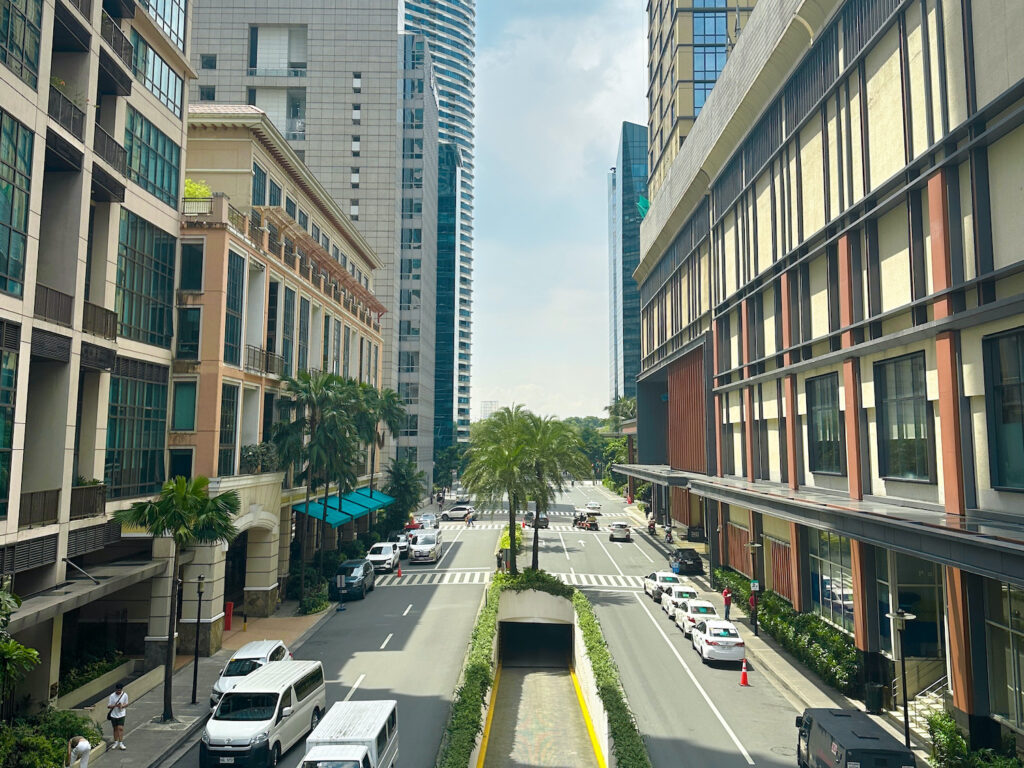
On a Saturday morning, the drive south from BGC takes you past Skyway toll plazas and through stretches of highway that gradually open up. Somewhere after Sta. Rosa, the shift becomes obvious. The roads get wider, the air feels clearer, and you find yourself surrounded by planned greenery instead of the dense towers you left behind.
Nuvali used to be a weekend destination for Manila families. A place to bike around the lake, browse the weekend market, then head back to the city by Sunday evening. But over the last five years, something changed. Families started buying homes here, enrolling children in nearby schools, and making Nuvali their permanent address. The appeal isn’t about escaping the city so much as choosing a fundamentally different way of living when you have the means to do so.
The Wellness Infrastructure Gets Used Daily
Nuvali’s marketing centers on wellness. There’s a man-made lake with surrounding paths, dedicated bike trails threading through neighborhoods, weekend farmers’ markets, and even a rowing club. It’s the kind of pitch that can sound aspirational on a brochure but fade into background noise once you actually move in and daily routines take over.
What’s notable is how many families here actually use these features regularly. The lake loop becomes part of morning routines before work. The weekend market stops being a special outing and turns into where you pick up produce and run into neighbors. Kids genuinely ride bikes between friends’ houses because the streets were designed with wide lanes and safe connectivity between subdivisions.
Parents who’ve made the move often mention how much more time their children spend outdoors compared to their previous setup in the city, and it’s less about any dramatic lifestyle overhaul and more about the environment naturally encouraging it. When there’s open space right outside your door and other families are already out there, participation becomes the default rather than something you need to motivate yourself to do.
The rowing club functions as an actual community rather than just an amenity listed in the sales brochure. The weekend markets create weekly rhythms where you see familiar faces and conversations pick up where they left off. This kind of consistent engagement with your surroundings changes the relationship you have with where you live. Home becomes a place where life actively happens around you, not just a retreat you return to after everything else.
Schools Made This Location Work
When you ask families what tipped the decision to move south, a surprising number will bring up schools before they even describe the house they bought. The concentration of well-regarded international schools within a tight radius has created something that only a handful of areas in Metro Manila can offer.
Beacon School, Everest Academy, Xavier School Nuvali, and Miriam College all sit within ten to fifteen minutes of most residential areas in Nuvali. For parents managing school-age children, this proximity completely reshapes how the day functions. Morning drop-offs shift from a logistical puzzle requiring departure before dawn to something you can manage in a single trip without battle-level planning. Afternoons free up because you’re not spending two hours navigating traffic just to collect your kids and bring them home.
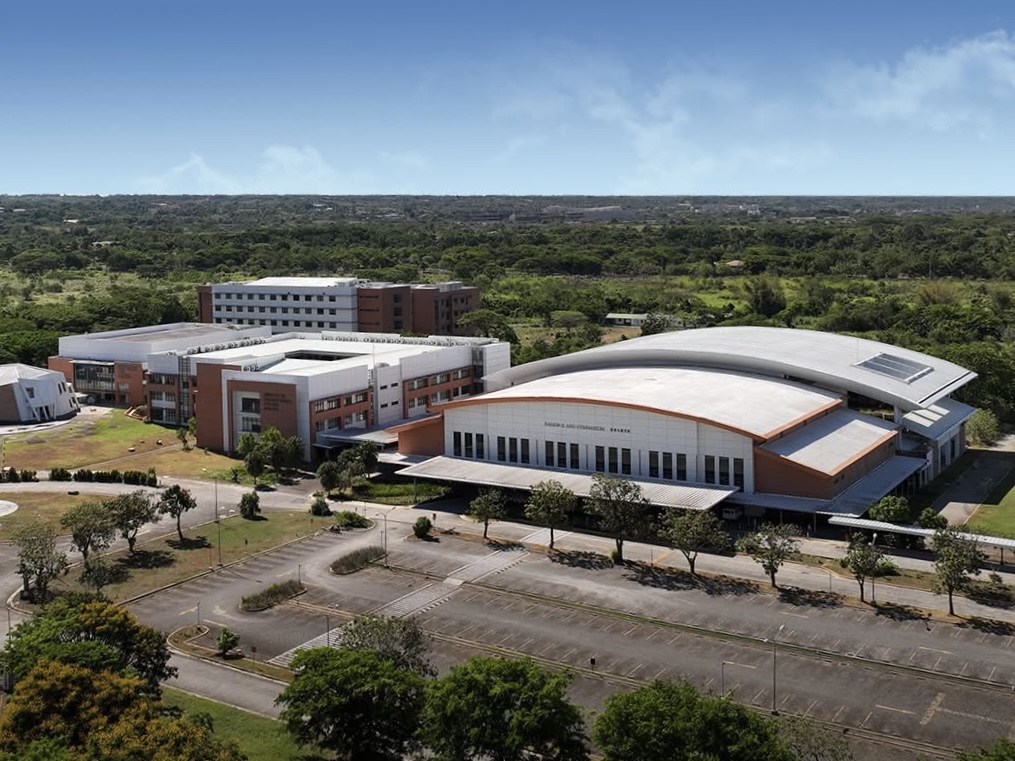
One couple who relocated from Makati described their breaking point clearly. Their daughter’s closest friends lived in Nuvali, which meant every weekend involved an hour and a half in traffic each way just to attend a birthday party or arrange a playdate. They realized they’d begun structuring their entire week around their child’s social calendar, and at a certain point, relocating made more sense than sustaining that pattern indefinitely.
For families raising young children, school proximity isn’t a luxury consideration. It’s infrastructure that determines whether daily life works smoothly or requires constant friction. Nuvali provides that foundation in a way that most emerging developments can’t yet replicate.
What Thirty Million Actually Buys You
Thirty million pesos in BGC buys you a well-finished two-bedroom condominium with roughly 100 square meters of interior space. You’ll get quality materials, a balcony if the floor plan allows, and possibly a view depending on which direction the unit faces. It’s a legitimate property in one of Manila’s most sought-after addresses.
Take that same budget to Nuvali, thirty-plus million gets you a four-bedroom house with around 400 square meters of living area, a private garden with actual soil you can plant in, a two-car garage, and outdoor space where children can play without needing to coordinate elevator access or share a pool deck with two hundred other families.
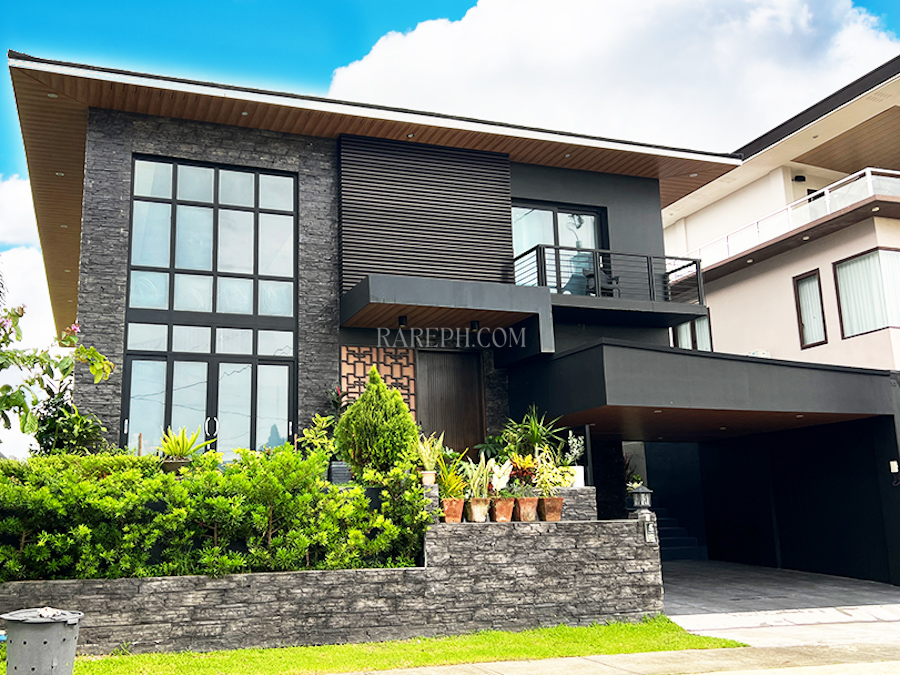
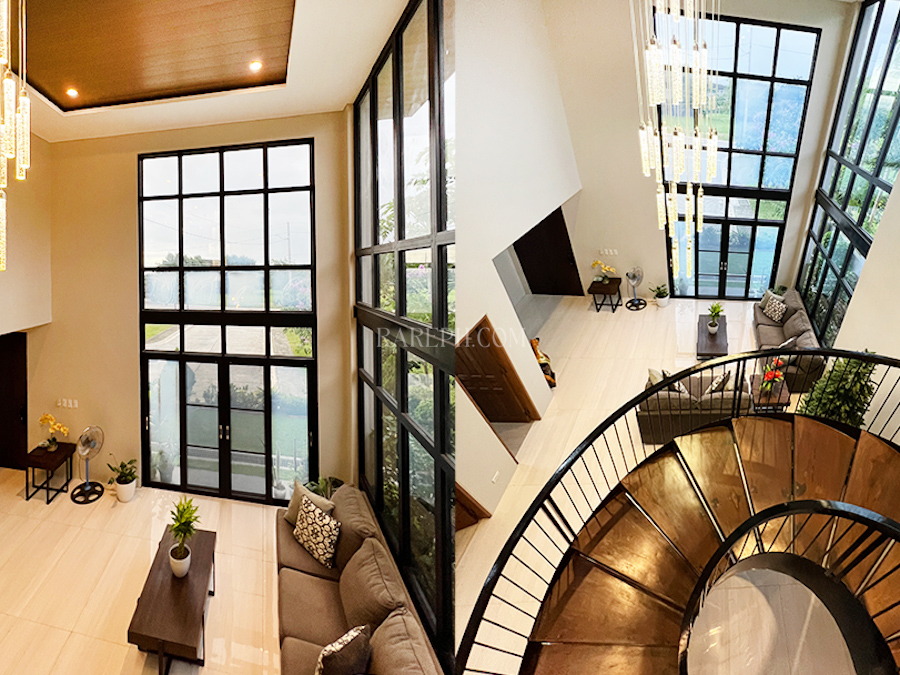
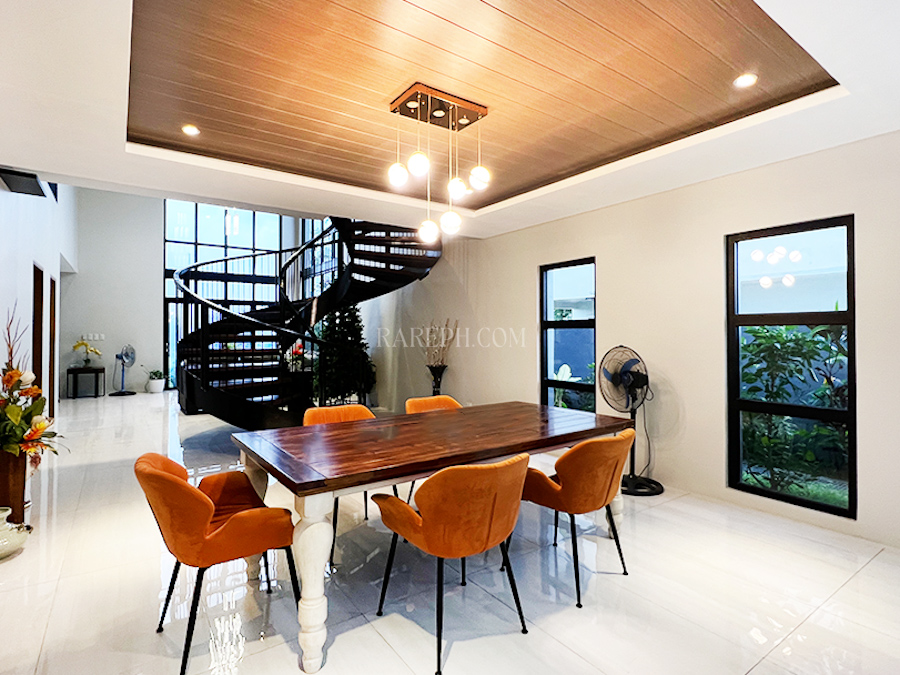
The difference becomes tangible when you think through how family life with young children actually unfolds day to day. A living room scattered with toys doesn’t feel chaotic when the room itself is large enough to absorb the disorder. A home office functions when it occupies a dedicated room with a door that closes, rather than being carved out of a bedroom corner with a folding screen for privacy. Hosting extended family for Sunday lunch makes practical sense when your dining area has proper separation from the kitchen and entryway.
Beyond the square footage, there’s a particular kind of privacy that comes with a detached house that high-rise living simply cannot provide. No shared walls transmitting your neighbor’s late-night television. No footsteps from the unit above. No mandatory pleasantries in a crowded elevator lobby with residents you vaguely recognize but don’t actually know. You pull into your own driveway, close your own gate, and the boundaries of your space are entirely yours to control.
For families who’ve reached the limits of what vertical living can offer, or who never quite adapted to it despite years of trying, this is about recognizing that more space at a lower cost per square meter might actually represent a significant upgrade in quality of life.
CALAX Changed the Commute Reality
For a long time, the biggest barrier to moving south was simple. If your job required you in Makati or BGC regularly, living in Laguna meant surrendering four hours a day to traffic, sometimes more during particularly bad stretches. That kind of commute wasn’t just inconvenient. It was unsustainable for anyone trying to maintain both a career and any semblance of family time.
The opening of CALAX—the Cavite-Laguna Expressway—fundamentally changed that calculation. The route now connects Sta. Rosa and Nuvali to Metro Manila’s business districts in a way that genuinely makes the south viable for professionals who still need regular office presence. On favorable traffic days, you can reach Makati from Nuvali in forty-five minutes. During peak hours, that stretches to an hour, occasionally more, but it’s competitive with the commute many people already endure just navigating within BGC or trying to exit Rockwell during rush hour.
READ: Live in Laguna: 5 Beautiful Upscale Homes Near Metro Manila
The shift happens psychologically once families realize the drive is manageable rather than punishing. When that mental barrier drops, the other advantages—space, schools, cost efficiency—start carrying significantly more weight in the decision. You’re no longer choosing between career viability and lifestyle. You’re positioning yourself in a place that can serve as both a stable home base and a reasonable launching point into the city when work demands it.
For the growing segment of professionals working remotely or running their own businesses without fixed office requirements, the commute question becomes even less central to the decision. Connectivity today is less about highway access and more about reliable fiber internet and reasonable proximity to an airport, both of which Nuvali handles without issue.
Ayala Land’s Track Record Matters Here
Buying a house in a master-planned estate means you’re not just evaluating the individual property. You’re placing a bet on whether the developer will follow through on infrastructure maintenance, community management, and continued buildout over the next twenty to thirty years. Developer track record matters significantly more in this context than it does when buying a condo in an already-established urban core where city infrastructure exists independently.
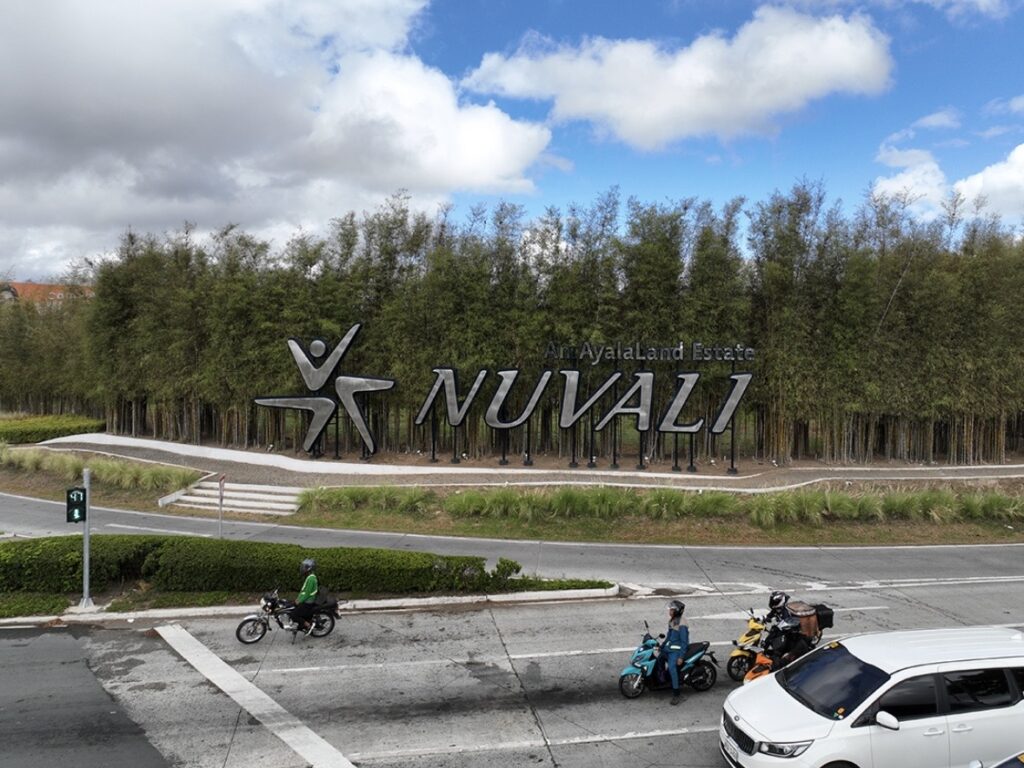
Ayala Land’s role in Nuvali carries weight because of documented performance across their portfolio. Whether it’s Ayala Land Premier targeting the luxury segment, Alveo Land for high-end developments, Avida Land for the mid-market, or Amaia for affordable housing, the pattern holds. Their properties tend to age well. Roads stay maintained. Landscaping doesn’t slide into neglect. Commercial phases continue rolling out instead of stalling halfway through initial promises.
Nuvali launched with the ambition of becoming a self-sustaining mixed-use estate, and the execution has largely matched that vision. Solenad, the main commercial hub, has filled out with restaurants, retail, clinics, and everyday services that residents genuinely use rather than just existing as placeholders. Infrastructure continues expanding with new residential phases opening regularly, and the central lake area maintains consistent activity throughout the year. It functions as a place where daily life can unfold locally rather than requiring constant trips back to Manila for anything beyond basic groceries.
When you’re evaluating property as a hold spanning ten, fifteen, or twenty years rather than a short-term flip, you’re fundamentally buying into the estate’s trajectory. With Ayala’s established reputation behind it, that trajectory comes with verifiable precedent rather than speculative hope.
RELATED: Southmont by Ayala Land: Why Cavite’s Fastest-Growing Estate Is Worth Your Attention
Who’s Actually Making This Move
Certain types of buyers dominate Nuvali’s residential market, and the patterns become obvious once you start paying attention:
- Young families with children. Families with kids under ten make up a large segment. They’ve outgrown condo living or never adapted to it in the first place. They want space for their kids to grow up with access to outdoor play and neighbors who also have young children.
- Dual-income professionals. Nuvali is appealing to people in their thirties and forties who have remote work flexibility. They still travel to Manila regularly for meetings or client work. The expressway makes occasional trips manageable without requiring them to live within walking distance of their workplace.
- Returning overseas Filipinos. Many balikbayans and OFWs who’ve spent years in suburban environments abroad and want that same model here. The single-family home with a yard and a driveway. The neighborhood where kids can ride bikes. The quieter pace with access to good schools and modern amenities.
- Second-home buyers. People who initially purchased in Nuvali as a weekend escape and eventually made the shift to full-time. They realized they preferred being there more than they preferred their city residence.
What connects these different groups is that they’re actively choosing Nuvali because it delivers something Metro Manila’s urban core genuinely cannot provide at any price point. Once they’re settled and routines establish themselves, very few seriously entertain the idea of moving back.
What This Comes Down To
Nuvali represents a fundamentally different proposition from city living. It offers space that actually breathes. Yards that children can use daily rather than occasionally. School runs that take fifteen minutes instead of consuming full mornings five days a week. A community structure built around how families with resources prefer to live when they’re given genuine choice rather than being forced to compromise.
The shift south isn’t about rejecting Manila or abandoning urban life entirely. It’s about repositioning home as a place that actively supports the life you’re trying to build instead of functioning as something you’re constantly working around and accommodating. For the families making this move, that distinction is exactly the point. Once they experience the difference firsthand, the previous model stops making sense, and the question shifts from whether to move to why they didn’t do it sooner.