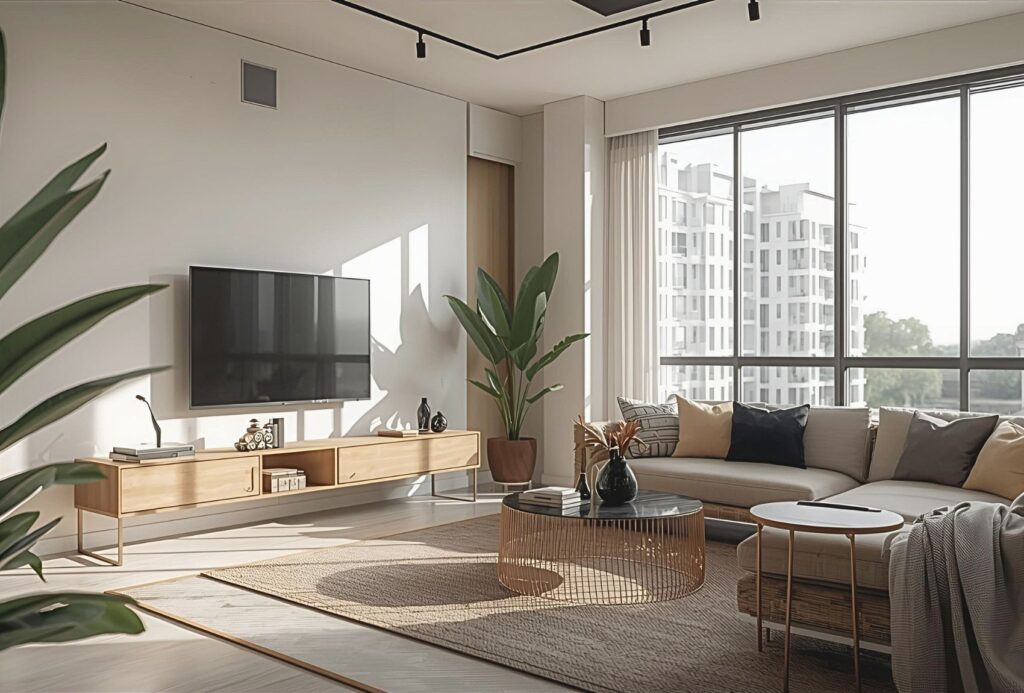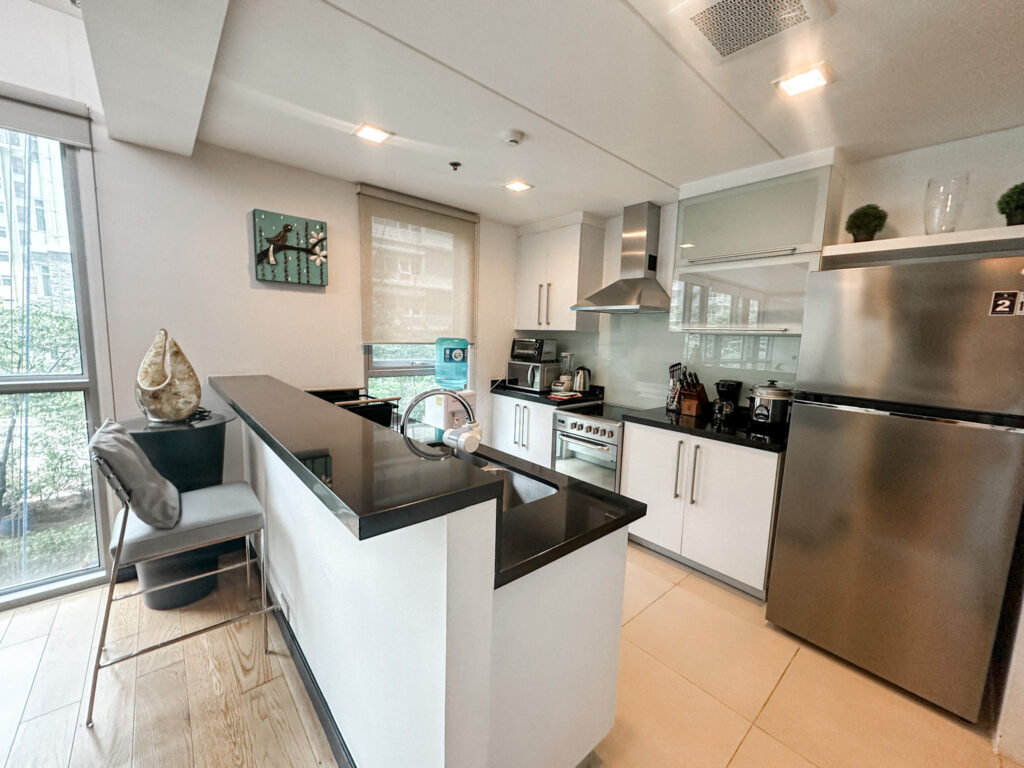
The idea of high end residential design in the Philippines is evolving. For many homebuyers, a well-designed home is no longer defined solely by floor area, expensive finishes, or an impressive façade. Increasingly, buyers are looking for homes that offer comfort, natural light, thoughtful use of space, and a stronger connection to the surrounding environment.
This shift has brought greater attention to design approaches that combine aesthetics with practical considerations for everyday living. Japandi is one such approach.
Japandi brings together two design philosophies from very different cultures. From Japanese design comes the idea of wabi-sabi, an appreciation for simplicity, natural materials, and the beauty of imperfection. From Scandinavian design comes hygge, the idea of creating a home that feels comfortable, warm, and inviting.
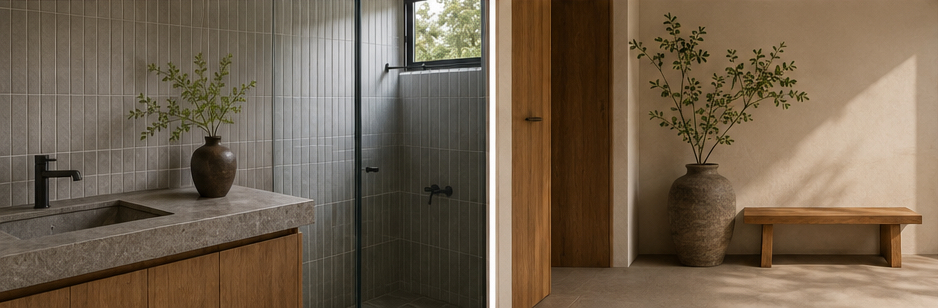
Put the two together and you get an aesthetic that is relatively easy to recognize: clean lines, natural materials, warm neutral tones, simple furniture, and uncluttered spaces. It is minimalist without feeling stark and refined without becoming overly formal.
These qualities make Japandi particularly relevant to residential properties in the Philippines, where good design also needs to respond to a warm, humid climate.
It is important to note that Japandi itself is not a sustainable design system. Rather, its principles can complement many of the architectural and interior decisions associated with more environmentally conscious homes.
Why Japandi Works in the Philippine Setting
Japandi originated from two very different design traditions, neither of which was developed specifically for the Philippine climate. However, several of the principles behind the style translate well into tropical residential design.
The emphasis on natural light, simple layouts, natural materials, and a relationship between indoor and outdoor spaces can work particularly well in properties surrounded by greenery or located in master-planned communities.
There are also parallels with traditional Filipino approaches to residential architecture.
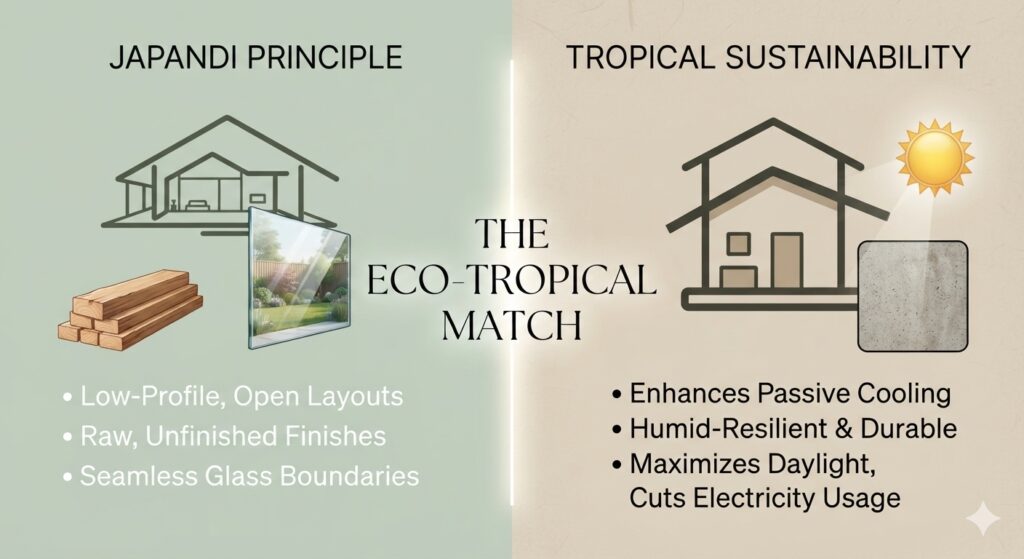
Long before air conditioning became a standard feature in Philippine homes, houses were designed to make use of natural ventilation, shaded outdoor spaces, generous openings, and high ceilings. Contemporary architecture can reinterpret some of these ideas using modern materials and technology.
For homeowners considering a Japandi-inspired property, the appeal is therefore not simply visual. The style can provide a framework for creating interiors that feel calm and spacious while supporting practical considerations such as ventilation, daylight, and efficient use of materials.
Japandi Principles for Effortless Everyday Living
Several principles associated with Japandi can also support a more sustainable approach to residential design:
1. Designing for air and natural Light
Cooling and lighting are central to enjoying a home in the Philippines. Open layouts, high ceilings, cross-ventilation, and wide openings do something simple but powerful: they make a home feel airy, bright, and comfortable throughout the day.
While passive cooling naturally helps lower energy costs, the main benefit for homeowners is experiential. Japandi interiors lend themselves to this because they avoid heavy partitions and bulky furniture. Large glass doors create smooth transitions between indoors and covered terraces or pocket gardens, making even compact spaces feel generous and connected to nature.
ALSO READ: 5 Ways to Lower Your Condo Electricity Bill
2. Choosing Materials That age Well
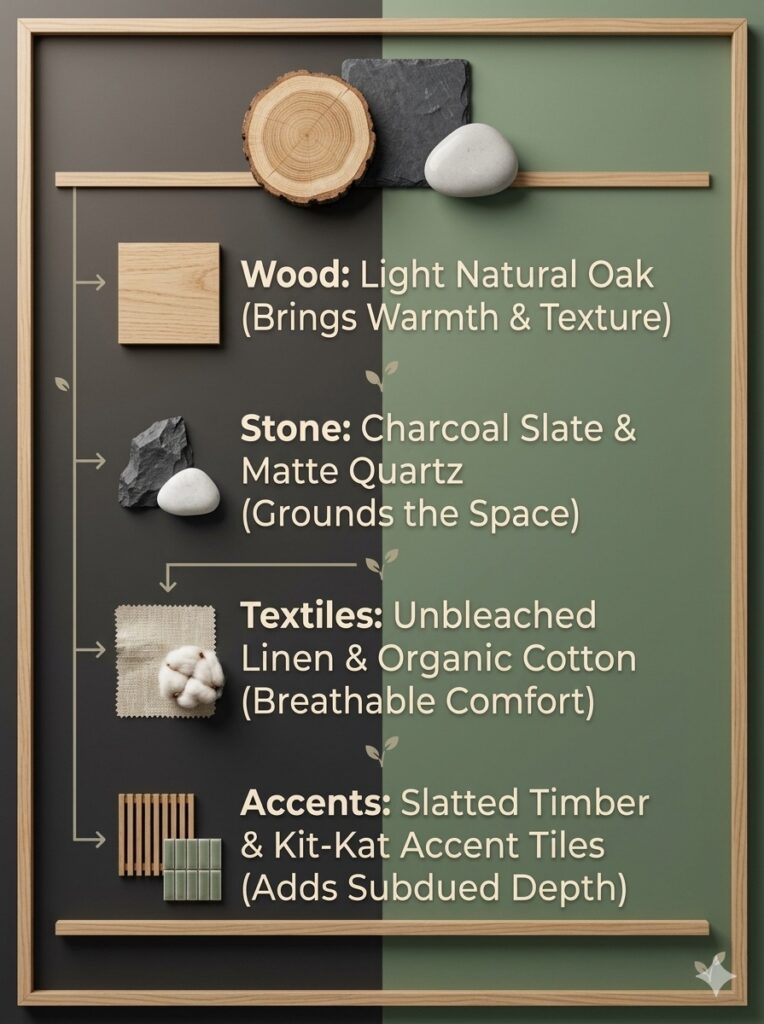
Material selection is another defining characteristic of Japandi interiors—wood, stone, matte ceramics, and woven fibers dominate the palette.
In the Philippine climate, durability is key. High humidity and sunlight mean materials need to be chosen with care. In local homes, this often translates to pairing treated hardwoods or reclaimed timber with stone, concrete, and woven accents like rattan or solihiya.
The appeal here isn’t just aesthetic; it’s low-maintenance longevity. Choosing well-made, natural materials means opting for pieces that wear gracefully over time rather than items that need constant replacing.
3. Intentionality Over Clutter
Perhaps the most practical aspect of Japandi for modern homeowners is its focus on restraint.
Built-in storage seamlessly hidden within the architecture eliminates visual noise, while clean-lined furniture keeps sightlines open. Whether in a high-rise condo in BGC or a house and lot in Laguna, an uncluttered layout makes a property feel larger, brighter, and easier to keep clean—giving you a home that feels like a quiet reset at the end of the day.
READ: Five Tips to Create a Stylish Minimalist Home
4. Strengthening the Connection Between Home and Landscape
One of the strongest characteristics of Japandi design is the relationship it creates between interior spaces and the outdoors.
Large windows, sliding glass doors, covered terraces, and carefully framed views can make landscaping an extension of the interior design.
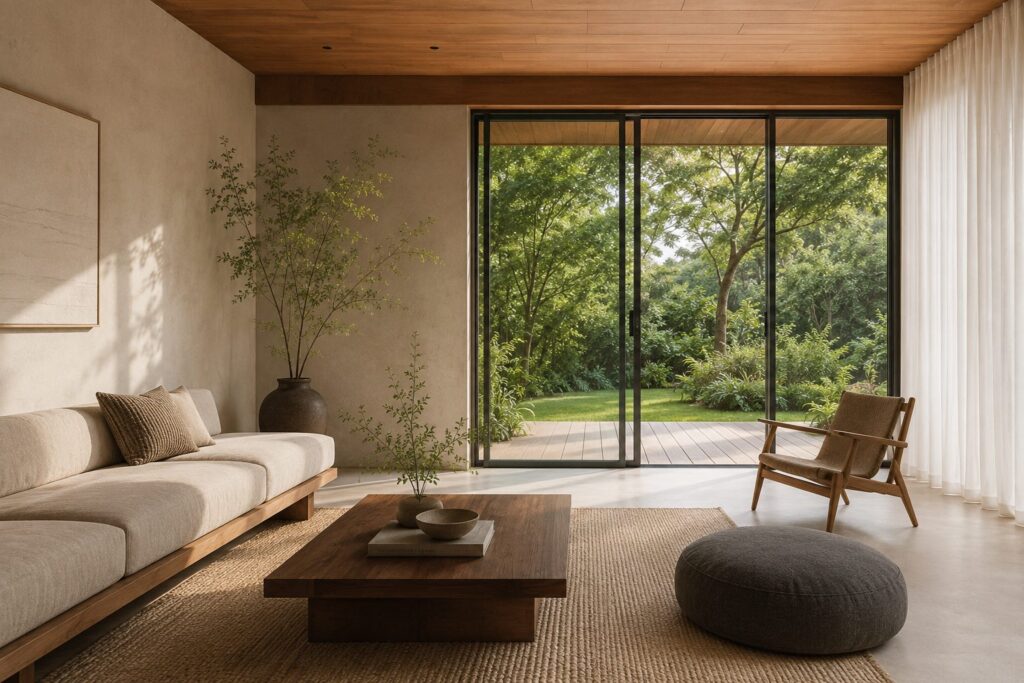
This is particularly relevant to properties in master-planned communities and developments with larger lots, landscaped surroundings, or dedicated green spaces.
In these settings, the garden is not simply an exterior feature. It can become part of the home’s everyday experience.
A living room overlooking mature landscaping can feel significantly different from one facing a blank wall. A dining area opening onto a covered terrace can provide additional usable space. A bedroom with a view of greenery can introduce natural variation into an otherwise restrained interior.
Landscaping can also contribute to the property’s environmental performance. Trees and other vegetation can provide shade, reduce heat around exterior surfaces, and make outdoor areas more comfortable.
5. A Restrained Palette That Lets the Architecture Lead
Japandi interiors generally favor warm neutrals, natural wood, muted greens, soft grays, and understated darker accents.
The palette is intentionally limited, but that does not mean the interiors have to feel monotonous.
With fewer competing colors and patterns, greater attention can be given to texture, proportions, natural light, and architectural details. A timber kitchen, stone surface, textured tile, or concrete wall can become a focal point without additional decorative elements.
This approach is particularly effective in homes with good natural light and views of landscaped surroundings.
As sunlight changes throughout the day, natural materials and textures also change in appearance. The result is an interior that gains visual interest from the environment rather than relying entirely on decorative objects.
READ: Advantages of Owning and Living in a Light-Filled Home
Japandi-Inspired Homes in Eco-cities
The Japandi design philosophy provides an ideal backdrop for eco-living communities across the Philippines. Master-planned developments typically feature extensive open spaces and lush landscaping, and estates like Nuvali in Laguna offer a natural setting for homeowners seeking a stronger connection between architecture and nature.
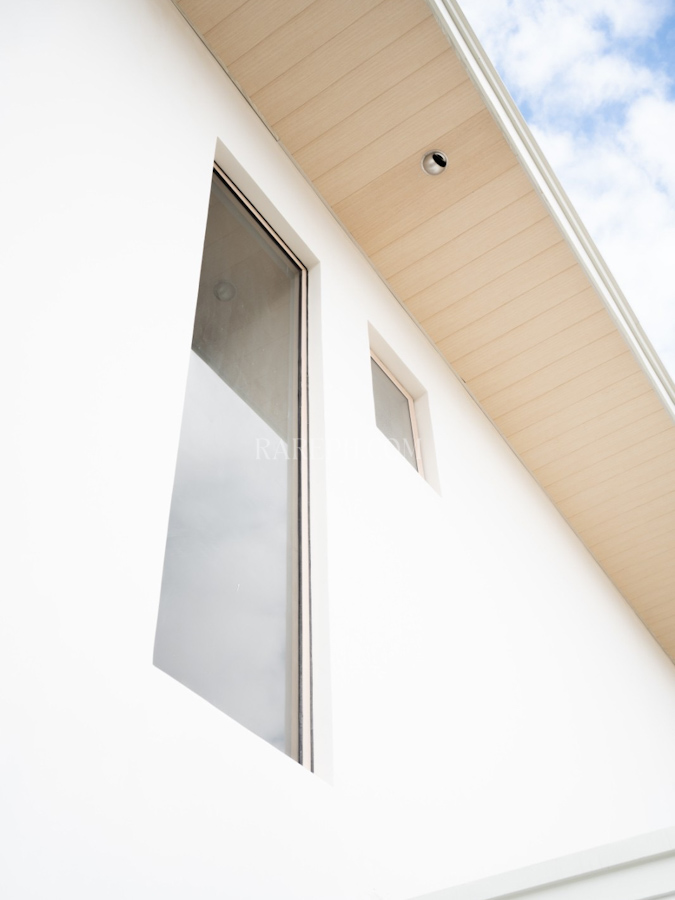
This two-storey residence in Treveia Nuvali, for example, demonstrates how these principles can be applied practically without turning the property into a literal interpretation of Japanese or Scandinavian interiors.
The home’s open layout is complemented by natural light and views of the surrounding landscape.
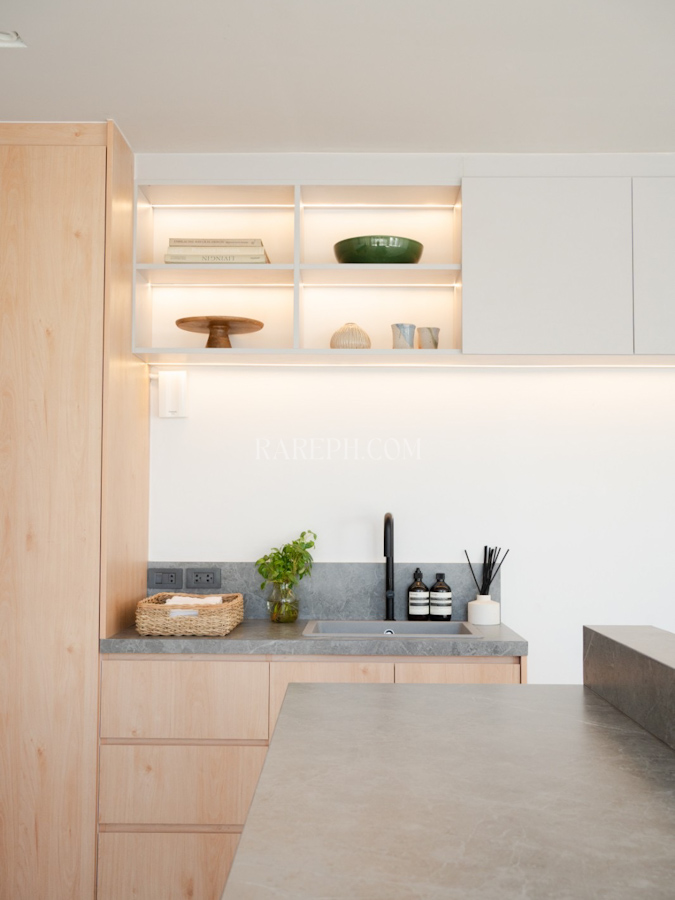
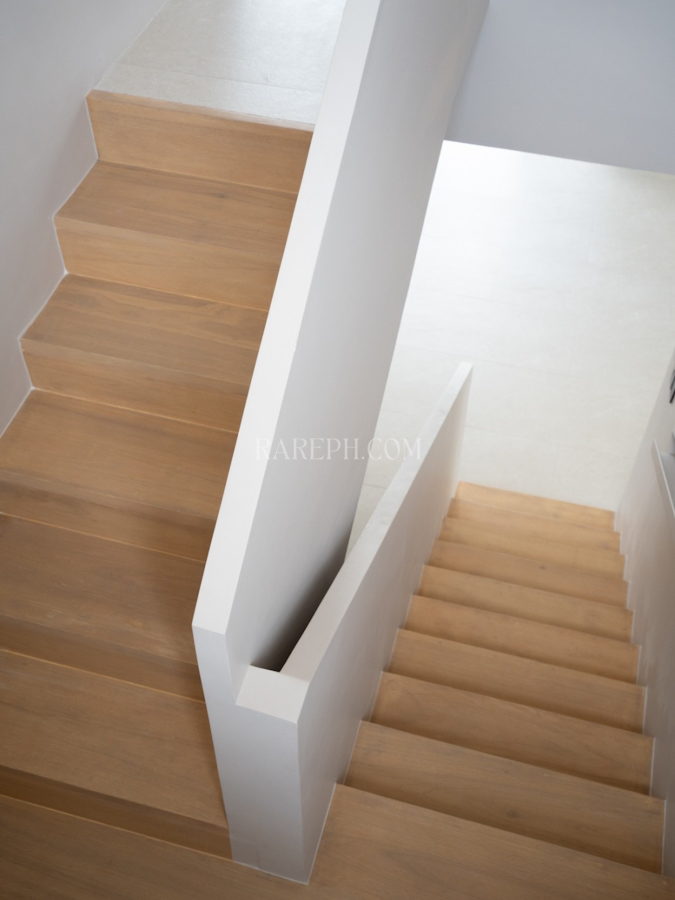
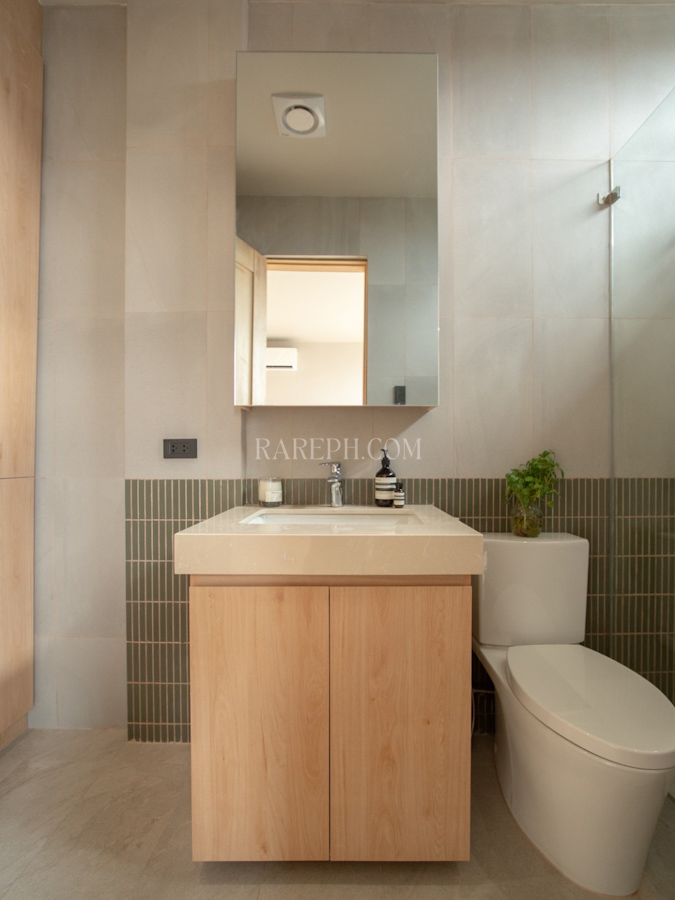
The kitchen uses custom handle-less cabinetry, providing warmth while maintaining the clean lines associated with contemporary Japandi interiors. In the primary bathroom, tiles introduce texture while keeping the material palette relatively restrained.
The overall design relies less on decorative elements and more on the relationship between space, materials, light, and landscape.
This is an important distinction when considering Japandi for a Philippine home. The objective is not to reproduce a particular look from an international design magazine. It is to take the principles that make the style appealing and adapt them to the property’s location, climate, architecture, and the way its residents will actually use the space.
Creating a Calm Sanctuary
Good design usually comes down to how a home feels when you live in it. By prioritizing natural light, airflow, and clean space, Japandi principles help create homes that feel bright, comfortable, and easy to maintain, whether that is a city condo or an estate in the South. It’s a practical way of looking at modern residential luxury, and one we see working exceptionally well across contemporary Filipino homes today.
Looking to build or buy your own minimalist sanctuary? Explore our featured suburban listings in Silang and Nuvali that offer the perfect natural canvas for Japandi style.