Electricity costs in the Philippines rank among the highest in Southeast Asia. For condo residents running air conditioning through most of the year, monthly bills can easily reach ₱5,000 to ₱10,000 or more, depending on unit size and usage patterns.
Most of that cost is unavoidable if you want to stay comfortable in Manila’s climate. But there are specific adjustments that make a measurable difference without requiring major lifestyle changes or significant upfront investment.
These aren’t generic energy-saving tips. They’re adjustments that work specifically in the context of Metro Manila condos, where climate, building design, and typical appliance configurations create particular opportunities for reducing consumption.
#1: Optimize Your Air Conditioning Temperature
Air conditioning accounts for the majority of electricity consumption in most Manila condos. The difference between running your AC at 20°C versus 24°C is substantial, both in energy use and cost.
Every degree warmer you set your thermostat reduces energy consumption by approximately 3-5%. Setting your AC to 24-25°C instead of 20-22°C can lower your cooling costs by 5-15% over a month.
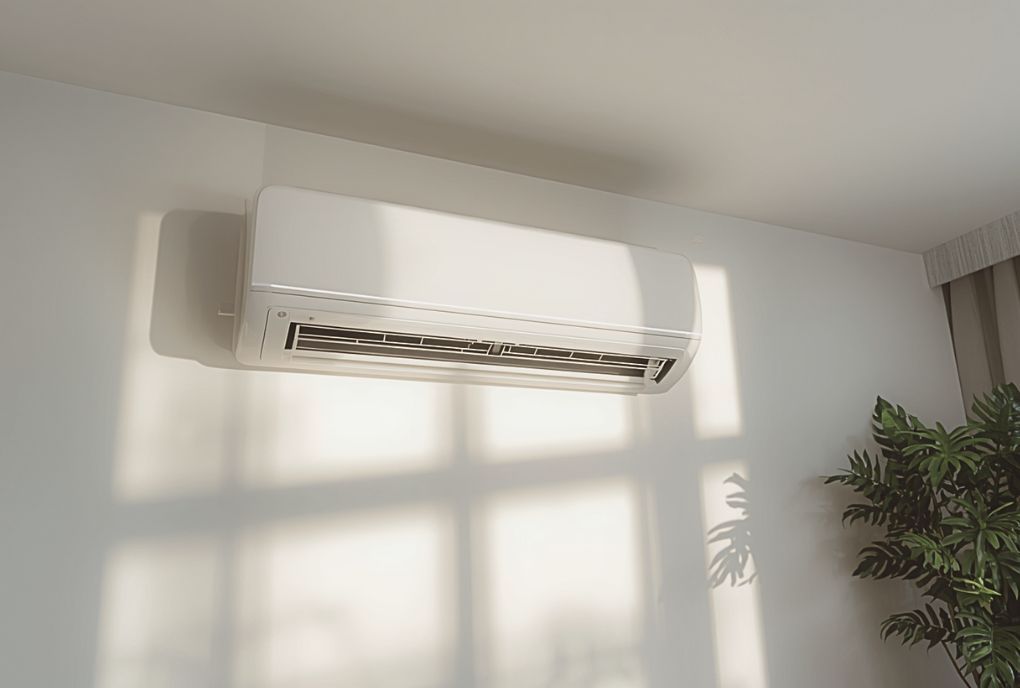
The catch is that 24°C doesn’t feel dramatically different from 22°C when you first make the change, but your body adjusts within a few days. If you’re consistently comfortable at 22°C, try 23°C for a week. Most people don’t notice the difference once they’ve acclimated, but the electricity meter certainly does.
Ceiling fans or portable air circulators help significantly here. Moving air feels cooler than still air at the same temperature, which means a circulator running alongside your AC at 25°C can feel similar to AC alone at 23°C. The fan uses a fraction of the electricity the AC does, making this a cost-effective combination.
Clean your filters monthly. Dirty air conditioning filters force the unit to work harder to push air through, increasing energy consumption by 5-15% depending on how clogged they are. Most split-type AC units have washable filters accessible by lifting the front panel. Remove them, rinse with water, let dry completely, then reinstall. The process takes about 10 minutes and the energy savings justify the minor effort.
One additional detail: make sure your AC’s timer function is actually working. Some units have timer settings that don’t activate properly, which means you think you’re running the AC for 6 hours overnight when it’s actually running continuously.
#2: Address Air Leakage Around Windows and Doors
Most Manila condos have sealed windows that don’t open, which theoretically means no air leakage. In practice, older buildings or units with settling often develop small gaps around window frames or door seals.
Even a small gap allows warm outside air to seep in continuously, forcing your AC to work harder to maintain temperature. This is particularly noticeable in units with floor-to-ceiling windows or sliding glass doors to balconies.
Check for air leakage by holding a lit candle or lighter near window and door edges while the AC is running. If the flame flickers, you have air movement. Weatherstripping tape is inexpensive and addresses most minor gaps effectively.
For sliding balcony doors, the gap at the bottom is often the biggest culprit. A door sweep or threshold seal strip reduces this significantly. These are available at most hardware stores and require no tools to install, just peel-and-stick adhesive.
In units where air leakage is more significant, particularly around older aluminum window frames, considering having the building maintenance team inspect and reseal. This is typically covered under building maintenance if it’s a structural issue rather than normal wear.
RELATED: 7 Ways You’re Leaving Money on the Table with Your Condo Investment
#3: Switch to LED Bulbs Throughout
This one is straightforward but often overlooked because the upfront cost feels unnecessary when traditional bulbs still work.
An LED bulb uses approximately 75-80% less electricity than an incandescent bulb and lasts 15-25 times longer. For a condo with 15-20 light fixtures, replacing all incandescent or CFL bulbs with LEDs typically costs ₱2,000-3,000 but pays for itself within 6-8 months through reduced electricity costs.
The savings multiply if you tend to leave lights on in common areas like living rooms or kitchens for extended periods. A 60-watt incandescent bulb left on for 8 hours daily costs roughly ₱35-40 per month in electricity. The equivalent LED (8-10 watts) costs about ₱7-8 per month.
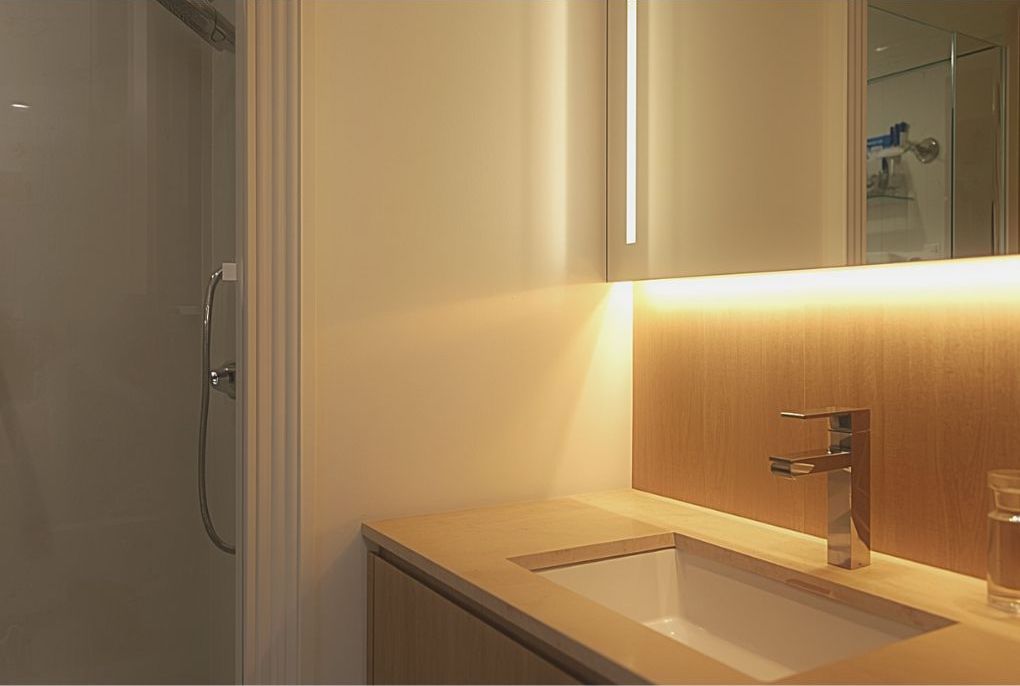
When buying LED bulbs, pay attention to color temperature. “Warm white” (2700-3000K) creates the same ambiance as traditional bulbs. “Cool white” or “daylight” (4000-5000K) feels harsher and more clinical, which works fine for task lighting but feels uncomfortable in living spaces.
Many condos come with recessed ceiling lights or track lighting where bulb replacement isn’t immediately obvious. Building maintenance can usually help identify the correct bulb type if you’re unsure.
#4: Unplug Devices That Draw Standby Power
Most electronics consume electricity even when turned off, as long as they remain plugged in. This “standby power” or “phantom load” is small per device but adds up across multiple items.
Common culprits include phone chargers left plugged in without phones attached, coffee makers, microwave ovens (the digital clock uses power continuously), desktop computers, printers, TV boxes, and entertainment systems.
Individually, these might draw 2-10 watts each in standby mode. Collectively across a household, standby power can account for 5-10% of total electricity consumption, or ₱300-500 monthly for a typical condo.
The solution doesn’t require unplugging everything daily. Power strips with switches allow you to cut power to multiple devices at once. Use one for your entertainment center, another for your home office setup. Switch them off when not in use.
For items you use daily like coffee makers, the minor inconvenience of unplugging might not be worth it. But for equipment used occasionally, printers or gaming consoles for example, unplugging or switching off the power strip makes sense.
One notable exception: refrigerators. These need to stay plugged in continuously. Unplugging them to save standby power would cost far more in spoiled food than you’d save in electricity.
#5: Install Reflective Window Film or Thermal Curtains
Windows are where most heat enters a condo, particularly units with floor-to-ceiling glass or those facing west. The sun doesn’t just create glare. It transfers significant heat directly through the glass, forcing your air conditioning to work harder throughout the day.
Reflective window film blocks a substantial portion of heat before it enters your space while still allowing natural light through. Quality films can reduce heat gain by 50-70%, which translates to measurably lower AC usage during peak sun hours.
Installation is straightforward enough for DIY if you’re careful about avoiding bubbles, or building maintenance teams often know reliable installers. The film isn’t cheap upfront, typically ₱200-400 per square meter installed, but for units with significant sun exposure, the reduction in electricity costs becomes noticeable within a few months.
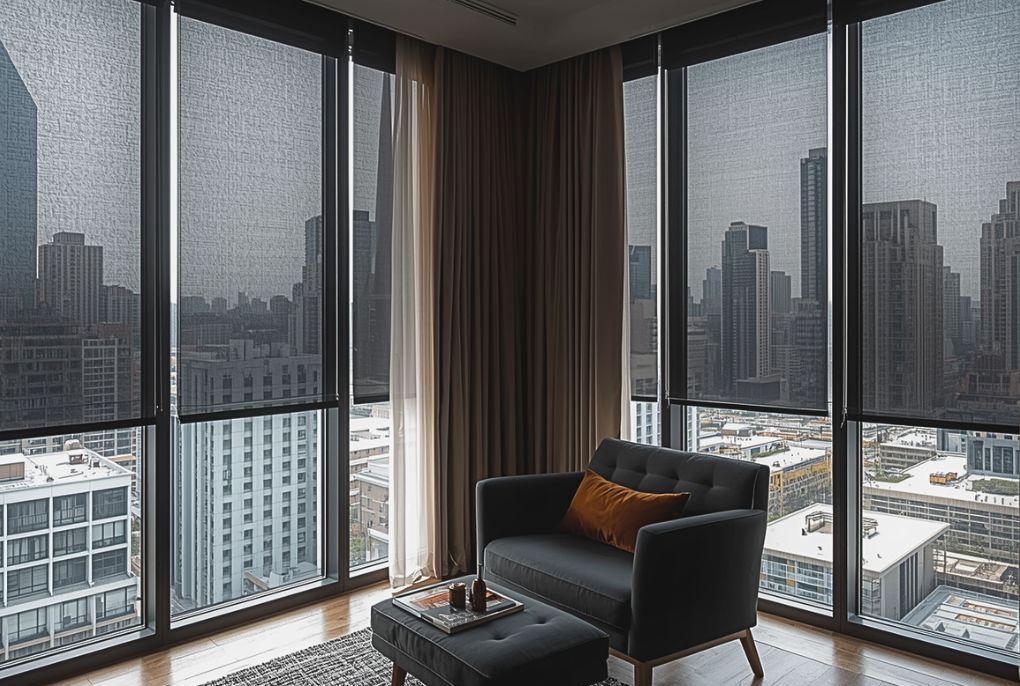
Thermal or blackout curtains provide another layer of defense. Unlike decorative curtains, thermal curtains have backing designed specifically to block heat transfer. Keep them closed during the hottest part of the day, particularly on windows receiving direct sunlight, and the temperature difference in that room becomes immediately apparent.
The combination of window film and thermal curtains works especially well for west-facing units that get intense afternoon sun. The film handles the bulk of heat rejection, and the curtains provide additional insulation plus the ability to block light entirely when needed.
READ: Advantages of Owning and Living in a Light-Filled Home
For renters, curtains are the simpler option since they don’t require landlord permission or permanent modification. For owners or long-term tenants, window film makes sense as a longer-term investment that continues reducing costs year after year.
Planning to buy or rent a condo in Metro Manila? At RARE Properties, we help clients throughout BGC, Makati, and surrounding areas. For questions or to request more information on properties, feel free to reach out.