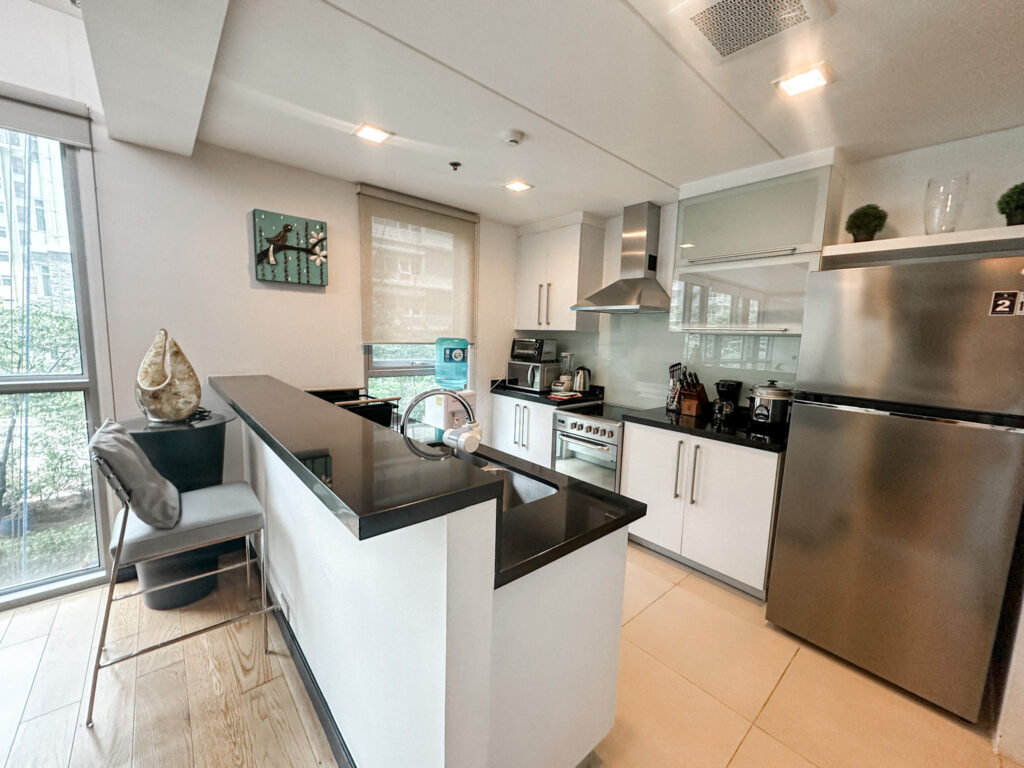
Owning a home is one of those milestones that feels incredible…until the first time something breaks and you realize there’s no landlord to call. You’re it now.
The freedom to design your space exactly how you want comes with the reality of handling everything that keeps it running. And if you own a property for a minute or you’re just about to, here’s what actually helps when you’re navigating those times.
1. Start with a maintenance fund
Set aside at least 3-5% of your property’s value every year for repairs and upkeep and don’t touch it for anything else. Things break without warning: roofs leak during the first heavy rain, water heaters give out, aircon units stop cooling in the middle of summer. If you don’t have cash ready, you’re stuck choosing between fixing the problem or covering other bills.
2. Find out where your main shut-offs are before something goes wrong
Walk through with the previous owner or your contractor and have them point out shut-offs for water, gas, and your circuit breaker. Label everything if it’s not already marked. You don’t want to be searching for the water shut-off while a pipe is flooding your bathroom at midnight.
3. Get to know your HOA rules early, even the ones that seem minor
Some villages won’t let you paint your gate a certain color. Others have noise restrictions, landscaping requirements, or rules about what you can and can’t do with your exterior. Read through everything before you start planning renovations. Finding out after you’ve already spent money is frustrating and expensive.
4. Build a roster of trusted contractors
Electrician, plumber, aircon technician, pest control; keep their contact info handy. Ask neighbors, your realtor, or your HOA for recommendations. Test them out with smaller jobs first before handing over anything major. Once you find people who show up on time and do good work, hold onto them.
5. Schedule preventive maintenance instead of waiting for things to fail
Clean your aircon filters every month. Have the units serviced quarterly. Check gutters before rainy season. Flush your water heater annually. If you’re on a septic system, get it pumped every few years. All of this is cheaper than replacing things that fail because you ignored them.
6. Invest in a good dehumidifier if you’re in a humid area
Mold and mildew love the Philippine climate, and once they settle in, they can ruin furniture, clothes, walls, everything. A decent dehumidifier pays for itself by keeping your things intact, especially in closets, storage areas, and rooms without good airflow.
7. Weatherproof before the storms hit, not after
Check window seals, door sweeps, and any cracks in exterior walls before rainy season starts. Water finds a way in, and once it does, the damage adds up fast. A little caulk and weatherstripping now can save you from dealing with leaks, stains, and repairs later.
8. Don’t ignore small leaks
That tiny drip under the sink? It’s not going away on its own. Leaks don’t fix themselves, and ignoring them leads to water damage, mold, and structural issues. Catching it early means a quick repair that’s cheap and manageable instead of a full renovation.
9. Learn how to troubleshoot basic issues yourself
You don’t need to become a handyman, but knowing how to reset a tripped breaker, unclog a drain, or patch a small wall crack saves you time and money on service calls. There are plenty of things you can handle yourself with a quick search and the right tools, thus, stock up on basic tools and supplies. Screwdrivers, pliers, hammer, tape measure, flashlight, duct tape, extra bulbs. You don’t need a full workshop, just enough to handle minor fixes without running to the hardware store every time.
10. Keep all warranties, manuals, and receipts in one place
Appliances, fixtures, anything that came with paperwork. You’ll need them when something stops working and you’re trying to figure out if it’s still under warranty or if you need to call someone. A labeled folder or digital file works; just make it easy to find.
11. Test your smoke detectors Twice a year
Set a recurring reminder. Replace batteries when needed. It’s one of those things people forget until it’s too late. Same goes for carbon monoxide detectors if you have gas appliances.
12. Hire professionals for electrical and plumbing work
YouTube tutorials are great for painting techniques, not for rewiring outlets or rerouting pipes. Some things are worth paying a professional for, especially when mistakes can flood your house or start a fire.
13. Landscape with intention, not just aesthetics
Choose plants that fit the climate and don’t require constant maintenance. Overwatering or poor drainage can damage your foundation over time. If you’re not into gardening, design something low-maintenance from the start. Native plants, mulch, and proper grading make a difference.
14. Understand your property tax and billing cycles
Mark them on your calendar so you don’t miss deadlines. Late payments mean penalties, and in some cases, liens on your property. Set up reminders or auto-pay if possible. It’s one less thing to worry about.
15. Insure properly, and review your coverage annually
Standard homeowner’s insurance might not cover floods, earthquakes, or certain types of damage. Read your policy. Ask questions. Make sure you’re actually protected for the risks that matter in your area. Coverage that made sense when you bought might not be enough after renovations or if property values shift.
16. Keep renovation receipts and permits, even for small projects
If you ever sell or lease out, having documentation like receipts, permits, and before-and-after photos of upgrades and improvements adds value and proves everything was done legally. It also helps if there’s ever a dispute with contractors or if you need to file an insurance claim.
17. Be strategic about upgrades
Not every renovation adds value. Even if you’re planning to stay, think resale. A chef’s kitchen might matter to you, but if the neighborhood doesn’t support that price point, you won’t get the money back. Focus on what improves livability and holds value: updated bathrooms, functional kitchens, good lighting, solid flooring.
18. Befriend your neighbors
Or at least be on good terms with them. They’ll notice things when you’re away. They know the area’s quirks. And when you need a contractor recommendation or help with something urgent, it’s good to have people nearby you can actually trust.
19. Set up a maintenance schedule and stick to it
Monthly tasks, quarterly checks, annual deep cleans. Aircon servicing, gutter cleaning, grout resealing, pest inspections. It sounds tedious, but spreading it out makes it manageable instead of overwhelming. You can set reminders on your phone or use a simple spreadsheet.
20. Let the House breathe during extended trips
Unplug electronics before leaving to prevent power surges and reduce phantom energy draw. Also, open windows for airflow (with security grilles locked) to keep air circulating and prevent that closed-up, musty smell when you return. Just make sure rain won’t get in.
21. Pay attention to your home’s patterns
Which areas puddle when it rains? Do certain doors stick in humid weather? Is one room always hotter than the rest? Knowing these quirks helps you troubleshoot and prevents bigger issues down the line.
22. Show up to HOA meetings occasionally
Even if you’re not interested in politics, decisions get made whether you’re there or not. Rule changes, fee increases, community projects. Being informed gives you a voice when something actually affects your property or lifestyle.
23. Design spaces with flexibility in mind
Needs change faster than floor plans. Home offices become nurseries. Guest rooms turn into storage. Avoid built-ins or layouts that lock you into one use. Adaptable spaces save you from costly renovations down the line.
24. Don’t build structures or make major changes without proper permits.
That extra room, the extended carport, the covered patio? If it’s not permitted, it becomes a problem when you sell or if the HOA does an audit. Get the paperwork done upfront. Tearing down unpermitted work costs more than doing it right the first time.
25. Store items you don’t use regularly
Keep spaces functional by stowing away seasonal decor, extra luggage, old files, sentimental items. If they’re not part of your daily routine, get them out of high-traffic areas. Closets, the attic, labeled storage bins. Clear spaces make your home easier to live in and clean.
26. Install security cameras at entry points and blind spots
Put them in places around your property: front gate, back door, side yards. Choose systems you can access remotely so you can check in when you’re away. Either cloud storage or local recording works, just make sure footage is actually saved somewhere useful.
27. Consider smart locks and automation
For a true lock-and-go setup, use smart locks, automated lighting, remote-controlled gates. If you travel often or have unpredictable schedules, being able to control access and monitor your home from your phone eliminates anxiety.
28. Be mindful of what you share about your property online
House numbers, street signs, or specific village details in photos can make it easy for strangers to pinpoint your exact location. You don’t have to scrub every post; just avoid accidentally giving away identifying markers that make your home too easy to find.
29. Plan at least six months ahead if you’re thinking of selling.
Even in strong markets, finding the right buyer takes time. Pricing strategy, staging, timing – all of it matters. Don’t expect a quick turnaround just because demand is high.
30. Track local developments and infrastructure projects
New malls, road expansions, upcoming townships can affect property values. Stay informed about what’s happening in your area. Property values aren’t guaranteed to rise just because you bought. External factors play a bigger role than most people realize.
Planning to sell your property? List with RARE PH by contacting us here.