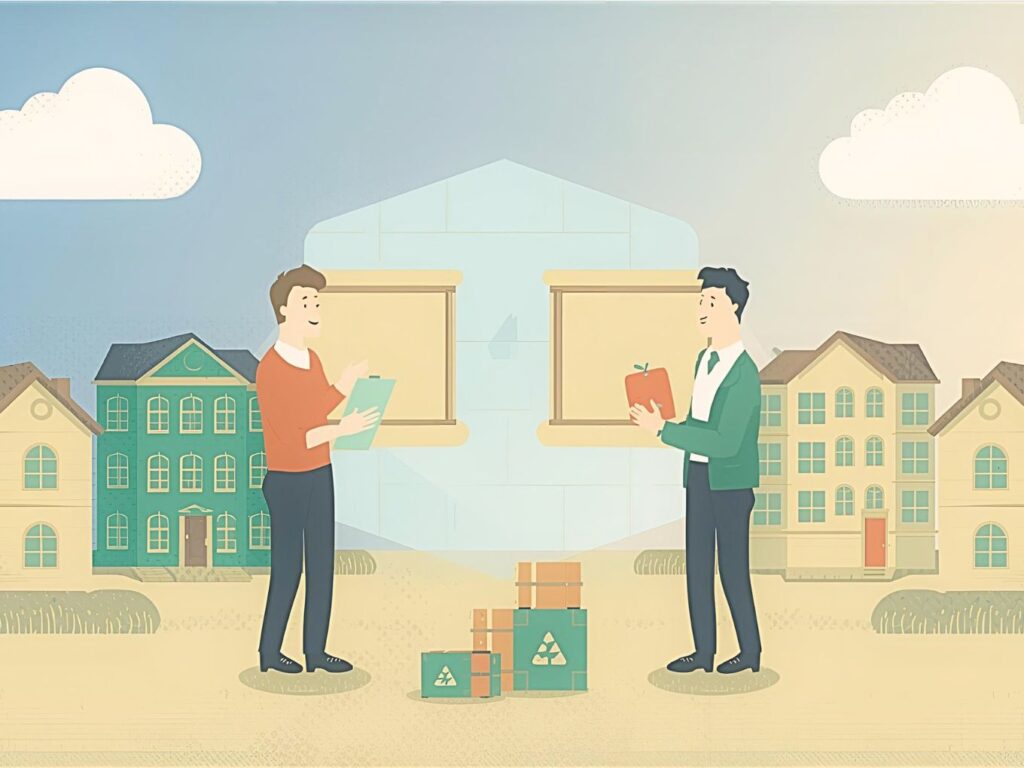
There is a version of the renting-versus-owning debate that goes something like this: renting gives you flexibility, while buying gives you equity. If you have enough money to buy, buying must be the better long-term decision.
It sounds sensible. It is also incomplete.
A home isn’t just a financial asset, and rent isn’t simply money that disappears every month. You’re paying for something different in each arrangement. Rent buys you the right to use a home without taking on the responsibilities of ownership. Buying gives you control over a property, but also asks you to commit capital, take on maintenance and accept that changing your mind later may be considerably more complicated.
That’s why comparing a monthly rent payment with a monthly mortgage payment doesn’t tell you very much on its own.
A ₱100,000 monthly rent and a ₱100,000 monthly mortgage are not equivalent choices. The mortgage may be building equity, but the purchase may also have required millions of pesos upfront. The rental may leave that capital available for other investments or simply give you the freedom to move when your circumstances change. On the other hand, someone who has already found the neighborhood they want, expects to stay for years and wants a home they can genuinely make their own may be giving up something by continuing to rent.

So which is better?
The honest answer is: better for what?
That is the comparison worth making.
If your priority is flexibility, we’ll give renting the edge. If it’s stability and control over your home, ownership wins. If you’re trying to keep your capital liquid, renting has an advantage. If you’re looking to build equity in the home you’re actually living in, ownership has the stronger case.
And sometimes the winner changes depending on the question.
This is why we prefer to compare renting and owning by what each one does best, rather than declaring one universally superior.
Because the real question isn’t simply:
“Should I rent or buy?”
It’s:
“What do I want my home to do for me, and which arrangement does that better?”
Here’s how we’d look at it.
Renting vs. Owning: Flexibility
🏆 Winner: Renting
If you aren’t sure where you’ll be in two or three years, renting gives you an advantage that buying can’t easily match: the ability to change your mind.
A new job can take you to another city. A relationship can change where you want to live. You might discover that the neighborhood you loved during weekend viewings doesn’t work so well once you’re commuting through it every morning.
With a rental, moving is generally a matter of working through the lease and finding the next place.
Buying is a different undertaking. Selling a property involves transaction costs, documentation, marketing, negotiations and, most importantly, another party who has to want to buy it.
That doesn’t make owning a home inflexible. It simply makes the cost of changing your mind much higher.
If you value the freedom to change neighborhoods, cities or even countries without having to dispose of an asset first, renting wins this round.
Renting vs. Buying: Control Over How You Live
🏆 Winner: Buying
There’s a difference between living in a property and having the freedom to shape it.
Renting usually means working within someone else’s property and the terms of a lease. Painting, renovations, fixtures, pets and other changes may require permission or be restricted altogether.
Once you own the property, you have considerably more room to make it your own, subject to condominium, subdivision and other applicable rules.
READ: Should You Stop Living Out of a Suitcase and Buy a Place Instead?
You can design the kitchen properly. Set up a home office instead of improvising one. Renovate when it makes sense. Buy furniture because it works for your home rather than because you know you’ll eventually have to move it somewhere else.
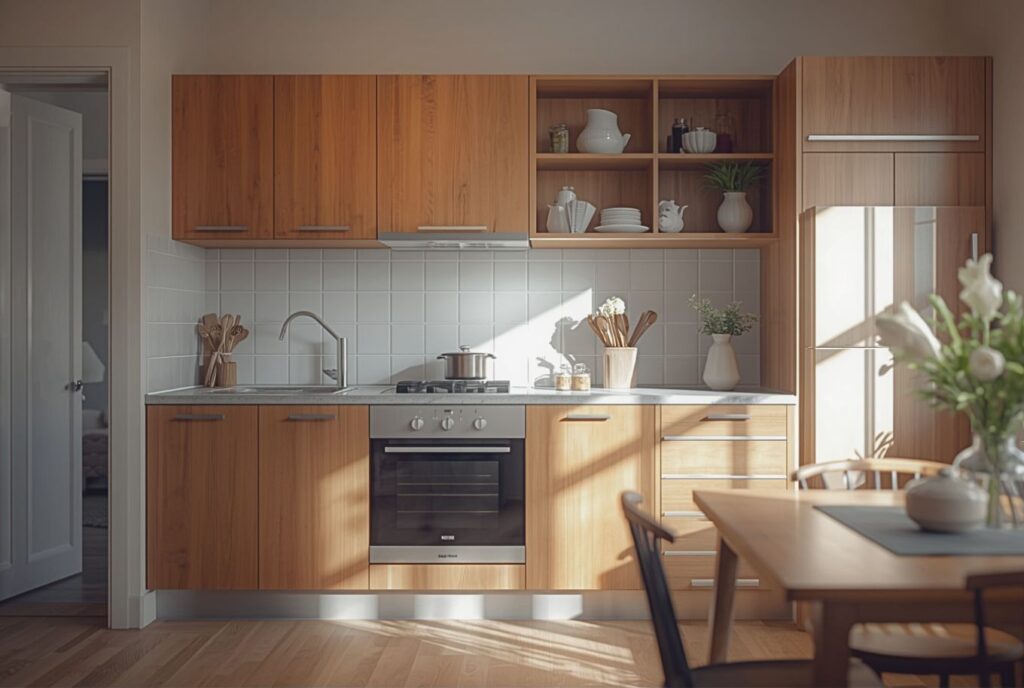
The longer you expect to stay, the more valuable that control can become.
If your home is something you want to shape around your life rather than simply occupy, buying wins.
Renting vs. Buying: Financial Commitment
🏆 Winner: It Depends on the Numbers
This is where the comparison deserves more than a rent-versus-mortgage calculation.
Buying a property can require substantial capital upfront: a down payment, taxes, registration fees, professional fees, financing costs and other transaction expenses. Once that money is committed to the property, it is no longer available for another investment, a business, or simply as cash on hand.
Renting leaves more of that capital available.
But rent is also an expense. You are paying for the use of the property without acquiring an ownership interest in it.
Buying, meanwhile, can allow you to build equity over time. If the property appreciates, you may also benefit from capital growth. But appreciation is never something a buyer should assume simply because a property is expensive or because the market has performed well in the past.
The actual comparison depends on the purchase price, financing, rent, holding period, transaction costs, maintenance and what your capital could otherwise be doing.
So this is one area where I wouldn’t manufacture a winner.
Run the numbers.
Renting vs. Buying: Family Security
🏆 Winner: Buying
For many people, the decision eventually becomes bigger than the person paying the monthly bill.
A rented home can give a family a comfortable place to live, but the property itself remains someone else’s asset.
When you buy, the home becomes part of your family’s financial foundation.

It can be the place where your children grow up. It can remain available to family members later in life. It can be rented out if circumstances change, sold when another financial need arises, or eventually form part of what you leave behind.
That doesn’t mean every family should buy simply because they have the money to do so. Property still has to be well chosen, sensibly priced and able to be maintained.
READ: Property Due Diligence: What Buyers Should Check Before Buying
But if part of your reason for buying is to create something your family can continue to benefit from, ownership has an advantage that renting simply doesn’t provide.
Buying wins.
Renting vs. Buying: Maintenance
🏆 Winner: Renting
A rental shifts much of the day-to-day responsibility for the property away from you. Depending on the lease, the landlord or property manager may handle repairs, servicing and maintenance that would otherwise become your responsibility as the owner.
Once you own, the property needs to be maintained whether or not it’s convenient.
For a condominium, that may mean repairs inside the unit, appliance replacement, air-conditioning servicing and other upkeep, while the building administration handles common areas and shared facilities.
For a house, the list can be considerably longer: roofing, plumbing, electrical systems, landscaping, pest control, exterior work and security.
None of this is necessarily a reason not to buy. Some people would rather have control over the property and accept the responsibility that comes with it.
But if you’re comparing the two specifically on how much work and ongoing responsibility the home asks of you, renting has the advantage.
Renting wins.
READ: 5 Things Every Smart Renter Checks Before Signing a Condo Lease
Renting vs. Buying: Knowing Where to Live
🏆 Winner: Renting – If You’re Not Sure Yet
A property viewing tells you what the property looks like.
Living there tells you what the neighborhood is actually like.
You learn how long the commute takes on a weekday. Whether the road outside becomes impossible at 6pm. Where you buy groceries. Whether you actually use the nearby restaurants and amenities. Whether the noise that seemed charming on a Sunday afternoon becomes annoying when you’re trying to sleep on a Tuesday.

This matters particularly when you’re moving to a new city or considering an area you don’t know well.
READ: Things No One Tells You Before Moving to Manila
Renting for a year can sometimes be the most useful property research you can do.
You’re not wasting money while you decide.
You’re buying yourself time to find out whether you actually want to buy there.
Renting vs. Buying: Investment Potential
🏆 Winner: Buying
If we’re specifically talking about investment potential, buying has the obvious advantage: you own the asset.
A renter doesn’t participate in the appreciation of the property they’re occupying. A buyer potentially benefits from capital appreciation and, where applicable, rental income.
But this is where buyers need to be discerning.
A property isn’t a good investment simply because it is expensive. A new development isn’t automatically a good investment because it has impressive amenities. And a beautiful unit isn’t necessarily easy to resell.
On the flipside, a property that’s cheap on paper may not realize the gains you were hoping because of poor maintenance, undesirable location and simply no demand – things you didn’t see during the viewing because you were laser-focused on paying less.
ALSO READ: A Guide to Buying Property in the Philippines for Foreigners
Location, supply, demand, rental potential, pricing, building quality and the eventual resale market all matter.
So yes, buying wins on investment potential—but only if the underlying property is worth buying.
That distinction matters.
So, Which Is Better?
Renting wins when flexibility, liquidity and convenience matter most.
Buying wins when control, family security and the ability to build an asset matter more.
The important thing is not to let the internet’s favorite argument make the decision for you.
Renting isn’t throwing money away. Buying isn’t automatically a good investment.
The better choice is the one that wins on the things that matter most to you.
If you’re weighing the two and want to understand what the market actually offers at your budget, RARE Properties can help you compare the options. Let’s talk about what you’re considering.